
Are you tired of dealing with hard water problems like spots on your dishes, dry skin, or clogged pipes? Your Whirlpool water softener can fix these issues, but only if you set the hardness level correctly.
Getting the hardness setting right means your system works efficiently, saves you money, and keeps your water feeling smooth and clean. You’ll discover exactly how to find and adjust your Whirlpool water softener hardness setting so your home benefits from soft, pure water every day.
Keep reading to unlock the secret to better water and a happier home.

Credit: www.youtube.com
Whirlpool Water Softener Basics
Understanding the basics of the Whirlpool water softener helps you use it well. This device changes hard water into soft water by removing minerals like calcium and magnesium. These minerals cause water hardness, which can harm pipes and appliances. The Whirlpool water softener is easy to set and maintain. It works quietly and saves energy over time.
Knowing how it works and the benefits of soft water helps you choose the right hardness setting. This ensures cleaner water for your home and protects your plumbing system.
How Water Softeners Work
The Whirlpool water softener uses a process called ion exchange. Hard water passes through a tank filled with resin beads. These beads attract calcium and magnesium ions. They replace these ions with sodium or potassium ions. This change removes hardness from the water. The soft water then flows to your taps and appliances. Over time, the resin beads need cleaning. The softener regenerates by flushing the beads with a salt solution. This restores the beads’ ability to remove hardness.
Benefits Of Softened Water
Softened water prevents scale buildup in pipes and appliances. This extends their life and saves money on repairs. It also makes soap and detergent work better. You need less soap for cleaning your dishes, clothes, and skin. Soft water leaves your skin feeling smooth and your hair soft. It stops water spots on dishes and glass surfaces. Softened water improves water flow and reduces energy use in heaters. Overall, it creates a cleaner, healthier home environment.

Credit: www.youtube.com
Measuring Water Hardness
Measuring water hardness is essential for setting your Whirlpool water softener correctly. Hard water contains minerals like calcium and magnesium. These minerals cause scale buildup and affect soap efficiency. Knowing the hardness level helps adjust the softener for the best results.
Common Hardness Units
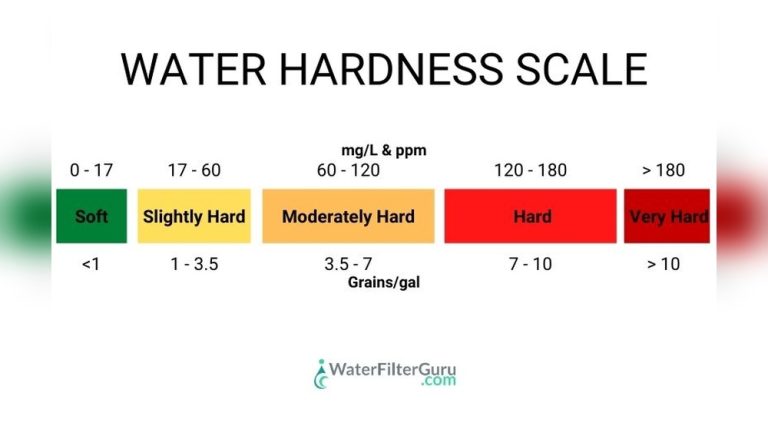
Water hardness is measured in different units worldwide. The most common units are grains per gallon (gpg), parts per million (ppm), and milligrams per liter (mg/L). One grain per gallon equals 17.1 ppm or mg/L. Understanding these units helps you read water test results clearly.
Testing Your Water Hardness
Testing your water hardness is simple and affordable. You can use test strips, which change color based on mineral levels. Digital testers provide precise readings but cost more. You may also send water samples to a lab for detailed analysis. Regular testing ensures your softener works efficiently.
Setting Hardness On Whirlpool Softener
Setting the hardness level on your Whirlpool water softener ensures the system works correctly. Hardness refers to the minerals in your water, like calcium and magnesium. Adjusting this setting helps the softener remove these minerals efficiently. Proper adjustment protects your pipes and appliances from damage caused by hard water.
Locating The Hardness Setting
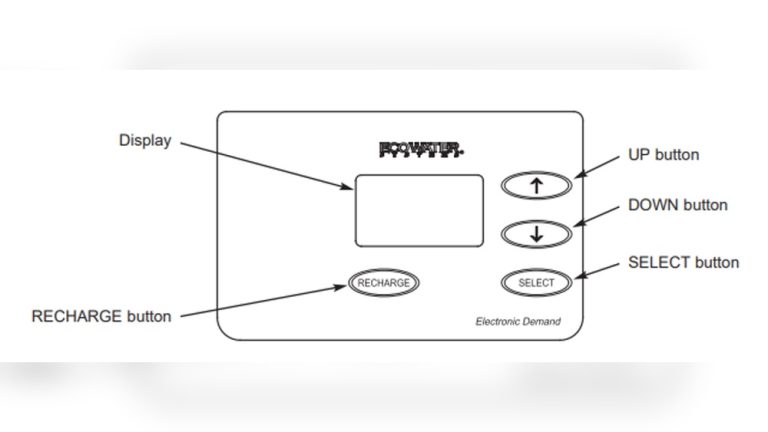
The hardness setting is found on the control panel of the softener. Open the front cover to access the controls. Look for a dial, buttons, or a small screen labeled “hardness” or “grains.” Some models have a simple knob, while others use digital controls. Check your user manual if unsure.
Adjusting The Control Panel
Use the control panel to change the hardness level. Start by testing your water hardness with a test strip or kit. Match the test result with the hardness level on the panel. Turn the dial or press buttons to set the correct value. Make small adjustments and save the settings. The softener will now treat your water properly.
Choosing The Right Hardness Level
Choosing the right hardness level for your Whirlpool water softener is important. This setting controls how much hardness the system removes from your water. Setting it correctly keeps your water soft and protects your appliances.
Water hardness varies by location. Knowing your water’s hardness helps you set the softener properly. The right setting saves salt and water while improving performance.
Factors To Consider
First, test your water’s hardness. Use a test kit or check your local water report. Hardness is measured in grains per gallon (gpg).
Consider your water use and household size. Larger families use more water and may need a higher setting.
Think about your appliances. Some need softer water to avoid damage from minerals. Softening water protects pipes, heaters, and dishwashers.
Impact Of Incorrect Settings
Too low a setting leaves minerals in the water. This causes scale build-up in pipes and appliances. It also reduces soap effectiveness and leaves spots on dishes.
Too high a setting wastes salt and water. It can also make water feel too soft or slippery. Over-softening may cause corrosion in pipes.
Correct settings balance water softness and resource use. This keeps your home water healthy and your system efficient.
Troubleshooting Hardness Settings
Troubleshooting the hardness settings on your Whirlpool water softener helps keep your water quality high. Incorrect settings can cause hard water problems or waste salt and water. Understanding common issues and how to fix them saves time and money.
Common Issues And Fixes
One common problem is incorrect hardness level entry. Double-check your local water hardness and set it correctly. Another issue is salt bridging. It happens when salt forms a hard crust in the tank. Break the crust gently to fix this.
Salt mushing can also block the system. It creates a thick layer of salt sludge. Remove it by emptying and cleaning the brine tank. If your softener does not regenerate, check the timer and settings. Resetting the control panel can help.
When To Call Support
Call Whirlpool support if problems persist after basic fixes. Technical issues like valve malfunctions or electronic errors need expert help. If your water hardness remains high despite correct settings, professional inspection is wise. Support can guide you through advanced troubleshooting or arrange repairs.
Credit: whirlpoolwatersolutions.zendesk.com
Maintaining Your Whirlpool Softener
Maintaining your Whirlpool water softener is key to keeping it working well. Regular care helps avoid problems and extends the life of the unit. Clean parts and fresh salt make sure the softener removes hardness effectively. Follow simple steps to keep the system running smoothly every day.
Regular Cleaning Tips
Clean the brine tank twice a year to prevent salt buildup. Use a soft cloth and mild soap to wipe inside the tank. Rinse thoroughly to remove soap residue. Check the venturi valve for clogs and clean it carefully. Clear any debris to keep water flowing freely through the system.
Replacing Salt And Resin
Refill the salt tank with high-quality salt regularly. Use salt pellets designed for water softeners to avoid clogs. Check salt levels every month and add more as needed. Replace the resin beads every 3 to 5 years. Fresh resin improves softening and keeps water smooth and clean.
Frequently Asked Questions
What Is The Ideal Hardness Setting For Whirlpool Softeners?
The ideal hardness setting matches your water’s grain hardness level. Check your local water report or use a test kit to find exact hardness. Set this number on your Whirlpool softener for efficient performance and longer system life.
How Do I Measure Water Hardness For Whirlpool Softener?
You can measure water hardness using test strips or kits available online. Collect a water sample and follow kit instructions. Alternatively, check your municipality’s water quality report for accurate hardness levels.
Can Incorrect Hardness Settings Damage My Whirlpool Softener?
Yes, incorrect settings can cause over-salting or insufficient softening. This reduces efficiency and may shorten the softener’s lifespan. Always set the hardness level accurately to protect your unit and ensure soft water.
How Often Should I Adjust The Hardness Setting?
Adjust hardness settings only if your water source changes. Typically, settings remain stable unless you move or switch water supply. Regularly testing water hardness helps maintain optimal softener performance.
Conclusion
Setting the right hardness level on your Whirlpool water softener protects your home’s plumbing. It helps reduce scale buildup and improves water quality. Adjust settings based on your local water hardness for best results. Regular checks keep the softener working well.
Clean and maintain the unit to extend its life. Soft water feels better and saves money on repairs. Simple steps make a big difference in water care. Take control of your water hardness today.