
Are you tired of constantly checking your water softener to see if the salt level is low? What if there was a simple way to keep your system running smoothly without the guesswork?
A water softener salt level sensor can do just that giving you peace of mind and saving you time. You’ll discover how this smart device works, why it’s a must-have for your home, and how it can protect your appliances and plumbing.
Keep reading to find out how to make your water softening system smarter and hassle-free.
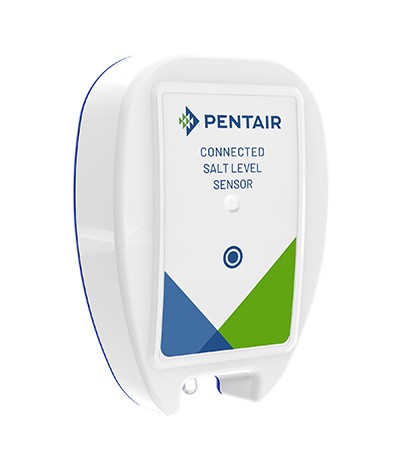
Credit: www.pentair.com
Salt Level Sensor Basics
Water softeners use salt to remove minerals from hard water. Keeping the right salt level is important for the softener to work well. Salt level sensors help you know when to add more salt. They make managing your water softener easier and more efficient.
How Salt Sensors Work
Salt sensors measure the salt level inside the softener tank. They use different methods to detect salt. Some sensors check the salt’s weight or pressure. Others use electrical signals to sense salt presence. These sensors send alerts if salt runs low.
Types Of Salt Level Sensors
There are several types of salt sensors. Float sensors rise and fall with the salt level. Optical sensors use light to detect salt presence. Ultrasonic sensors send sound waves to measure salt depth. Each type fits different water softener models.
Benefits Of Using Sensors
Sensors save time by reducing manual salt checks. They prevent salt from running out unnoticed. This helps keep water soft and protects appliances. Sensors also reduce salt waste and save money. They make softener maintenance simple and reliable.

Credit: www.amazon.com
Choosing The Right Sensor
Choosing the right water softener salt level sensor is important for smooth operation. A good sensor helps keep your system efficient. It stops salt from running out or overfilling. Several key points help pick the best sensor for your needs.
Compatibility With Water Softeners
Check if the sensor fits your water softener model. Some sensors work only with certain brands or sizes. A compatible sensor connects easily and works without errors. It avoids damage to your system. Always match the sensor to your softener’s specifications.
Sensor Accuracy And Reliability
Choose a sensor that detects salt levels precisely. Accurate sensors prevent salt shortages or overuse. Reliable sensors last longer and need less maintenance. Look for sensors tested in real conditions. Good accuracy keeps your water softener running well.
Cost And Installation Factors
Compare sensor prices and installation needs. Some sensors cost more but save money over time. Consider if you can install the sensor yourself or need a professional. Easy installation saves time and extra fees. Balance cost with quality and ease of use.
Installation Tips
Installing a water softener salt level sensor helps you monitor salt levels easily. Proper installation ensures accurate readings and smooth operation. Follow these tips to set up your sensor correctly.
Preparing The Brine Tank
Start by cleaning the brine tank. Remove old salt and debris. Make sure the tank is dry before placing the sensor. Check for cracks or damage in the tank walls. A clean, dry tank helps the sensor work well.
Step-by-step Installation Guide
Place the sensor inside the brine tank at the right height. Usually, it should sit just above the salt bed. Connect the sensor wires to the control unit. Follow the manufacturer’s instructions carefully. Test the sensor after installation to ensure it reads salt levels properly.
Common Installation Mistakes
Do not place the sensor too low or too high in the tank. Avoid touching the sensor with salt chunks. Do not ignore the wiring instructions. Avoid installing the sensor near water leaks. These mistakes cause wrong readings and sensor damage.
Credit: aquahomesupply.com
Maintaining Salt Sensors
Maintaining water softener salt level sensors is key to keeping your system working well. Sensors tell the softener when to add salt. Dirty or broken sensors can cause salt problems. Simple care and checks keep sensors accurate and save you money.
Regular Cleaning Procedures
Clean the salt sensor every month to avoid salt buildup. Use a soft cloth or sponge with warm water. Avoid harsh chemicals that can damage the sensor. Dry the sensor gently after cleaning. This helps sensors give correct readings. Clean sensors last longer and work better.
Troubleshooting Sensor Issues
Check the sensor if salt levels seem wrong. Look for salt crust or dirt on the sensor. Make sure wires are connected properly. Test the sensor with a multimeter if you can.
Reset the softener system to see if this fixes the issue. If problems continue, the sensor may be faulty.
When To Replace Sensors
Replace the sensor if cleaning and troubleshooting fail. Sensors wear out after years of use. Signs include inconsistent salt readings or no response. Use the manufacturer’s guide to find the right replacement. Installing a new sensor ensures your softener runs smoothly.
Optimizing Salt Usage
Optimizing salt usage in water softeners helps maintain efficiency and saves money. Proper salt management prevents waste and ensures the system works well. Using the right tools and methods keeps salt levels balanced and avoids common issues.
Monitoring Salt Levels Efficiently
Salt level sensors track the amount of salt inside the softener tank. These sensors send alerts when salt is low. This avoids running out of salt and stops the system from working poorly. Regular checks with sensors help keep salt at the perfect level.
Preventing Salt Bridges And Mushing
Salt bridges form when salt hardens and blocks the tank. This stops salt from dissolving correctly. Salt mushing happens when salt turns into a thick sludge. Sensors detect changes that signal these problems early. Fixing these issues quickly keeps salt flowing smoothly.
Using Sensors For Cost Savings
Sensors reduce salt waste by preventing overfilling. This means buying less salt over time. Efficient salt use lowers water softener maintenance costs. Sensors also save time by reducing manual checks. Overall, sensors help cut expenses and keep the system efficient.
Advanced Features And Technology
Water softener salt level sensors have evolved with smart technology. They now offer precise monitoring and easy management of salt levels. These advanced sensors reduce salt waste and prevent system failures. They help maintain soft water quality consistently. Users enjoy more control and less manual checking.
Smart Sensors And Connectivity
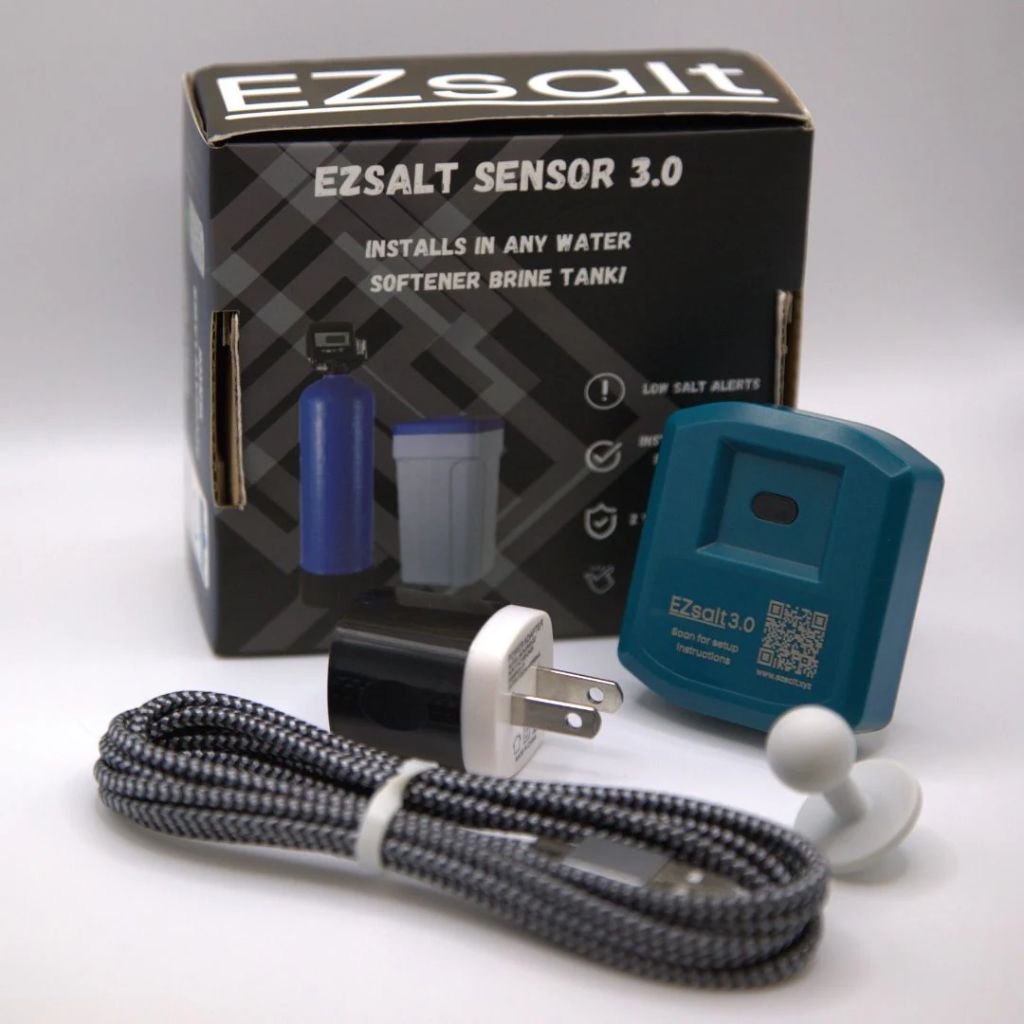
Modern salt level sensors use smart technology. They detect salt levels accurately and send real-time alerts. Many sensors connect to smartphones via Wi-Fi or Bluetooth. This lets users monitor salt levels from anywhere. Alerts notify when salt is low, avoiding downtime. The sensors also track salt usage trends for better planning.
Integration With Home Automation
Salt level sensors now work with home automation systems. They link with smart home hubs for centralized control. Users can add salt level monitoring to their smart home apps. This integration allows automatic reminders and system checks. It simplifies managing water softeners along with other devices. The result is a smarter, more efficient home.
Future Trends In Salt Level Monitoring
Future sensors will use AI to predict salt needs. They may adjust settings automatically for optimal performance. New sensors could combine salt monitoring with water quality data. Wireless, battery-free sensors are likely to emerge. These advances will make salt level tracking easier and more reliable. The goal is less maintenance and better water softening.
Frequently Asked Questions
What Is A Water Softener Salt Level Sensor?
A water softener salt level sensor detects the salt amount in the brine tank. It alerts users when salt is low, ensuring consistent water softening performance.
How Does A Salt Level Sensor Improve Water Softener Efficiency?
The sensor prevents salt depletion, maintaining optimal softening cycles. It ensures the system regenerates properly, extending appliance life and saving salt.
Can A Salt Level Sensor Prevent Water Softener Salt Bridging?
Yes, some sensors detect salt bridging by monitoring salt movement. Early alerts help users break the bridge and maintain proper salt levels.
Are Salt Level Sensors Easy To Install In Water Softeners?
Most sensors are simple to install with basic tools. Installation usually involves mounting the sensor and connecting it to the control unit.
Conclusion
Keeping your water softener salt level in check helps your system work well. A salt level sensor makes this task simple and hassle-free. It alerts you before salt runs low, saving time and effort. This small device protects your appliances and improves water quality.
Regular checks with a sensor mean fewer repairs and better results. Trust this tool to keep your water softener running smoothly every day. It’s a smart way to care for your home’s water needs.