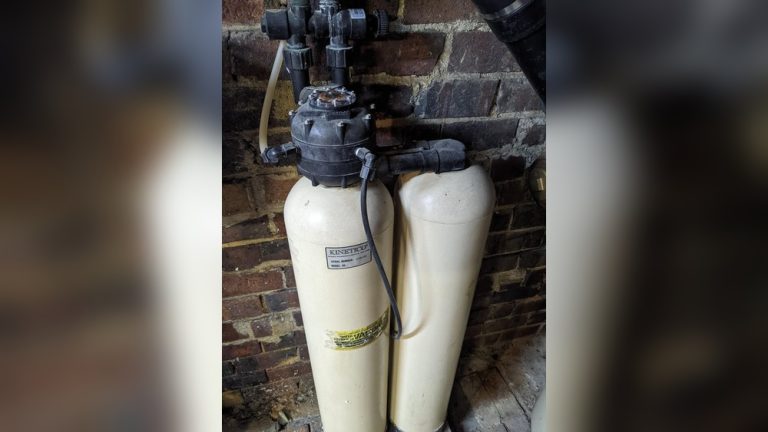

Are you noticing that your Kinetico water softener salt isn’t going down like it used to? It can be frustrating when your system seems stuck, leaving you wondering if something is wrong.
If your salt level stays high and the softener isn’t working properly, you’re not alone. Understanding why this happens and how to fix it can save you time, money, and hassle. Keep reading to discover simple, effective solutions that will get your Kinetico water softener back on track quickly.
Common Causes Of Salt Not Going Down
Salt not going down in your Kinetico water softener can cause problems. It stops the system from working right. Several common causes can block the salt from moving down. Knowing these can help you fix the issue quickly.
Salt Bridge Formation
A salt bridge is a hard crust that forms in the salt tank. It creates a gap between the salt and water. This stops the salt from dissolving properly. The system then cannot use the salt to soften water. Salt bridges happen when salt gets wet but does not dissolve.
Salt Mushing Issues
Salt mushing occurs when salt breaks down into a thick sludge. This sludge clogs the bottom of the tank. It blocks salt from mixing with water. The mushy salt layer stops the softener from regenerating. High humidity or cheap salt can cause salt mushing.
Clogged Brine Well
The brine well holds the salt water for the softener. Dirt or salt buildup can block the well. This stops the salt water from flowing into the system. A clogged brine well means no salt reaches the resin beads. Cleaning the well helps restore proper function.
Low Water Level Problems
The salt needs water to dissolve and work correctly. If the water level is too low, salt cannot dissolve. This issue may happen if the float valve is faulty. Low water stops the system from making the brine solution. Checking and fixing water levels is key to solving this.

Credit: colonyglamping.com
Identifying Salt Bridge Problems
Salt bridges in Kinetico water softeners block salt from going down properly. This causes the softener to stop working well. Salt forms a hard crust inside the brine tank. This crust prevents water from dissolving the salt. It stops the salt from mixing with water to make brine. Knowing how to identify and fix salt bridges saves time and hassle.
Signs Of A Salt Bridge
The salt level seems high but the softener still acts like it has no salt. You may hear unusual noises during the softening cycle. Salt looks solid and crusty on top, not loose and crumbly. Water usage may increase because the softener is not making enough brine. The brine tank may feel unusually light or dry inside. These signs show a salt bridge is likely blocking salt flow.
How To Break A Salt Bridge Safely
Turn off the water softener and unplug it from power. Use a broom handle or a similar tool to gently tap the salt crust. Do not use sharp or metal tools that may damage the tank. Press down softly until the salt breaks apart. Avoid pushing too hard to prevent cracking the tank. Remove loose salt and check if salt moves freely. Restart the softener to see if it works better.
Dealing With Salt Mushing
Dealing with salt mushing is a common problem in Kinetico water softeners. Salt mushing happens when salt breaks down and forms a thick layer at the bottom of the brine tank. This layer blocks salt from dissolving properly, causing salt not to go down. Understanding salt mushing helps keep your water softener working well.
What Is Salt Mushing?
Salt mushing is a buildup of soft, wet salt residue. It forms a dense, muddy layer inside the brine tank. This mush blocks water flow and stops salt from dissolving. The water softener cannot draw enough brine for regeneration. This causes poor water softening and salt not going down.
Preventing Salt Mushing
Use high-quality salt made for water softeners. Avoid salt with dirt or impurities. Keep the brine tank clean and dry. Do not let salt levels get too low. Stir the salt occasionally to break up clumps. Consider adding salt tablets or pellets to reduce mush. Regular maintenance helps prevent salt mushing problems.

Credit: kineticoutah.com
Cleaning And Maintaining The Brine Well
Cleaning and maintaining the brine well is key to keeping your Kinetico water softener working well. Salt may stop going down if the brine well is dirty or clogged. A clean brine well helps salt dissolve properly. This keeps the water softener running smoothly and prevents salt build-up issues.
Tools Needed For Cleaning
- Bucket
- Rubber gloves
- Old toothbrush or small scrub brush
- Soft cloth or sponge
- Warm water
- White vinegar or mild dish soap
- Towel for drying
Step-by-step Cleaning Guide
- Turn off the water softener and unplug it for safety.
- Remove the salt lid and scoop out any salt.
- Lift out the brine well carefully.
- Empty any water and salt residue inside the brine well.
- Mix warm water with vinegar or dish soap.
- Use the brush and cloth to scrub inside the brine well.
- Clean the brine well’s float and parts gently.
- Rinse all parts with clean water to remove soap.
- Dry the brine well and parts with a towel.
- Put the brine well back into the softener.
- Refill with salt and close the lid.
- Plug in and turn on the water softener.
Checking Water Levels And Inlet Valves
Checking water levels and inlet valves helps solve salt not going down issues. These parts control how salt mixes with water inside your Kinetico softener. Small problems here can stop salt from dissolving properly. Understanding this makes it easier to fix your system quickly.
How Water Levels Affect Salt Usage
Water levels inside the brine tank must be just right. Too much water stops salt from dissolving fully. Too little water means salt cannot mix well with the water. Both cases reduce the softener’s ability to clean hard water. Water level changes affect salt use and softener performance.
Check the water level after a regeneration cycle. It should cover some of the salt but not flood the tank. Proper water levels help salt dissolve and create the brine solution. This solution is needed to soften your water effectively.
Inspecting And Adjusting Valves
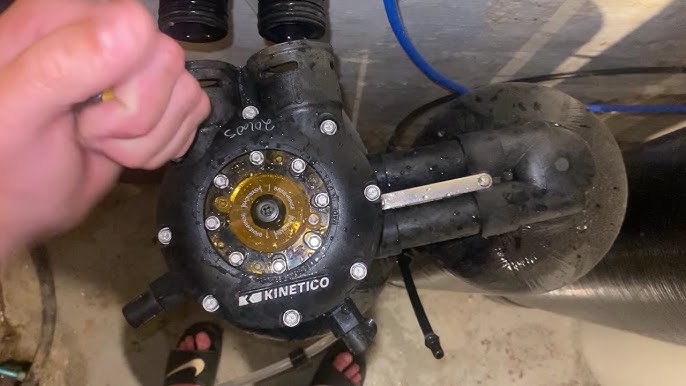
Inlet valves control water flow into the brine tank. Valves stuck open or closed cause salt problems. Stuck valves may allow too much or too little water in. This disrupts the salt dissolving process.
Inspect valves for dirt, damage, or wear. Clean or replace faulty valves to restore proper flow. Adjust valves carefully to match the softener’s design. Proper valve settings keep water and salt balanced in the tank.
Credit: www.youtube.com
Tips For Proper Salt Usage
Proper salt usage helps your Kinetico water softener work better. It stops salt from not going down and keeps the system clean. Follow these tips to keep your softener running smoothly.
Choosing The Right Salt Type
Use high-quality salt made for water softeners. Pellets or crystals work best. Avoid rock salt because it has more impurities. Impurities can cause clogs and slow salt use. Check your softener manual for recommended salt types.
Best Practices For Refilling Salt
Fill the salt tank only when the level is low. Avoid overfilling; leave some space at the top. Use a scoop or bucket to add salt carefully. Break up salt lumps before adding them. This helps salt dissolve and move down faster.
When To Call A Professional
Knowing when to call a professional for your Kinetico water softener salt issue saves time and prevents damage. Some problems need expert tools and skills. Do not try to fix these yourself. Professionals can find hidden issues fast. They ensure your system works smoothly again.
Signs You Need Expert Help
The salt does not go down even after cleaning. Salt bridges or clogs return quickly. Your water feels hard despite adding salt. The softener shows error codes or stops working. Strange noises come from the system. Water flow is weak or uneven. These signs mean the problem is bigger than simple fixes.
What To Expect From A Service Visit
The technician checks the salt tank and valves. They clean or replace parts if needed. Experts test water hardness before and after service. They explain the cause and fix clearly. The visit includes system calibration and testing. Professionals offer tips to avoid future problems. Service ensures your water softener runs well and lasts longer.
Frequently Asked Questions
Why Is Kinetico Water Softener Salt Not Going Down?
Salt may not dissolve due to salt bridges or clogs in the brine tank. Check and break any hardened salt crust. Also, inspect the injector for blockages that prevent salt from dissolving properly.
How To Fix Salt Not Going Down In Kinetico Softener?
First, break any salt bridges or mushing inside the tank. Clean the brine well and ensure the injector is clear. Regular maintenance prevents salt from clumping and improves salt flow.
Can Salt Quality Affect Kinetico Softener Performance?
Yes, low-quality or damp salt can cause clumping and salt bridges. Use high-purity, dry water softener salt to ensure proper dissolution and softener efficiency.
How Often Should I Clean Kinetico Brine Tank?
Clean the brine tank every 6 to 12 months to prevent salt buildup. Regular cleaning ensures salt dissolves well and maintains the softener’s performance.
Conclusion
Salt not going down in your Kinetico water softener can cause problems. Check for blockages or salt bridges in the tank. Clean the brine well and ensure the float valve works properly. Using the right type of salt helps avoid clogs.
Regular maintenance keeps your softener running smoothly. Small fixes can save you time and money. Keep your water softener in good shape for soft, clean water every day. Don’t ignore the signs—act early to prevent bigger issues.