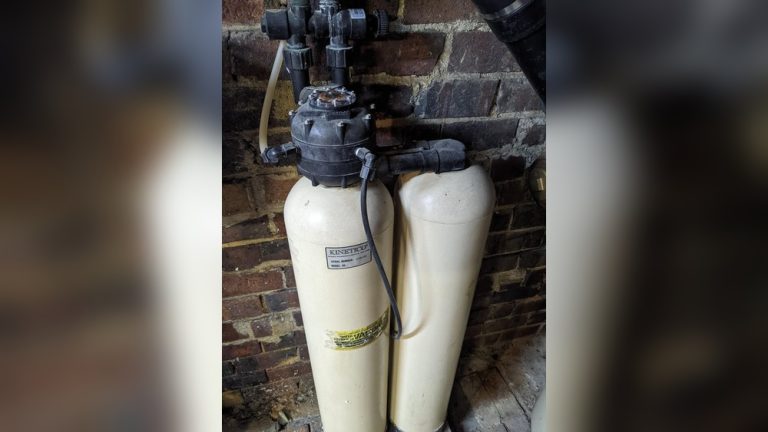

Is your water softener not using salt like it should? This can be frustrating because your softener depends on salt to work properly and keep your water smooth and clean.
If you’ve noticed your system isn’t using salt, it could mean your water isn’t getting softened, leading to hard water problems like stains, buildup, and dry skin. Don’t ignore this issue—understanding why your water softener isn’t using salt is the first step to fixing it quickly.
Keep reading to discover the common reasons behind this problem and how you can get your softener back on track.
Common Causes Of Salt Issues
Salt issues are common reasons why a water softener stops using salt properly. These problems can stop the softener from working well. Knowing the causes helps fix the issue faster. Salt problems often include hard crusts, mushy salt, low salt levels, and tank blockages.
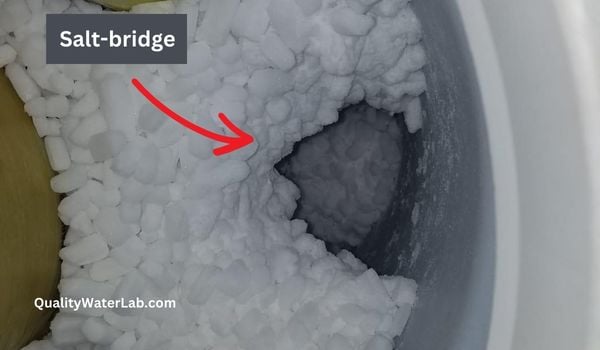
Salt Bridge Formation
A salt bridge is a hard crust that forms in the salt tank. This crust creates a gap between the water and salt. The softener cannot use the salt under the bridge. Salt bridges usually form from high humidity or using the wrong salt type. Breaking the crust helps the softener work again.
Salt Mushing Problems
Salt mushing happens when salt turns into a thick sludge. This sludge settles at the tank bottom and blocks water flow. The softener cannot draw salt from the mushy layer. Salt mushing occurs from poor salt quality or moisture. Removing the mush and cleaning the tank solves this problem.
Low Salt Levels
Low salt levels are a simple but common cause. The softener needs enough salt to work properly. When salt runs low, the softener cannot regenerate the resin beads. Checking salt levels regularly keeps the softener running well. Adding salt on time avoids this issue.
Salt Tank Blockages
Blockages in the salt tank stop salt from reaching the water. These blockages may come from debris or salt chunks. The softener cannot pull salt through blockages. Cleaning the tank and removing clumps clears the path. This allows the softener to use salt as needed.
Signs Your System Needs Attention
Water softeners need salt to work correctly. Salt helps the system remove hard minerals from your water. When your softener stops using salt, it may show signs that it needs care. Watch for these signs to keep your water soft and clean.
Softener Not Regenerating
Regeneration is the process where the softener cleans itself. If your system does not regenerate, it cannot remove hardness. This can happen if the timer is off or the control valve is stuck. Check if the softener cycles as usual. No cycles mean the system needs fixing.
Salt Disappearing Too Fast
Salt should last for weeks in your softener. If salt disappears quickly, it may leak or dissolve too fast. This can cause salt bridging, where salt forms a crust and stops working. Look inside the tank to see if salt clumps or runs out too soon.
Water Hardness Returns
Soft water feels smooth and cleans better. If water hardness returns, your softener may not be working well. Hard spots on dishes or soap scum in the shower are signs. Test your water hardness often to catch problems early.
Quick Fixes To Restore Salt Use
Salt is essential for water softeners to work properly. Sometimes, the salt stops being used. This can cause hard water issues again. Quick fixes can help bring salt use back. These steps are easy and can save you time.
Breaking Salt Bridges Safely
Salt bridges form when salt hardens into a crust. This stops salt from reaching the water. To break a salt bridge, use a broom handle or stick. Gently tap the salt crust to break it. Avoid using sharp tools that can damage the tank. After breaking the bridge, check for loose salt below.
Cleaning The Brine Tank
Dirty brine tanks block salt use and water flow. Turn off the water softener before cleaning. Remove all salt and water from the tank. Wash the tank with warm, soapy water. Rinse well to remove soap residue. Let the tank dry completely before refilling salt.
Refilling Salt Properly
Use the right type of salt for your softener. Add salt slowly to avoid air pockets. Keep salt level above the water level. Do not overfill the tank. Check salt levels every month to keep it ready. Proper refilling helps the softener work smoothly.
Removing Blockages
Blockages can stop salt from dissolving correctly. Check the brine line for clogs or kinks. Clear any debris or salt chunks from pipes. Use warm water to flush the system if needed. Clear pipes allow salt to dissolve and flow freely. This restores the softener’s salt use quickly.
Credit: qualitywaterlab.com
Preventing Future Salt Problems
Preventing salt problems in your water softener helps it work better and last longer. Small steps can stop salt from causing issues. Checking salt type, doing regular care, and watching salt levels matter most. These habits keep your softener running smoothly.
Using The Right Salt Type
Choose salt made for water softeners. Pellet or crystal salt works best. Avoid rock salt with many impurities. Pure salt dissolves well. It helps your softener clean water properly. Using the wrong salt can cause clogs and reduce efficiency.
Regular Maintenance Tips
Clean the salt tank every few months. Remove old salt and dirt buildup. Check for salt bridges or hard salt crusts. Break them gently with a stick. Inspect the resin tank for any damage. Maintenance keeps your system running without trouble.
Monitoring Salt Levels
Check salt levels regularly, at least once a month. Keep the salt above the water line in the tank. Low salt can stop the softener from working. Too much salt can cause overflow and waste. Balanced salt levels ensure steady softening performance.
When To Call A Professional
Knowing when to call a professional for your water softener saves time and prevents damage. Some problems need expert skills to fix. Trying to solve these yourself might make things worse. Professionals have tools and knowledge for proper repair. They ensure your system works well again.
Persistent Salt Issues
Salt problems that keep coming back need expert help. If your water softener stops using salt repeatedly, it means a deeper issue. A professional can check the salt tank, valves, and sensors carefully. They find hidden problems that are hard to spot. Fixing these stops salt from wasting and keeps your water soft.
Complex System Repairs
Some water softener parts are tricky to repair. Complex repairs involve the control head, resin tank, or electronics. These need special tools and training to handle. Calling a professional avoids wrong fixes that can cause more damage. Experts fix complex issues fast and safely. Your water softener will last longer and work better.

Credit: www.floridawatertechnologies.com

Credit: www.superterry.com
Frequently Asked Questions
Why Is My Water Softener Not Using Salt?
Your water softener may not use salt due to low salt levels, salt bridging, or control valve issues. Check the salt tank, break any salt bridges, and inspect the settings to ensure proper operation.
How To Fix Salt Bridging In A Water Softener?
To fix salt bridging, gently break the hardened salt layer using a broom handle or similar tool. Avoid using sharp objects. Prevent future bridging by keeping the salt level consistent and using high-quality salt.
Can A Clogged Injector Stop Salt Usage In Softeners?
Yes, a clogged injector can prevent salt from dissolving and being used. Clean the injector regularly to maintain water softener efficiency and ensure proper salt consumption.
What Happens If Water Softener Salt Is Low?
Low salt levels cause the softener to regenerate improperly, leading to hard water issues. Always keep the salt tank at least half full for optimal performance.
Conclusion
A water softener not using salt needs attention fast. Check the salt level and refill if empty. Clean the brine tank to remove any blockages. Inspect the settings to ensure proper operation. Small problems can stop salt use and soften water.
Regular care keeps your softener working well. Don’t ignore signs of trouble. Soft water means less damage to pipes and appliances. Fix issues early to save money and time. Keep your water softener in good shape for best results.