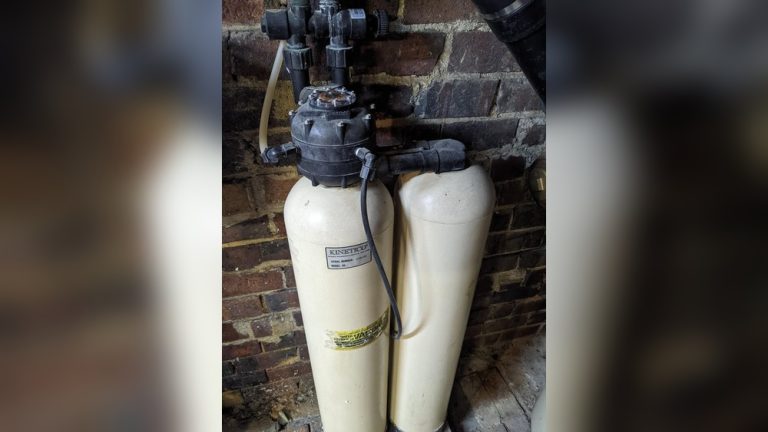

Have you ever wondered what happens to your water softener when the power goes out? If you rely on softened water daily, a blackout might leave you worried about hard water problems sneaking back in.
Understanding how your water softener works during a power outage can save you from unexpected issues and costly repairs. You’ll discover what really happens when your water softener runs—or doesn’t—without electricity, and how to keep your water soft no matter what.
Keep reading to protect your home and enjoy smooth, clean water even when the lights go out.
Why Power Matters For Water Softeners
Water softeners improve water quality by removing hard minerals. These systems often need power to work correctly. Power outages can stop softeners from running. Understanding why power matters helps you prepare for outages. It shows how softeners depend on electricity for key functions. Knowing this can prevent damage and maintain water quality.
How Water Softeners Use Electricity
Water softeners use electricity to control their processes. A small computer inside runs the system. It manages the timing of water softening cycles. Valves open and close using electric motors. The system also runs sensors to monitor water flow. Without power, these parts stop working. This means the softener cannot clean water properly.
Types Of Water Softeners And Power Needs
Some water softeners need constant power. These are called electronic or automatic softeners. They use electricity for regeneration and control. Other softeners, called manual or timer-based, need less power. They use electricity only for timers or alerts. Some models run without power at all. Knowing your softener type helps plan for outages.

Credit: www.myaquaotter.com
Effects Of Power Outage On Water Softeners
Power outages affect many home systems, including water softeners. These devices rely on electricity to work properly. Without power, the softening process can be interrupted. Understanding these effects helps homeowners manage water quality during outages.
What Happens When Power Goes Out
Water softeners stop working during a power cut. The control valve and timer lose power. This pause stops the softener from regenerating. The system may not treat water as usual. Water continues to flow but stays hard. No electricity means no control over the softening cycle.
Impact On Water Softening Process
The softening process requires power to remove hardness minerals. Without power, the resin beads cannot recharge. Minerals like calcium and magnesium build up in the water. Hard water can cause scale in pipes and appliances. The water softener will resume normal operation once power returns. Until then, water hardness remains unchanged.
Water Softener Operation Without Power
Water softeners usually need electricity to work properly. During power outages, their normal operation stops. This can affect your water quality and household routines. Understanding how your water softener works without power helps you stay prepared.
Manual Bypass Options
Many water softeners have a manual bypass valve. This valve lets water flow without going through the softener. You turn the valve to bypass the system during a power outage. This keeps water flowing but without softening. It is a simple way to keep water running in your home.
Gravity And Water Flow Considerations
Water softeners rely on water pressure and gravity. Without power, some parts may not work. Water still flows if gravity and pressure are enough. Check your system’s design to see if water flows without electricity. Sometimes, flow slows down or stops if power is out. Understanding this helps avoid surprises during outages.

Credit: www.reddit.com
Protecting Your Water Softener During Outages
Power outages can disrupt your home’s water softener. Protecting this device keeps your water clean and soft. Taking simple steps helps avoid damage and costly repairs. Staying prepared means your water softener works well after the power returns.
Backup Power Solutions
Backup power keeps your water softener running during outages. A small generator provides electricity for essential devices. Battery backup systems offer temporary power to the softener. Choose a solution that fits your home’s needs and budget. Test backup power regularly to ensure it works when needed.
Preventive Maintenance Tips
Regular maintenance reduces the risk of damage during power loss. Check the salt levels in the brine tank often. Clean the resin bed yearly to keep softening efficiency high. Inspect the control valve for leaks or clogs. Reset timers and controls after power returns to avoid errors.
Restarting Your Water Softener After Power Returns
Power outages can stop your water softener from working properly. Restarting it right after power returns is important. This helps your system run smoothly and keeps your water soft. Follow these simple steps to get your water softener back on track quickly.
Resetting Controls And Timers
First, check the control panel on your water softener. Power outages can reset the timer and settings. Press the reset button or follow the manual to set the correct time. This step is key to keeping the system on its proper cycle. Set the clock and timers as needed. This ensures the softener knows when to regenerate and clean itself.
Checking For System Errors
Look for any error codes or flashing lights on the display. These signals tell you if the system has a problem. Clear any errors by following the instructions in your user manual. If the error does not clear, the system may need professional help. Fixing these issues early prevents damage and keeps water softening working well.

Credit: www.mrrooter.com
Alternatives For Power-independent Water Softening
Power outages can interrupt water softening systems that need electricity. This can cause hard water problems to return. Some water softeners work without power. These options keep your water soft even during blackouts. They help maintain comfort and protect your pipes from damage.
Non-electric Water Softeners
Non-electric water softeners use natural processes to soften water. They do not rely on power or batteries. Some use special resins or mineral tanks that remove hardness. These systems need manual regeneration or simple controls. They are reliable during power cuts. Maintenance is easy and infrequent. You get soft water without worrying about electricity.
Portable And Battery-operated Models
Portable water softeners work well for travel or temporary use. Battery-operated models use small power sources to run controls. Batteries can last for several days or weeks. These models are compact and easy to move. They provide soft water during power outages. Ideal for RVs, cabins, or emergency kits. They keep water quality steady even without main power.
Frequently Asked Questions
Can A Water Softener Run During A Power Outage?
No, most water softeners require electricity to operate. During a power outage, they typically stop working until power returns.
What Happens To Water Softeners In Power Failures?
Water softeners pause their regeneration cycle during outages. This pause prevents salt or resin damage and resumes once power is restored.
How To Maintain A Water Softener During Outages?
Keep the system’s bypass valve ready for manual water softening. Avoid manual salt addition; wait for power to resume normal operation.
Will A Power Outage Damage My Water Softener?
Generally, no. Most modern water softeners are designed to handle outages without damage if power loss is brief.
Conclusion
A power outage can stop your water softener from working. This may cause hard water to flow through your pipes. You can still use water, but it might feel different. Some softeners have backup power options to keep running. Check your system’s manual to learn what to do.
Taking simple steps can protect your home’s water quality. Remember, staying prepared helps avoid water problems during outages. Keep your water softener in good shape for smooth water use.