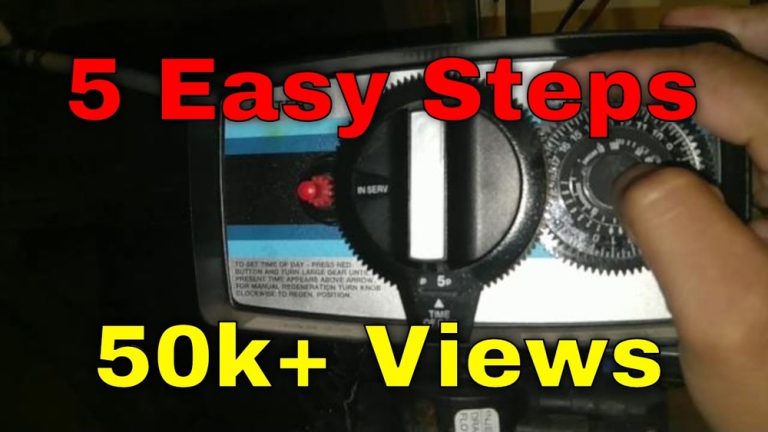

Have you ever noticed a strange error flashing on your water softener, something called a “Drain Code”? If you’re seeing this message, it’s more than just a minor annoyance—it’s a sign your system needs your attention.
Ignoring it could lead to bigger problems like poor water quality or costly repairs. You’ll discover exactly what the water softener drain code means, why it happens, and how you can fix it quickly. Keep reading to take control of your water softener and avoid surprises down the line.

Credit: www.sportyard.sa
Common Drain Codes
Water softeners often show drain codes to signal specific issues. These codes help users understand what needs fixing. Knowing common drain codes can save time and prevent damage. This section explains what these codes mean and how to identify them. Simple steps can help you manage your water softener better.
What Drain Codes Mean
Drain codes are short messages on the water softener display. Each code points to a problem with the drain system. For example, a code may indicate a blocked drain hose. Other codes warn about low water flow or sensor errors. Recognizing these codes helps fix issues quickly. This avoids long downtime and costly repairs.
Identifying Your Water Softener Code
Check the display panel for the code shown. Codes often use letters and numbers, like “E1” or “d2”. Write down the code exactly as it appears. Use your water softener’s manual to find what the code means. Manuals list all common codes and their solutions. If the manual is missing, search online with the model number and code. Identifying the code correctly guides the next steps.
Causes Of Drain Code Errors
Drain code errors on a water softener stop it from working properly. These errors appear when the system detects a problem in the drain area. Understanding the causes helps fix the issue fast. It also prevents damage to the softener and your home.
Several reasons cause drain code errors. These include blockages, installation mistakes, faulty parts, and water pressure troubles. Each cause affects the drainage process differently. Identifying the exact cause is key to a quick repair.
Clogged Drain Line
A clogged drain line stops water from flowing out. Dirt, debris, or minerals can build up inside the tube. This blockage triggers the drain code. Cleaning the drain line often clears the error. Check the line regularly to avoid future clogs.
Improper Drain Installation
Incorrect drain setup causes water to back up. The drain tube might be too high or kinked. Poor installation blocks smooth water flow. This issue leads to drain code errors. Always follow the manufacturer’s guide for drain placement.
Faulty Sensor Or Valve
Sensors and valves control the drain cycle. If these parts fail, the softener gets wrong signals. A faulty sensor may think the drain is blocked. Valve problems stop water from draining properly. Replacing broken parts fixes the error quickly.
Water Pressure Issues
Low or high water pressure affects drainage. Low pressure can slow down water flow. High pressure may cause leaks or sensor errors. Both extremes can trigger drain code alerts. Check your home’s water pressure to ensure it stays in range.
Step-by-step Troubleshooting
Troubleshooting a water softener drain code can be simple with clear steps. Follow each step carefully to find the issue. This helps avoid costly repairs or damage. Check parts and settings in order to spot problems fast.
Focus on the drain line, installation setup, sensors, valves, and water pressure. These parts often cause errors. Understanding each part’s role makes fixing easier. Let’s dive into the step-by-step guide for troubleshooting.
Checking The Drain Line
First, look at the drain line for blockages or kinks. Clear any dirt or debris stuck inside. Make sure the drain hose is not twisted or bent. A clogged or kinked line stops water flow. This can trigger the drain code error.
Check the drain line connection to the softener. It should be tight and secure. Loose connections can leak or cause error signals. Clean the drain line regularly for smooth operation.
Inspecting Installation Setup
Next, verify the water softener’s installation. Check if the drain hose height matches the manual’s instructions. Too high or low can cause draining problems. Ensure the hose is placed properly to avoid backflow.
Look at the softener’s position. It should stand straight and stable. An uneven setup affects the system’s performance. Confirm all fittings are tight and sealed well.
Testing Sensors And Valves
Then, test the sensors and valves inside the softener. Sensors detect water flow and salt levels. Use a multimeter to check sensor function. Replace any faulty sensor for proper operation.
Inspect the valves for leaks or blockages. Valves control water movement during regeneration. Clean or replace valves if they stick or leak. Proper valve function stops drain code errors.
Verifying Water Pressure
Last, check the water pressure to the softener. Low or high pressure can cause errors. Use a pressure gauge to measure the flow. The ideal range is usually 40 to 70 psi.
Adjust the pressure regulator if needed. Too much pressure stresses the system. Too little pressure reduces effectiveness. Keep the pressure stable for smooth softener operation.
Preventive Maintenance Tips
Preventive maintenance keeps your water softener drain code clear and working well. Small, regular steps stop big problems. These tips help you avoid clogs, leaks, and errors. Follow them to extend your system’s life and save money.
Regular Cleaning Schedule
Clean the drain line and filter often. Dirt and minerals build up fast. Use a soft brush or cloth to clear blockages. Flush the system with clean water to remove residue. Set reminders for monthly or quarterly cleaning. This stops clogs and keeps water flowing smoothly.
Using The Right Drain Materials
Choose pipes and fittings made for water softeners. Avoid old or weak materials that crack or leak. PVC pipes work well for most systems. Check connections for tight seals. Proper materials prevent leaks and reduce drain code errors. They also help your system run quietly and efficiently.
Monitoring System Performance
Watch your water softener’s drain output regularly. Check for slow draining or unusual noises. Use simple tools like a flow meter if possible. Early signs of trouble prevent costly repairs. Keep a log of any changes to spot problems fast. Regular checks keep your system healthy and reliable.
When To Call A Professional
Knowing when to call a professional for a water softener drain code issue saves time and stress. Some problems need expert tools and skills. Trying to fix these issues alone can cause more damage. Recognizing the signs helps you act fast and keep your system running smoothly.
Complex Repairs
Some drain code problems are not simple. Issues with internal parts or electronic controls need a technician. These repairs require special tools and training. Trying to fix these yourself can worsen the problem. A professional can diagnose and fix complex faults safely.
Persistent Drain Codes
A drain code that keeps coming back signals a deeper issue. Basic resets or cleaning won’t solve it. Persistent errors can mean blockages or damaged sensors. A professional can find the root cause. They ensure the problem stops for good.
Safety Considerations
Water softeners involve electricity and water. This mix can be dangerous without proper knowledge. Handling electrical parts or drains incorrectly risks shocks or leaks. Professionals have the right safety gear and training. They protect you and your home during repairs.

Credit: www.reddit.com

Credit: atilganinsaat.com
Frequently Asked Questions
What Does A Water Softener Drain Code Mean?
A water softener drain code indicates a problem with the drain line. It helps diagnose issues like clogs or leaks. This code alerts users to check and fix the drain to ensure proper system function and prevent water damage.
How To Fix Water Softener Drain Code Errors?
To fix drain code errors, first inspect the drain hose for blockages. Clear any clogs or kinks and ensure proper installation. Also, check the drain flow control for damage. Reset the system after repairs to clear the error code.
Why Is My Water Softener Showing A Drain Code?
A drain code appears when the water softener detects a drain flow issue. Causes include clogged hoses, improper installation, or faulty valves. The code helps users identify and troubleshoot the problem, ensuring the softener works efficiently.
Can A Water Softener Drain Code Cause Water Damage?
Yes, if ignored, a drain code issue can lead to leaks or overflow. This may cause water damage in your home. Promptly addressing the drain code helps prevent costly repairs and maintains safe water softener operation.
Conclusion
Water softener drain codes help keep your system working well. Knowing these codes makes troubleshooting easier and faster. You can fix small problems before they get worse. Regular checks prevent big repairs and save money. Clear drainage keeps your softener clean and efficient.
Stay aware of common codes to avoid water issues. Simple steps keep your water soft and safe. Understanding drain codes supports a longer softener life. Take control of your water system’s health today.