
Are you tired of dealing with hard water problems like spots on your dishes or dry skin? Understanding your water softener cycle settings can make a huge difference.
These settings control how your softener cleans and refreshes itself, directly affecting how well it works for you. You’ll discover exactly what each cycle means and how to adjust them for the best results. Keep reading to take control of your water softener and enjoy softer, cleaner water every day.
Credit: waterfilterguru.com
Types Of Water Softener Cycles
Water softeners use different cycle types to clean and recharge their resin beads. These cycles remove hardness minerals like calcium and magnesium from the water. Understanding cycle types helps maintain soft water and extends the softener’s life.
Each cycle type works differently. Some run on a set schedule, while others react to water use. Knowing these types can help you pick the right softener or adjust your current one.
Time-driven Regeneration
This cycle runs at fixed times, usually once a week or every few days. It does not depend on how much water you use. The softener cleans itself regardless of actual water demand. This method is simple but may waste water and salt if use is low.
Demand-initiated Regeneration
This cycle starts only when the softener needs it. It tracks water flow and hardness levels. The system regenerates when the resin beads are nearly full of minerals. This saves water and salt by regenerating based on real need.
Manual Regeneration
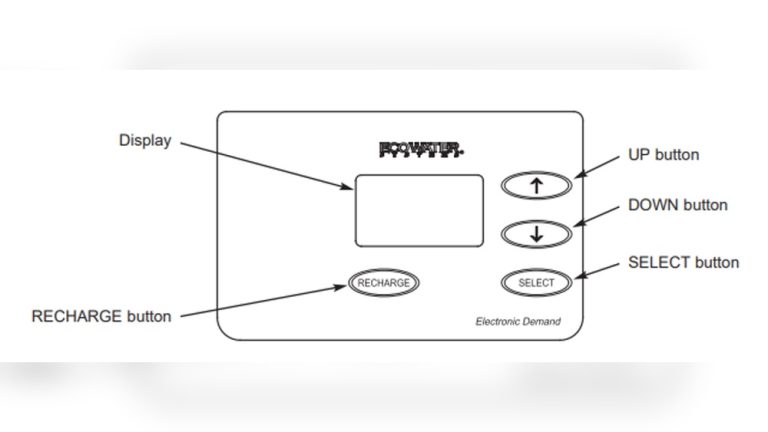
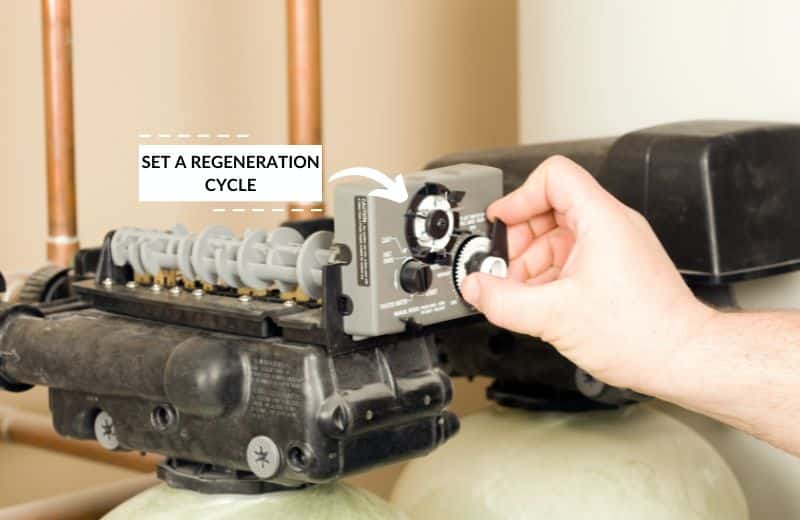
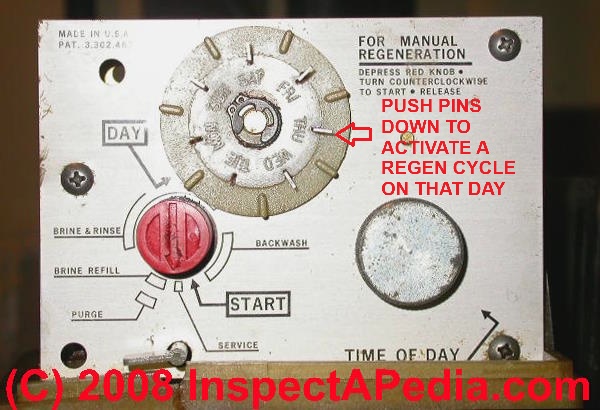
This cycle requires you to start it yourself. You press a button or turn a dial to begin regeneration. It is useful for testing or special situations. Manual regeneration can keep your softener working well with proper timing.
Key Cycle Settings Explained
Understanding the key cycle settings of a water softener helps keep it working well. Each setting controls an important part of the softening process. Knowing these settings lets you adjust the system for better water quality and efficiency.
Below are the main cycle settings explained in simple terms. These settings affect how your water softener cleans and regenerates its resin beads. Adjusting them correctly can save water, salt, and time.
Regeneration Frequency
Regeneration frequency is how often the system cleans itself. It depends on water hardness and usage. Setting it too often wastes salt and water. Setting it too rarely causes hard water to pass through.
Brine Draw Time
Brine draw time controls how long the system pulls saltwater through the resin. This step removes hardness minerals from the resin beads. Too short means poor cleaning. Too long wastes salt and water.
Backwash Duration
Backwash duration is the time spent cleaning the resin bed with water flow. It removes dirt and debris that block the resin. If too short, resin clogs. Too long wastes water and increases cycle time.
Rinse Cycle
The rinse cycle washes away leftover salt and minerals after regeneration. It ensures clean, soft water flows into your home. A proper rinse prevents salty taste and extends resin life.
Adjusting Settings For Water Hardness
Adjusting your water softener settings based on water hardness is important. It helps your system work well and saves salt and water. Proper settings also protect your pipes and appliances from scale buildup. Knowing your water’s hardness level guides these adjustments effectively.
Testing Water Hardness
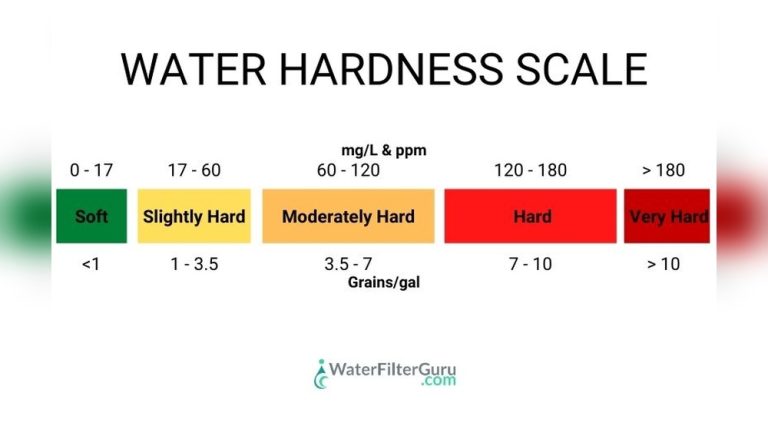
Start by testing your water hardness at home or with a lab. Home test kits are easy and give quick results. They measure hardness in grains per gallon (gpg) or parts per million (ppm). Accurate tests help set your softener correctly. Test water from different taps for better accuracy.
Setting Based On Hardness Levels
Set your water softener according to the hardness results. Soft water is below 3.5 gpg, moderate is 3.5 to 7 gpg, and hard is above 7 gpg. For hard water, increase the regeneration cycle frequency. For soft water, reduce salt use and cycle times. Adjusting this avoids overuse and saves money.
Optimizing Salt Usage
Optimizing salt usage in a water softener helps save money and keeps the system running well. Using the right amount of salt avoids waste and ensures soft water all the time. Adjusting salt settings correctly also protects your pipes and appliances.
Salt Dosage Settings
Salt dosage controls how much salt the softener uses during each cycle. Many softeners let you set low, medium, or high salt levels. Choose the setting that matches your water hardness and household size. Too much salt leads to waste. Too little salt means hard water may stay in your pipes.
Check your softener’s manual to find the best salt setting. Test your water hardness regularly. Adjust the dosage if water feels hard or salty. Proper settings keep your system efficient and your water soft.
Impact On Efficiency And Costs
Using the correct salt dosage lowers your salt costs. It also reduces the number of regeneration cycles needed. Fewer cycles save water and electricity. This helps the environment and cuts your utility bills.
Setting salt dosage too high wastes salt and money. Setting it too low causes hard water buildup. Hard water can damage appliances over time. A balanced salt usage keeps your system working well. It saves money on repairs and salt purchases.
Common Mistakes To Avoid
Setting the water softener cycle correctly is important for its efficiency. Many make mistakes that reduce the system’s performance. Avoiding these common errors helps save water, salt, and money. It also keeps your water softener working longer.
Over-regenerating
Running the regeneration cycle too often wastes salt and water. It can wear out the system faster. Only regenerate when the water softener signals low salt levels. Check the hardness of your water to set the right frequency.
Incorrect Cycle Timing
Starting the cycle at the wrong time causes issues. For example, running it during peak water use reduces water pressure. Set the cycle for times when water use is low, like late night or early morning. This keeps water soft without interrupting your daily routine.
Ignoring Maintenance
Skipping regular checks harms the softener’s function. Clean the brine tank and check salt levels often. Inspect the resin bed and valves yearly. Neglecting these steps leads to poor water quality and higher costs.
Credit: inspectapedia.com
Advanced Tips For Efficiency
Improving your water softener’s efficiency saves salt, water, and energy. Small changes in cycle settings make a big difference. Advanced tips help keep your system running smoothly and cost-effectively. Here are some ways to optimize your water softener for better performance.
Using Smart Controllers
Smart controllers adjust regeneration cycles based on water use. They prevent unnecessary softening cycles. This reduces salt and water waste. Smart controllers learn your household’s water patterns. They regenerate only when needed. This leads to better efficiency and savings.
Seasonal Adjustments
Water hardness can change with the seasons. Adjust your softener settings to match this variation. Use shorter cycles in months with softer water. Increase regeneration during hard water seasons. Seasonal tuning prevents overuse of salt and water. It keeps your system balanced year-round.
Monitoring System Performance
Regularly check your water softener’s performance. Monitor salt levels and water hardness output. Look for signs of system strain or poor efficiency. Early detection helps avoid costly repairs. Keep a log of maintenance and regeneration cycles. This data guides better adjustments and long-term care.
Troubleshooting Cycle Issues
Troubleshooting cycle issues with your water softener helps keep it working well. Problems can stop the softener from running its cycle correctly. Fixing these issues quickly saves water and protects your appliances.
Simple checks often solve common cycle problems. Understanding how to spot and fix errors avoids costly repairs. It also ensures soft water is available when you need it.
Identifying Cycle Failures
Cycle failures show as unusual noises or no water softening. Your softener may stay stuck in one cycle stage. Watch for long regeneration times or no salt usage. These signs mean the system is not completing its process.
Check if the timer or control panel displays errors. A clogged valve or sensor can stop the cycle. Look for blockages in the brine tank or resin bed. Dirty parts reduce efficiency and cause failures.
Resetting And Reprogramming
Resetting the system often clears minor glitches. Turn off the power for a few minutes. Turn it back on to restart the cycle. This step refreshes the control system and timer.
Reprogramming the cycle settings helps if the schedule is wrong. Follow the manual instructions to set the correct time and cycle length. Ensure the hardness level matches your water test results. Proper settings improve softener performance and avoid future errors.

Credit: www.reddit.com
Frequently Asked Questions
What Is The Best Water Softener Cycle Setting?
The best cycle setting depends on water hardness and household size. A common choice is the “normal” cycle for balanced performance and efficiency.
How Often Should A Water Softener Regenerate Cycle Run?
Typically, a water softener should regenerate every 2 to 3 days. This frequency depends on water usage and hardness levels.
Can I Adjust Water Softener Cycle Settings Myself?
Yes, most water softeners allow user adjustments via control valves or digital panels. Follow the manufacturer’s instructions for safe changes.
What Happens If Water Softener Cycle Is Too Short?
A too-short cycle may not fully remove hardness minerals, reducing softening efficiency. It can cause scale buildup and damage appliances.
Conclusion
Choosing the right water softener cycle settings saves you time and money. It keeps your water soft and clean every day. Adjust settings based on your water hardness and household needs. Regular checks help your softener work well for longer.
Simple steps make a big difference in water quality. Enjoy softer water with less effort and worry. Small changes bring better results and protect your pipes. Keep your system running smoothly by understanding cycle options. Soft water feels better and helps your home stay clean.