
Are you tired of dealing with hard water problems in your home? Your Ecowater water softener can be the key to solving those issues—but only if the hardness setting is just right.
Getting this setting wrong means you could still face spots on dishes, dry skin, or even damage to your appliances. You’ll discover exactly how to adjust your Ecowater water softener hardness setting so your water feels softer, cleaner, and better for your whole family.
Keep reading to unlock the simple steps that make a big difference.
What Is Water Hardness
Water hardness means how much calcium and magnesium is in water. Ecowater water softeners use hardness settings to adjust and reduce these minerals. This helps protect pipes and appliances from buildup and damage.
What Is Water Hardness?
Water hardness is a measure of minerals in water. Mainly, it shows how much calcium and magnesium the water contains. These minerals come from rocks and soil as water passes through them.
Hard water feels different from soft water. It can leave spots on dishes and make soap less effective. It can also cause buildup inside pipes and appliances.
Understanding water hardness helps set your Ecowater water softener correctly. The right setting ensures better water quality and protects your home’s plumbing.
How Is Water Hardness Measured?
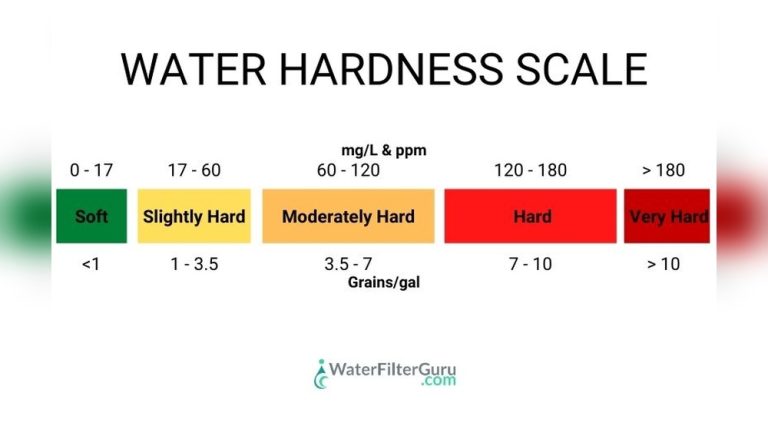
Water hardness is measured in grains per gallon (gpg) or parts per million (ppm). One grain per gallon equals 17.1 ppm. The higher the number, the harder the water.
Water hardness levels are usually divided into categories: soft, moderately hard, hard, and very hard. Each level affects water use differently.
Why Does Water Hardness Matter?
Hard water can cause scale buildup in pipes and appliances. This reduces their efficiency and lifespan. It also makes cleaning tasks harder and wastes soap.
Softening hard water with an Ecowater system helps prevent these issues. It keeps your plumbing and appliances in better condition.

Credit: www.youtube.com
How Ecowater Softener Works
Understanding how the Ecowater softener works helps you get the best water quality. This system reduces hardness, making water gentle on skin and appliances. It uses a smart process to remove calcium and magnesium.
The softener uses special beads that attract hard minerals. These beads hold the minerals and stop them from causing scale. Over time, the beads fill up and need cleaning to work well again.
The system cleans itself automatically. It flushes out the minerals and refreshes the beads. This cycle keeps the softener effective without much effort from you.
Ion Exchange Process
The Ecowater softener works by ion exchange. Hard water passes through resin beads inside the tank. These beads swap calcium and magnesium ions with sodium ions.
This swap removes hardness and softens the water. The process is quick and happens every time water flows.
Regeneration Cycle
After time, the resin beads get full of hard minerals. The softener starts a regeneration cycle to clean them. It uses a salt solution to wash away the minerals.
This cycle restores the beads to their softening power. It happens automatically based on water use or time.
Hardness Setting Adjustment
Setting the correct hardness level helps the softener work right. You adjust the hardness based on your water test results. This setting tells the system how much hardness to remove.
Proper settings improve water quality and save salt. It also keeps the system running longer without issues.
Finding Your Water Hardness Level
Finding your water hardness level is the first step to setting up your Ecowater water softener. Hard water contains minerals like calcium and magnesium. These minerals can cause scale build-up and reduce the effectiveness of soaps and detergents. Knowing the hardness level helps you choose the right softener setting. This makes your water cleaner and your appliances last longer.
There are simple ways to find out your water hardness. You can test your water at home or check reports from your local water supplier. Both methods are easy and give you a clear idea of the mineral content in your water.
Using Test Kits
Test kits are quick and easy tools to measure water hardness. They usually come with strips that change color based on mineral levels. Simply dip a strip in your water and compare the color to the chart provided. This gives you a rough estimate of hardness in grains per gallon (gpg) or parts per million (ppm). Some kits offer digital meters for more accuracy. Using a test kit at home helps you adjust your softener settings correctly.
Checking Local Water Reports
Local water reports often include water hardness information. These reports are published by water companies or local government. They show average hardness levels for your area. You can find them online or request a copy from your water supplier. This data is reliable and saves you time. Using local reports lets you set your Ecowater softener without extra testing. It also helps you understand the quality of your water source better.
Credit: ecowater.zendesk.com
Setting Hardness On Ecowater Softener
Setting hardness on an Ecowater softener ensures your system works well. It controls how much hardness the softener removes from your water. Correct settings protect your pipes and appliances from scale build-up. It also improves water quality for daily use.
Accessing The Control Panel
Start by locating the control panel on your Ecowater softener. It is usually on the front or top of the unit. Press the power button to wake the display screen. Use the arrow buttons to navigate through the menu. Look for the “Hardness” or “Settings” option. Select it to enter the hardness adjustment mode.
Adjusting Hardness Settings
Find your water hardness level from a test kit or local water report. Use the arrow keys to set this number on the control panel. The number should match the hardness level in grains per gallon (GPG). Confirm the setting by pressing the “Enter” or “OK” button. The softener will now adjust its regeneration cycle based on this input.
Common Mistakes To Avoid
Setting the correct hardness level on your Ecowater water softener is important. Many users make simple mistakes that reduce the system’s efficiency. Avoiding these errors helps your softener work well and last longer.
Understanding these common mistakes will save time and money. It also ensures your water feels smooth and cleans better.
Incorrect Hardness Test Results
Using old or expired test strips leads to wrong hardness readings. Test strips must be fresh and stored properly. Testing water at the wrong time, like after heavy rain, gives false results. Always follow the test instructions carefully for accurate data.
Not Adjusting Settings After Testing
Many users test water hardness but forget to update the softener settings. The system needs the exact hardness number to work properly. Leaving the softener at default settings wastes salt and water. Adjust the hardness setting after each test to match your water’s needs.
Ignoring Changes In Water Hardness
Water hardness can change over time due to various reasons. Some users set the hardness once and never check again. This can cause scaling or soft water issues. Test hardness every few months and adjust settings if needed for best results.
Setting Hardness Too Low Or Too High
Setting hardness too low causes the softener to run too often. It wastes salt and shortens the softener’s life. Too high settings leave hard minerals in water. Use the exact hardness level from your test for balanced performance.
Skipping Regular Maintenance
Ignoring routine cleaning and salt refilling affects the softener’s performance. Hardness settings won’t matter if the system is clogged or low on salt. Check salt levels monthly and clean the brine tank yearly. Proper care keeps the softener effective.
Signs Of Incorrect Hardness Settings
Setting the correct hardness level on your Ecowater water softener matters. Wrong settings cause problems with water quality and appliance performance. Recognizing signs of incorrect hardness settings helps you fix issues fast. This way, your water softener works well and protects your home.
Low Soap Lather And Residue
Soap does not foam well with hard water. If you see less lather, hardness might be set too low. Clothes and dishes may feel sticky or have white spots. These signs mean your water softener needs adjustment.
Scale Buildup On Appliances
Hard water leaves mineral deposits on faucets and inside appliances. If you notice crusty buildup or stains, the hardness setting may be too high. Scale harms water heaters, coffee makers, and pipes. Adjusting hardness helps reduce this damage.
Soft Water Feeling Too Slippery
Water that feels slimy or slippery can mean hardness is set too low. Over-softened water may waste salt and cause plumbing issues. The right balance keeps water smooth without being overly soft.
Frequent Regeneration Cycles
If your softener runs the cleaning cycle too often, hardness might be set incorrectly. Short cycles waste salt and water. Proper settings ensure efficient operation and save resources.
Tips For Maintaining Your Softener
Maintaining your Ecowater water softener keeps it working well. Regular care helps the softener remove hardness effectively. Simple steps can extend your softener’s life and improve water quality.
Check the hardness setting often. Make sure it matches your water’s hardness level. Adjust it if needed to keep soft water flowing.
Cleaning The Brine Tank
Clean the brine tank every six months. Remove salt buildup and dirt that block salt from dissolving. Use warm water and mild soap to clean the tank. Rinse well before refilling with salt.
Using The Right Salt
Use high-quality salt made for water softeners. Avoid salt with too many impurities. Salt pellets or blocks work best. Poor salt can cause clogs and reduce softening power.
Checking For Salt Bridges
Salt bridges form when salt hardens into a solid layer. Break up salt bridges if you find them. Use a broom handle or stick to gently break the crust. Salt must dissolve freely to work well.
Regularly Inspecting The System
Look over your softener every few months. Check for leaks or damaged parts. Listen for unusual sounds during regeneration. Early fixes prevent big problems later.
Running Manual Regeneration
Run a manual regeneration cycle if water feels hard. This clears out hardness minerals and refreshes the system. Follow your softener’s instructions for this process.

Credit: www.youtube.com
Frequently Asked Questions
What Is The Ideal Hardness Setting For Ecowater Softeners?
The ideal hardness setting matches your water’s grain per gallon (GPG) hardness. Test your water first and set accordingly for efficient softening.
How Do I Adjust Ecowater Water Softener Hardness?
Use the control panel or dial to set hardness. Refer to your manual and input the exact hardness value from your water test.
Why Is Correct Hardness Setting Important?
Proper hardness setting ensures optimal salt usage and water quality. Incorrect settings cause inefficient softening or excessive salt consumption.
Can I Test Water Hardness At Home?
Yes, use water hardness test kits available online or at stores. They provide quick and accurate GPG readings for setting your softener.
Conclusion
Setting the right hardness level for your Ecowater softener saves money and protects pipes. Hard water causes stains and damage over time. Adjusting the settings keeps water soft and clean. Test your water to find the correct hardness number. Simple changes make your water better every day.
Trust the process and enjoy softer water at home. Small steps lead to big improvements in water quality. Take control of your water hardness today.