
Are you struggling with hard water issues in your home? Setting the right hardness level on your AO Smith water softener can make all the difference.
If your water feels rough on your skin, leaves spots on dishes, or causes buildup in pipes, adjusting this setting is the key to smoother, cleaner water. You’ll discover exactly how to find and set the perfect hardness level for your water softener.
By the end, you’ll have the confidence to optimize your system and enjoy soft water every day. Keep reading to unlock the simple steps that will transform your water quality instantly.
Credit: www.aquasana.com
Ao Smith Water Softener Basics
The Ao Smith water softener is a popular choice for homes facing hard water issues. Hard water contains minerals that cause scale buildup and reduce soap effectiveness. This device helps remove those minerals, making water softer and better for daily use.
Understanding the basics of the Ao Smith water softener helps users set it up properly. Setting the correct hardness level is key to its performance. The system is designed to work smoothly and provide clean, soft water for your household needs.
How It Works
The Ao Smith water softener uses a process called ion exchange. Hard water passes through a resin tank filled with tiny beads. These beads attract and hold onto calcium and magnesium ions. In return, the beads release sodium or potassium ions into the water.
This exchange removes the hardness from the water. Over time, the beads fill up with minerals. The system then regenerates by flushing the beads with a salt solution. This process cleans the beads and prepares them to soften water again.
Key Features
The Ao Smith water softener offers easy-to-use controls for hardness settings. It allows precise adjustment based on your water’s hardness level. The system also has a durable resin tank and a reliable regeneration cycle.
Its design saves water and salt during regeneration. This helps reduce operating costs. The unit works quietly and fits in small spaces. It requires minimal maintenance, making it convenient for most households.
What Is Water Hardness
Water hardness measures the amount of minerals in water. Mainly, it shows how much calcium and magnesium are present. Hard water feels different and can cause various issues. Knowing water hardness helps you set your Ao Smith water softener properly. This ensures better water quality and protects your home appliances.
Causes Of Hard Water
Hard water forms when rainwater passes through soil and rocks. It picks up minerals like calcium and magnesium. These minerals dissolve in water and make it hard. Areas with limestone or chalk in the ground often have hard water. The more minerals the water carries, the harder it becomes.
Effects On Appliances And Skin
Hard water leaves mineral deposits inside appliances. This build-up reduces their efficiency and life span. Water heaters and washing machines can get clogged or damaged. Hard water also makes soap less effective. It leaves a residue on skin, causing dryness and irritation. Softening water helps protect appliances and keeps skin smooth.
Finding Your Hardness Level
Finding your water hardness level is the first step to setting your AO Smith water softener correctly. Water hardness varies by location and affects how your softener works. Knowing the exact hardness helps the system remove minerals effectively. This ensures soft water for your home and protects your plumbing and appliances.
Measuring hardness is easy with a few simple methods. Test results guide you to the right setting on your softener. Keep reading to learn how to test and understand your water hardness.
Testing Methods
Use a water hardness test kit from a local store or online. These kits include strips that change color based on mineral content. Dip the strip in water and wait a few seconds. Match the strip color to the chart provided with the kit.
Some areas offer free water testing through local utilities. You can also send a water sample to a lab for precise results. Digital testers give quick readings but may cost more. Choose a method that fits your budget and needs.
Interpreting Results
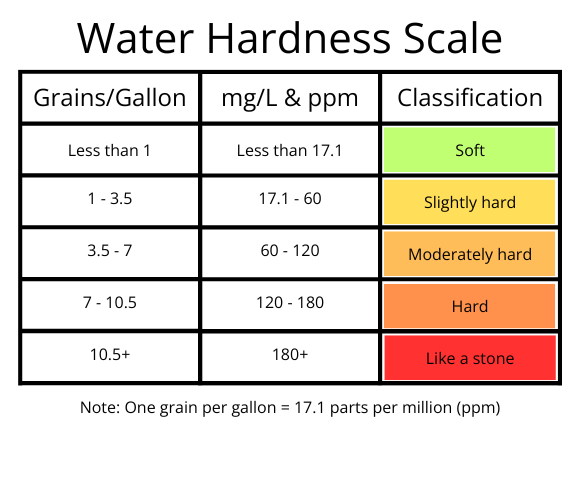
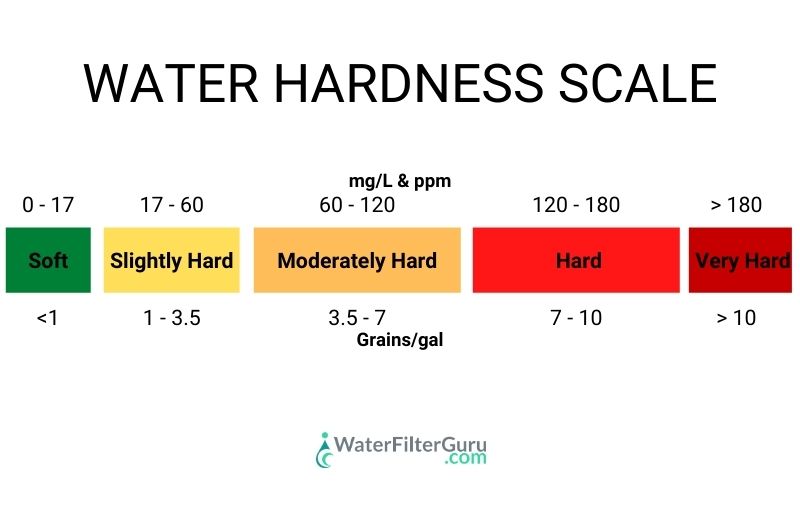
Water hardness is measured in grains per gallon (gpg) or parts per million (ppm). Soft water is under 1 gpg, while hard water is over 7 gpg. Medium hardness falls between 3.5 and 7 gpg. Use the test results to find your level.
Check your AO Smith softener manual for the right setting based on hardness. Setting it too low wastes salt and water. Setting it too high may leave minerals in your water. Accurate settings save money and improve water quality.

Credit: www.youtube.com
Setting Hardness On Ao Smith Softener
Setting the hardness level on your Ao Smith water softener is important for its proper function. The hardness setting controls how much hardness the system removes from your water. This ensures soft water for your home and protects appliances from scale buildup.
Adjusting the hardness setting is simple and helps the softener work efficiently. The process involves accessing the control panel and changing the settings based on your water’s hardness.
Accessing The Control Panel
Find the control panel on the front of the water softener unit. It usually has a small screen and buttons for navigation. Press the power button if the screen is off. Use the arrow buttons to move through the menu options. Look for the “Hardness” or “Settings” option to start adjusting.
Adjusting Hardness Settings
Once in the hardness menu, check the current setting. Use the arrow keys to increase or decrease the hardness level. Set the level according to your water test results. Save the changes by pressing the confirm or enter button. The softener will now treat water based on the new hardness setting.
Common Hardness Settings
Ao Smith water softeners need correct hardness settings to work well. Hardness levels vary by location. Setting the right hardness improves water quality and protects appliances. Below are common hardness settings you might encounter. Each setting affects how your softener works.
Low Hardness
Low hardness means water has few minerals like calcium and magnesium. It usually measures 0 to 3 grains per gallon (gpg). With low hardness, the softener uses less salt and regenerates less often. This saves salt and water. Softened water feels smooth and clean.
Medium Hardness
Medium hardness water has minerals between 4 and 7 gpg. This level is common in many homes. The softener needs a balanced setting to remove enough hardness. It uses a moderate amount of salt. Water feels softer and protects pipes and appliances better.
High Hardness
High hardness water contains 8 or more gpg of minerals. This level can cause scale buildup and damage appliances. The softener must work harder and regenerate more often. It uses more salt but gives much softer water. Proper settings help avoid costly repairs and improve water taste.
Troubleshooting Hardness Settings
Troubleshooting hardness settings in your AO Smith water softener is key to maintaining soft water. Incorrect settings can cause hard water problems or waste salt. Understanding signs of wrong settings helps fix issues fast. Resetting the device to default may solve setting errors. This section guides you through these steps clearly and simply.
Signs Of Incorrect Settings
Hard water spots on dishes or glassware appear often. Soap does not lather well during washing. Clothes feel rough after washing. Appliances show scale buildup inside. Water tastes unusual or metallic. These signs point to wrong hardness settings.
Resetting To Default
Turn off the water softener power first. Find the reset button or menu on the control panel. Hold the reset button for a few seconds. The unit will return to factory settings. This clears any wrong hardness values stored. After reset, enter your local water hardness level again. This ensures proper softening and saves salt.
Maintenance Tips For Optimal Performance
Maintaining your Ao Smith water softener is key to its best performance. Proper care helps the system work smoothly and last longer. Simple steps keep hardness settings accurate and water soft.
Regular Cleaning
Clean the resin tank every few months. Dirt and minerals can build up inside. Use mild soap and water to wipe the outside. Avoid harsh chemicals that can damage parts. Check the brine tank for salt bridges and break them gently. Clean the drain line to prevent clogs.
Salt Replenishment
Check salt levels regularly. Low salt causes poor softening and system errors. Use high-quality salt designed for water softeners. Keep salt above the water line in the tank. Refill before it runs out completely. Avoid using rock salt that may clog the system.
Credit: waterfilterguru.com
Frequently Asked Questions
What Is The Ideal Hardness Setting For Ao Smith Water Softener?
The ideal hardness setting depends on your water’s hardness level. Test your water first, then set the softener to match grains per gallon (GPG) or parts per million (PPM). Proper settings ensure efficient softening and prolong system life.
How Do I Adjust Hardness Settings On Ao Smith Softener?
Access the control panel, then use the buttons to change hardness levels. Follow the user manual’s step-by-step instructions. Accurate adjustment optimizes salt usage and water quality.
Why Is Correct Hardness Setting Important For Ao Smith Softeners?
Correct settings prevent scale buildup and protect plumbing. It also saves salt and energy by avoiding over-softening. Proper adjustment ensures clean, soft water for daily use.
How To Test Water Hardness Before Setting Ao Smith Softener?
Use a water hardness test kit or send a sample to a lab. Testing provides exact hardness levels in GPG or PPM. This data helps set your softener accurately.
Conclusion
Setting the right hardness on your AO Smith water softener matters. It helps protect pipes and appliances from damage. Soft water feels better and cleans more easily. Check your local water hardness level before adjusting settings. Keep your system maintained for best results.
Small changes make a big difference in water quality. Enjoy softer water every day with the correct hardness setting. Simple steps lead to better water in your home.