
When was the last time you thought about cleaning your water softener? If you’re like most people, it’s probably not often enough.
But keeping your water softener clean is key to making sure it works well and lasts longer. If your water starts tasting off or your appliances don’t run as smoothly, it might be time to take action. You’ll discover exactly when and how to clean your water softener so you can enjoy soft, pure water every day without any hassle.
Keep reading—your water and your wallet will thank you!
Signs Your Water Softener Needs Cleaning
Reduced water softening efficiency is a clear sign your water softener needs cleaning. You may notice hard water spots on dishes or shower glass. Soap may not lather well, and clothes might feel rough after washing. These signs show the resin inside is clogged or dirty.
Unusual odors or tastes in your water can mean the softener is dirty. A strange smell or metallic taste often comes from bacteria or buildup in the system. Clean your softener to restore fresh, clean water.
Visible resin bead issues like clumping or discoloration also indicate cleaning is needed. Resin beads trap hard minerals, but over time they can break down or stick together. This reduces softener performance and may cause damage.
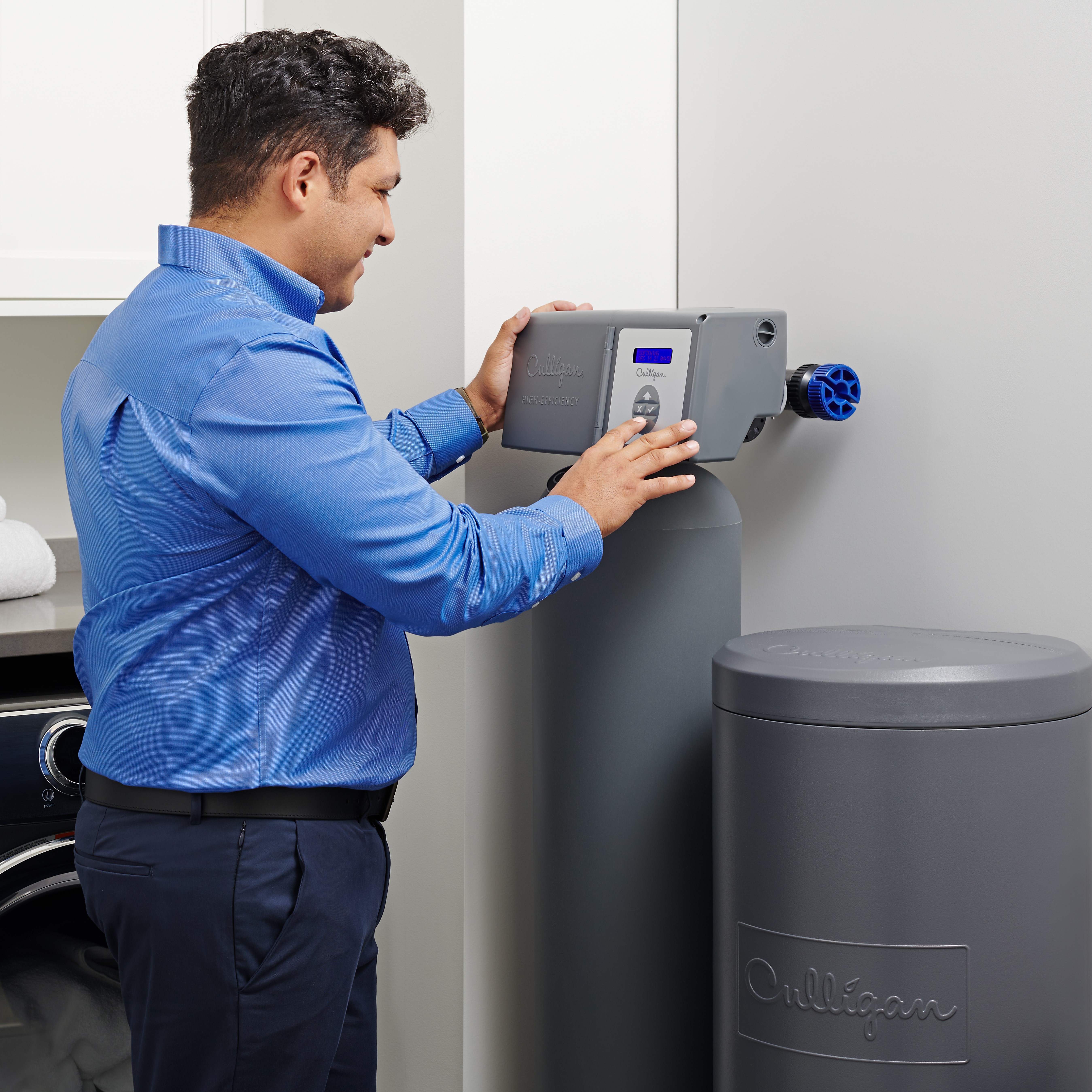
Credit: www.culligan.com
Factors Affecting Cleaning Frequency
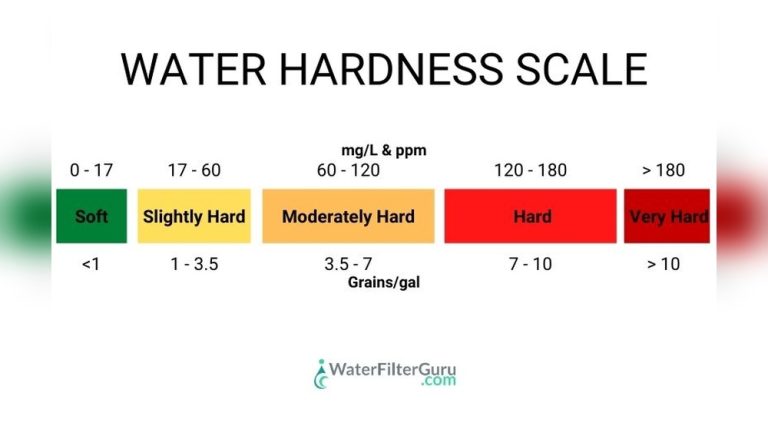
Water hardness levels impact how often a water softener needs cleaning. Harder water means more minerals build up fast. This causes the softener to work harder and need cleaning more often.
Water usage volume also matters. The more water used daily, the quicker the softener fills with minerals. Homes with many people or high water use should clean the softener more regularly.
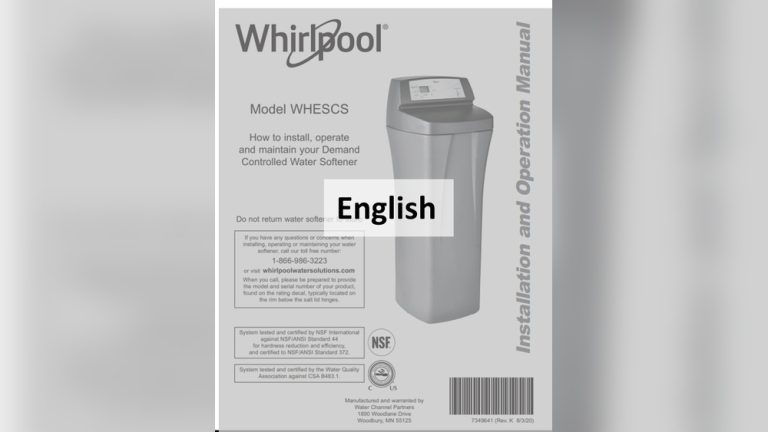
Type of water softener affects cleaning frequency too. Some models need cleaning every few months. Others have longer intervals, even up to a year. Check the manual for specific advice.
Steps To Clean Your Water Softener
Start by collecting all the cleaning supplies. You will need a bucket, mild detergent, a soft cloth, and a water hose. Wearing gloves helps keep hands clean and safe.
Next, open the resin tank carefully. Remove any salt buildup or debris inside. Use a soft cloth and mild detergent to clean the tank walls gently. Avoid harsh chemicals that can damage the resin beads.
Finally, flush and sanitize the system. Run clean water through the softener to remove leftover dirt. Use a water softener sanitizer as per the instructions. Let the system dry before closing the tank. This keeps your water softener working well and clean.
Maintaining Your Water Softener Between Cleanings
Check the salt level in your water softener often. Salt helps the softener work well. If salt is low, add more to keep it running smoothly.
Sometimes, salt can form a hard layer called a salt bridge. This stops the salt from reaching the water. Gently break the salt bridge if you see one.
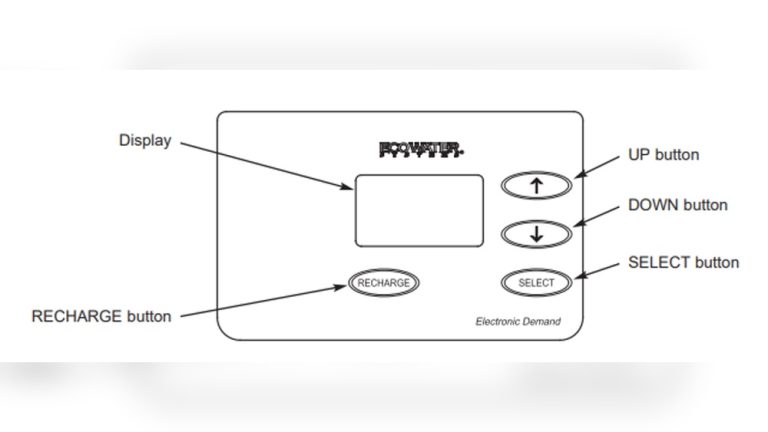
Your softener has routine regeneration cycles. These clean and refresh the system. Make sure these cycles happen as planned to keep soft water flowing.
Professional Servicing Vs. Diy Cleaning
Call a professional if your water softener shows signs of damage or odd noises. Complex problems need expert tools and skills. Professionals know how to clean and fix your system safely. They check parts like the resin tank and valves carefully. Regular professional maintenance can extend the life of your water softener. It also improves water quality and prevents costly repairs. Experts can spot hidden issues early, saving money and hassle.
For DIY cleaning, always turn off the water and unplug the unit first. Use only recommended cleaners to avoid damage. Avoid harsh chemicals that can harm the resin beads. Wear gloves and safety glasses to protect yourself. Follow the manufacturer’s guide step-by-step. Clean the brine tank and check salt levels often. Remember, safety first. If unsure, wait for a professional visit.

Credit: www.youtube.com
Common Mistakes To Avoid During Cleaning
Avoid using harsh chemicals on your water softener. They can damage the system parts. Stick to mild cleaners recommended by the maker. Harsh chemicals might cause leaks or break the softener.
Skipping regular maintenance can cause problems. Cleaning and checking the softener often keeps it working well. Salt levels must be checked and refilled on time. Ignoring this leads to hard water and damage.
Ignoring manufacturer instructions is a common mistake. Each water softener has specific cleaning steps. Following these steps helps the softener last longer. Always read and follow the guide that comes with your softener.

Credit: www.reddit.com
Frequently Asked Questions
When Is The Best Time To Clean A Water Softener?
Clean your water softener every 3 to 6 months. Regular cleaning prevents salt buildup and maintains efficiency. Check your manufacturer’s guide for specific cleaning intervals.
How Do I Know If My Water Softener Needs Cleaning?
Signs include salty water taste, reduced water flow, or hard water spots. If these appear, it’s time to clean your softener promptly.
Can I Clean My Water Softener Myself?
Yes, most water softeners can be cleaned by homeowners. Follow the manufacturer’s instructions carefully for safe and effective cleaning.
What Happens If I Don’t Clean My Water Softener?
Ignoring cleaning causes salt bridges, clogs, and poor softening. This reduces water quality and damages the system over time.
Conclusion
Cleaning your water softener keeps your water fresh and your system working well. Check your softener regularly for signs of salt buildup or hard water return. A clean softener saves money on repairs and extends its life. Don’t wait for problems to start cleaning.
Simple steps taken now prevent bigger issues later. Keep your water softener in good shape. Enjoy soft, clean water every day without worry.