
Are you struggling with hard water problems at home? If your appliances are acting up or your skin feels dry after every shower, the issue might be your water softener grains setting.
Getting this setting right can make a huge difference in how well your water softener works. You’ll discover simple steps to adjust your water softener grains setting so you can enjoy softer water, save money, and protect your plumbing. Keep reading to find out how a small change can bring big improvements to your daily life.

Credit: aquasureusa.com
Choosing The Right Grain Setting
Choosing the right grain setting for your water softener is important. It controls how well your system removes hardness minerals. The right setting helps your softener work efficiently and saves salt and water. Understanding how to pick the correct grain level makes your water soft and your system last longer.
Factors Influencing Grain Levels
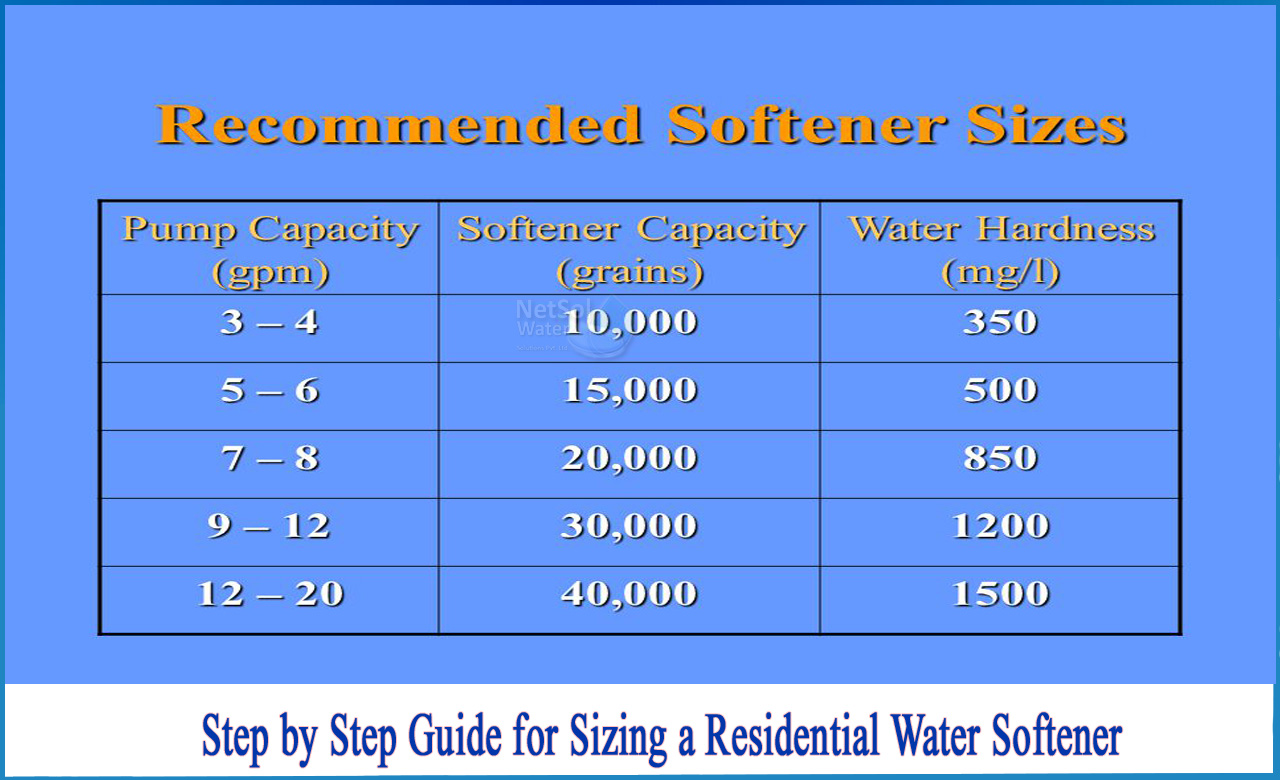
Several factors affect the grain setting you need. The size of your household matters. More people use more water and need a higher grain setting. The hardness level of your water is key. Hard water with many minerals requires a higher grain setting. Your water softener model also affects the setting. Different models have different capacity limits.
Matching Grains To Water Hardness
Water hardness is measured in grains per gallon (gpg). Match the grain setting to your water’s hardness. For example, water with 10 gpg hardness needs a setting close to 10,000 grains. This setting means the softener removes 10,000 grains of hardness before recharging. Checking your water hardness first guides you to the correct grain setting.
Impact On Softening Performance
Setting the grain level too low reduces softening power. Your water may stay hard, causing scale buildup. A setting too high wastes salt and water during regeneration. The right setting balances performance and cost. It keeps water soft and extends the softener’s life. Proper grain settings improve overall water quality and system efficiency.
Credit: www.netsolwater.com
Adjusting Grain Settings
Adjusting the grain settings of your water softener is vital for proper function. It controls how much hardness the softener can handle before it needs to recharge. Setting the right grain level helps save salt and water. It also protects your pipes and appliances from scale buildup.
Step-by-step Adjustment Process
First, find your softener’s control panel or dial. Check the current grain setting. Next, decide the hardness level of your water. You can use a test kit to measure it. Turn the dial or adjust the setting to match this hardness. Make small changes and note the new setting. Finally, restart the softener to apply changes.
Tools And Equipment Needed
You will need a water hardness test kit. It helps find the exact grain level needed. A screwdriver may be necessary to open the control panel. Some models require a small wrench to adjust settings. Keep a notebook to record adjustments. A flashlight helps if your softener is in a dark place.
Common Mistakes To Avoid
Do not guess your water hardness. Using wrong settings wastes salt and water. Avoid setting grains too high or too low. Never skip testing before changing settings. Do not force the adjustment dial; it may break. Always write down changes to track progress.
Benefits Of Optimal Grain Settings
Setting the right grain level in your water softener is very important. It helps your system work well and gives you better water. The correct grain setting balances softening power and resource use. This keeps your water clean and your softener strong.
Choosing the best grain setting protects your device and saves money. It also reduces waste and keeps your home’s water healthy. Let’s see the key benefits of having the right grain setting.
Improved Water Quality
Optimal grain settings remove hard minerals better. This means softer water for your home. Softer water feels nicer on skin and hair. It stops spots on dishes and glass. You get cleaner, safer water for cooking and cleaning.
Extended Softener Lifespan
Correct grain levels reduce wear on your softener. The system uses less salt and water in each cycle. This lowers strain on parts and prevents damage. Your softener will last longer and need fewer repairs.
Energy And Salt Savings
Right grain settings make your softener efficient. It uses less salt to clean the resin beads. Less salt means lower costs and less waste. It also saves energy by running fewer cycles. This helps the environment and your budget.
Troubleshooting Grain Setting Issues
Troubleshooting grain setting issues in a water softener can save you time and money. Grain settings control how much hardness your system can remove. Incorrect settings cause poor water quality and system problems.
Understanding common problems helps you fix them fast. This section explains signs of wrong grain settings, quick solutions, and when to seek expert help.
Signs Of Incorrect Settings
Hard water spots on dishes or faucets mean settings are too low. Soft water feeling slimy or slippery shows settings may be too high. Frequent regenerations or salt use signal wrong grain levels. Reduced water flow or strange tastes also indicate setting problems.
Quick Fixes And Solutions
Check your water hardness before adjusting grain settings. Reset the system to factory defaults and test water again. Clean the resin bed to improve softening. Replace salt and ensure the brine tank is full. Adjust grain settings in small steps and monitor results.
When To Call A Professional
Persistent problems after adjustments need expert help. Complex issues with valves or control heads require technicians. If water tests show no improvement, call a professional. Regular maintenance checks by experts keep your system working well.
Maintaining Your Water Softener
Maintaining your water softener ensures it works well and lasts longer. Regular care stops common problems like salt bridging and poor water flow. Simple steps keep water soft and your system running smoothly.
Regular Inspection Tips
Check your water softener every month. Look for salt buildup or hard water signs. Make sure the salt level is above the water. Inspect the brine tank for cracks or leaks. Notice any strange noises or smells. Early checks prevent bigger issues later.
Cleaning And Replacing Components
Clean the brine tank once a year. Remove old salt and debris to stop clogs. Rinse the tank with water before adding fresh salt. Replace the resin beads every few years. Clean the injector and venturi to avoid blockages. Proper cleaning keeps the system efficient.
Seasonal Adjustments
Adjust settings based on water hardness changes. In winter, water hardness may increase. Increase salt dosage during hard water months. Lower salt use when water is softer. Adjust regeneration frequency for best results. Seasonal tuning saves salt and energy.

Credit: www.floridawatertechnologies.com
Frequently Asked Questions
What Is The Ideal Setting For Water Softener Grains?
The ideal water softener grains setting depends on your water hardness level. Typically, set grains between 8 to 12 pounds for average hardness. Adjust based on your water test results to optimize softening efficiency and prevent salt wastage.
How To Adjust Water Softener Grain Settings Properly?
To adjust grain settings, first test your water hardness. Then, input the grains per gallon (GPG) value into your softener’s control panel. This ensures the system regenerates only when necessary, saving salt and improving water quality.
Why Is Water Softener Grain Setting Important?
Grain settings control how much hardness your softener removes per cycle. Proper settings prevent hard water buildup and extend appliance life. Incorrect settings cause either salt waste or ineffective softening.
Can Incorrect Grain Settings Damage My Water Softener?
Yes, incorrect grain settings can harm your softener. Too low settings lead to frequent regenerations, wasting salt. Too high settings cause hard water deposits, damaging pipes and appliances over time.
Conclusion
Setting water softener grains correctly keeps your system working well. It helps stop hard water damage and saves energy. Adjust the settings based on your water hardness and usage. Regular checks prevent problems and keep water soft. Simple care means better water for your home and appliances.
Take time to learn your softener’s needs. Good settings lead to cleaner water and longer appliance life. Keep your water softener grains set right for the best results.