
Are you struggling to figure out the right position for your Whirlpool water softener bypass valve? Knowing how to set this valve correctly can save you time, money, and frustration.
Whether you want to maintain soft water throughout your home or need to perform maintenance without shutting off your water supply, understanding the bypass valve position is key. You’ll discover simple tips that make managing your water softener easy and effective.
Keep reading to learn how a small adjustment can make a big difference in your water quality and system performance.
Credit: whirlpoolwatersolutions.zendesk.com
Whirlpool Bypass Valve Basics
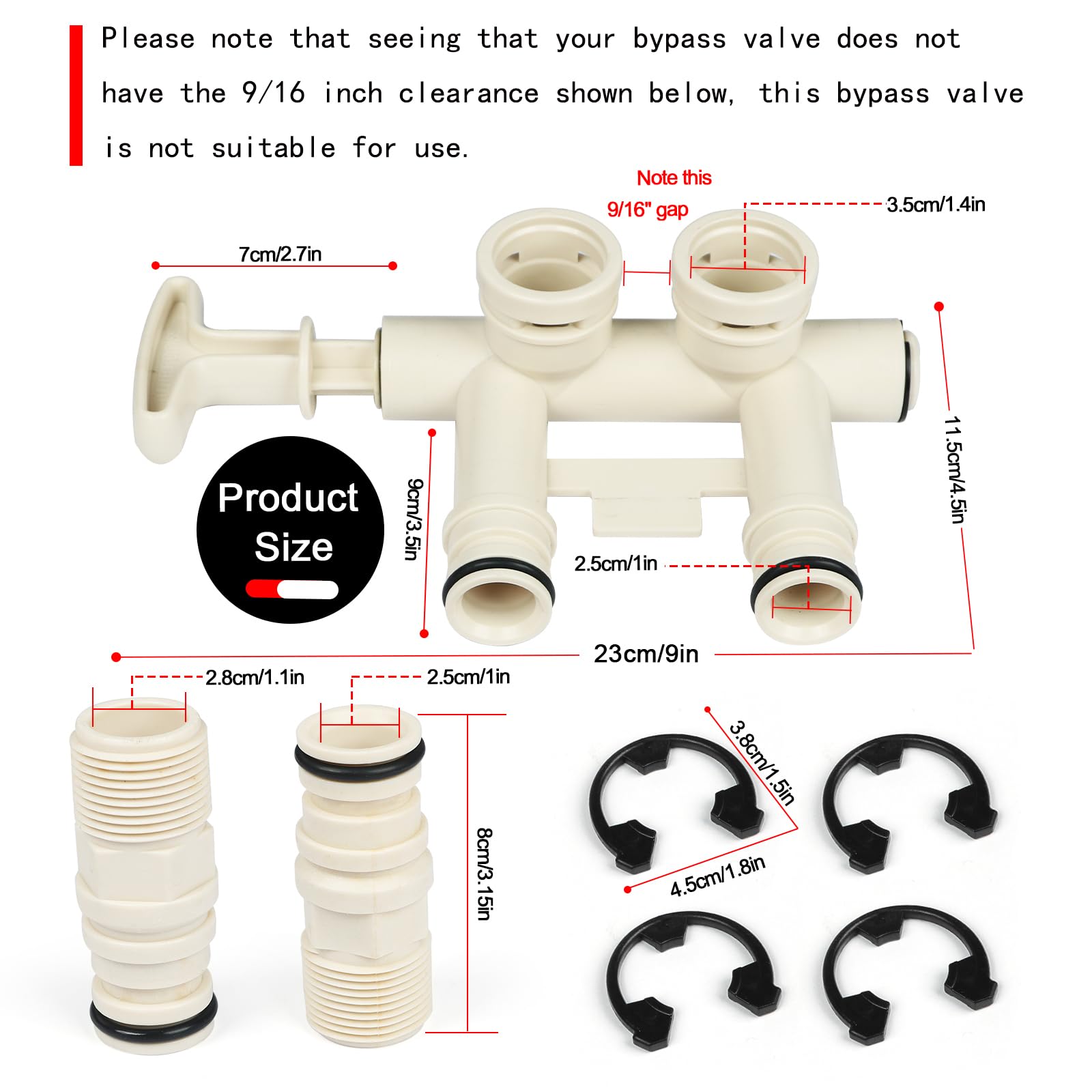
The bypass valve lets water flow around the softener. This helps if the softener needs repair or cleaning.
You can change the valve to stop softening water without shutting off the system. It saves time and effort during maintenance.
The valve is usually near the softener’s main body. It has handles or knobs to switch positions easily.
Turning the valve one way sends water through the softener. Turning it the other way lets water bypass the softener.
Knowing the valve’s position helps control water hardness in your home. It also protects the softener from damage.
Credit: www.histamineintolerance.org.uk
Valve Positions Explained
The normal operating position lets water flow through the softener. This means hard water goes in and soft water comes out. The softener removes minerals like calcium and magnesium.
The bypass mode stops water from entering the softener. Water flows straight through the pipes. Use this mode if you want to skip softening temporarily or fix the softener.
Service mode helps when cleaning or fixing the softener. Water flow is stopped or controlled to avoid damage. It keeps the system safe during maintenance.
When To Use Bypass Mode
The bypass mode is useful during maintenance and repairs. It allows water to flow without passing through the softener. This helps you fix or clean the system without stopping water supply.
For water quality testing, bypass mode is important. It lets you check the hardness level of water before and after softening. This helps find any problems with the softener.
Using bypass mode protects the softener during tasks. It also keeps water available for your home. Always make sure to set the valve correctly when switching modes.
Credit: www.watersmartsystems.com
How To Adjust The Valve
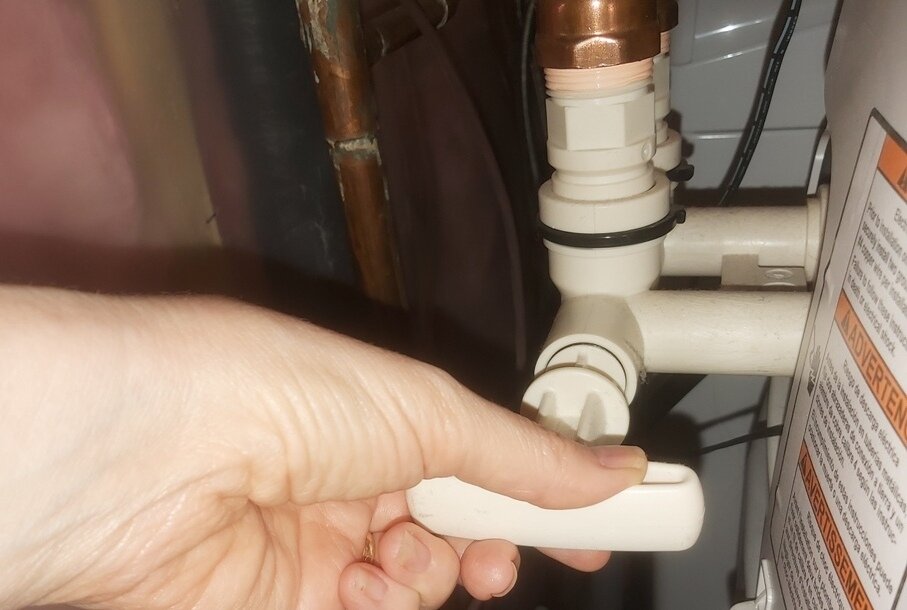
Locate the bypass valve on your Whirlpool water softener. Turn the valve handle slowly to the desired position. For normal soft water, set it to the service position. For bypassing, turn it to the bypass position. Make sure the valve is securely set to avoid leaks.
Check the water flow after adjusting. If water feels hard, adjust the valve again. Always move the valve gently to prevent damage.
Safety Tips: Turn off water supply before adjusting the valve. Use gloves to protect your hands. Avoid forcing the valve if it feels stuck. Keep children away during adjustment. Regularly inspect the valve for wear or leaks.
Common Issues And Solutions
Valve leaks can cause water to drip or flow where it should not. This may lead to water damage or poor softening performance. Check the valve position carefully. A valve not fully closed or open may cause leaks. Tighten fittings if loose, but avoid overtightening.
Incorrect valve position can stop water flow or let hard water bypass the softener. This reduces the system’s effectiveness. Always set the bypass valve to the correct position: open for bypassing, closed for softening. Double-check after adjustments to avoid mistakes.
Tips For Optimal Softener Performance
Regular checks of the bypass valve help keep the water softener working well. The valve should be in the normal position to allow water flow through the softener. Avoid leaving the valve in bypass for too long. This stops the softener from softening water and can cause hard water damage.
Use the bypass valve only during maintenance or if there is a problem with the softener. Keep an eye on the valve position every few weeks. This simple step can prevent many common issues. Proper valve use helps the softener last longer and work better.
Frequently Asked Questions
What Is The Whirlpool Water Softener Bypass Valve?
The bypass valve lets water flow around the softener during maintenance. It ensures water supply continues without softening. This valve is crucial for easy servicing and prevents disruptions in water flow.
How To Position The Bypass Valve On Whirlpool Softeners?
Turn the bypass valve handle to align with the desired flow path. For softening, direct water through the softener. For bypass, turn it to divert water around the unit. Proper positioning ensures correct water treatment.
Why Is Bypass Valve Position Important For Water Quality?
Incorrect valve positioning can cause untreated hard water to enter your home. Proper positioning ensures softened water supply. It maintains appliance longevity and improves water taste. Always check valve position after maintenance.
When Should I Use The Bypass Valve On Whirlpool Softeners?
Use the bypass valve during repairs or softener regeneration cycles. It prevents damage to the softener and maintains water flow. Bypassing is essential when troubleshooting or replacing parts. Always return valve to service position after use.
Conclusion
Knowing the correct position of the Whirlpool water softener bypass valve matters. It helps control your water flow and softening process. Turning the valve the right way lets you skip softening when needed. This saves water and protects your system during maintenance.
Always check the valve’s position before making changes. Clear water and soft water have different uses. Proper valve use keeps your system working well. Keep this simple step in mind for better water quality at home.