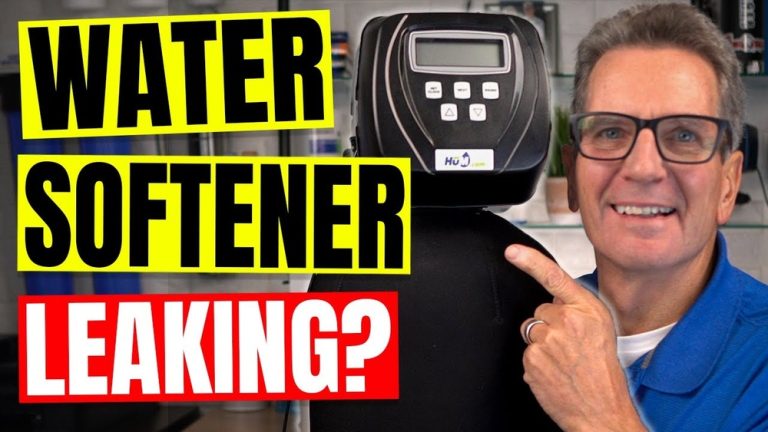

If you’ve ever wondered how to keep your water softener running smoothly or fix it when something goes wrong, knowing where the bypass valve is can save you time and frustration. This small but important part lets you control the flow of water through your system without shutting off your whole house.
You’ll discover exactly where to find the bypass valve on your water softener and why it matters. Keep reading to make sure your water softener works perfectly when you need it most.
Bypass Valve Location
The bypass valve on a water softener controls the water flow. It allows water to skip the softening process. Knowing its location helps during maintenance or repairs. The valve is easy to spot once you know where to look.
Common Placement On Water Softener
The bypass valve usually sits near the main control valve. It often connects the inlet and outlet pipes. This placement lets water flow straight through when bypassed. Many models have a simple lever or knob for this valve. It is usually on the top or side of the tank.
Some systems have a two- or three-valve setup. This design makes it easier to isolate the softener. The bypass valve is part of this group and clearly marked. Its position is always close to the plumbing connections.
Variations By Model And Brand
Different brands place the bypass valve in various spots. Some integrate it into the main control head. Others offer it as a separate valve on the pipes. The design depends on the water softener’s size and type.
Portable or small units may have smaller bypass valves. Larger, whole-house systems often use bigger, sturdier valves. Brands like Fleck, Whirlpool, and GE each have unique setups. Checking the user manual helps find the exact location.

Credit: www.youtube.com
Function Of The Bypass Valve
The bypass valve plays an important role in a water softener system. It controls the flow of water around the softener. This valve helps to stop or allow water to enter the softener unit. It makes maintenance and repairs easier without cutting off water to the whole house.
Understanding how the bypass valve works helps in managing your water system better. It ensures you have soft water when needed and hard water when necessary. This flexibility protects your plumbing and appliances from damage.
Purpose In Water Softening System
The bypass valve allows water to skip the softening process. It helps keep water supply running even during softener service. You can use it to isolate the softener without shutting off water completely. It also prevents water pressure drops while the system is off.
When the valve is open, water flows directly to your taps. This means no salt or resin is used in the process. It helps save salt and extends the life of the softener. The valve ensures smooth operation and easy control of water flow.
When To Use The Bypass Valve
Use the bypass valve during repairs or cleaning of the softener. It stops water from entering the softener without cutting off water to the home. Turn it on if the softener leaks or malfunctions. This prevents water damage and allows quick fixes.
Switch the valve to bypass mode during power outages or softener downtime. It lets water flow without softening temporarily. This keeps your water supply steady. The bypass valve is also useful when testing water hardness or plumbing issues.
How To Identify The Bypass Valve
Identifying the bypass valve on a water softener is simple with the right tips. This valve allows water to skip the softening process. Knowing its location helps during maintenance or repairs.
Physical Characteristics
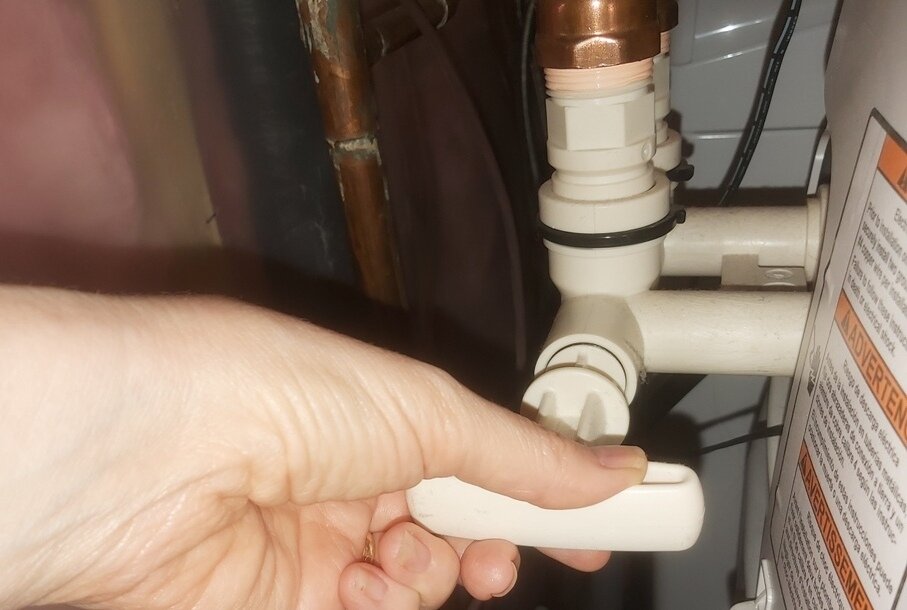
The bypass valve is usually a small, round knob or lever. It is attached near the main control valve. The valve often has two or three ports for water flow. It may be made of plastic or metal. The size is smaller than the main softener body. The valve connects water pipes to the softener system.
Labels And Markings
Most bypass valves have clear labels to show their function. Look for words like “Bypass,” “Softener Bypass,” or “Bypass Valve.” Arrows may indicate the direction of water flow. Some valves have color-coded handles, often red or blue. These labels help avoid confusion during operation or service.
Credit: www.watersmartsystems.com
Steps To Operate The Bypass Valve
Operating the bypass valve on a water softener is simple but important. It controls water flow during maintenance or repairs. Knowing the right steps helps avoid water supply issues. Follow these easy instructions to turn the valve on or off safely.
Turning On And Off
Locate the bypass valve near the softener unit. It usually has a handle or knob. Turn the handle slowly to switch between bypass and service modes. For bypass mode, turn the valve to redirect water around the softener. For service mode, turn it back to allow water through the softener. Make sure the handle aligns with the correct label or mark.
Precautions During Use
Always turn the valve gently to avoid damage. Avoid forcing the handle if it feels stuck. Check for leaks after adjusting the valve. Do not leave the valve in bypass mode for long periods. Bypassing stops water softening and can affect water quality. Keep children and pets away while operating the valve for safety.
Troubleshooting Bypass Valve Issues
The bypass valve on a water softener controls water flow around the system. Problems with this valve can stop soft water from reaching your home. Learning how to spot and fix these issues saves time and money. Here are key points to help troubleshoot bypass valve problems.
Common Problems
One common problem is the valve being stuck in the bypass position. This stops water from entering the softener. Another issue is leaks around the valve seals. These leaks cause water waste and lower water pressure. Sometimes, the valve handle breaks or becomes hard to turn. Dirt and mineral buildup can block valve movement. These issues reduce the softener’s effectiveness.
Maintenance Tips
Check the bypass valve regularly for leaks or damage. Turn the valve handle gently to avoid breaking it. Clean the valve area to remove dirt and minerals. Replace worn seals or O-rings to stop leaks. Test water hardness before and after the valve to ensure it works. Regular maintenance keeps the bypass valve in good condition.
Installing Or Replacing The Bypass Valve
Installing or replacing the bypass valve on a water softener is a key task. This valve controls water flow during maintenance or repair. Proper installation ensures smooth operation and avoids leaks. The process requires simple tools and clear steps. Follow this guide to complete the job safely and effectively.
Tools Needed
- Adjustable wrench
- Screwdriver
- Teflon tape
- Bucket or towels
- Replacement bypass valve
- Pipe cutter (if needed)
Step-by-step Guide
- Turn off the water supply to the softener.
- Open a faucet to drain water from pipes.
- Place a bucket under the valve to catch water.
- Use the wrench to loosen the old bypass valve.
- Remove the valve carefully to avoid damaging pipes.
- Wrap Teflon tape around new valve threads.
- Install the new bypass valve by hand first.
- Tighten the valve with a wrench until snug.
- Turn the water back on slowly and check for leaks.
- Test the bypass function to ensure proper flow control.
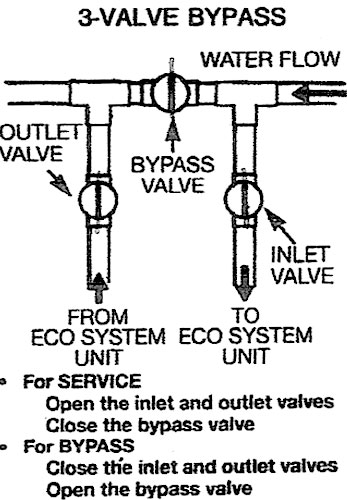
Credit: ecowatersystems.com
Conclusion
Knowing where the bypass valve is helps you control your water softener easily. It lets you stop water from going through the softener when needed. This valve is usually near the main unit, easy to find and use. Understanding its place and function saves time during maintenance.
Keep an eye on it to avoid water flow problems. This small part plays a big role in your water system’s performance. Simple steps can keep your water softener working well. Remember, a working bypass valve means smooth water flow every day.