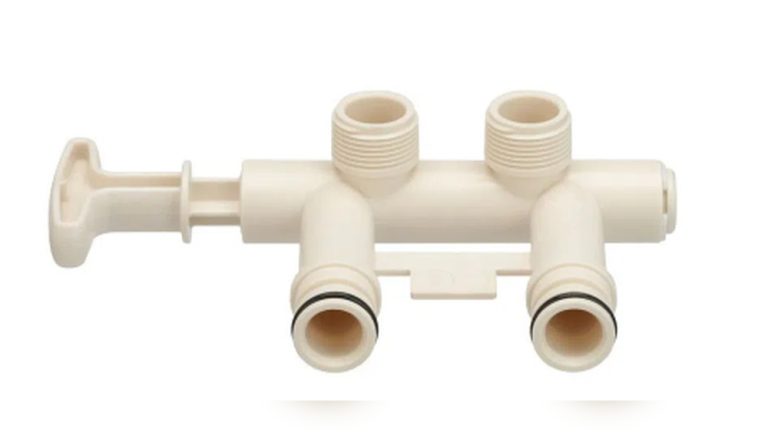

Is your water softener tank leaking from the top? You might be wondering what’s causing this problem and how serious it really is.
A leak can disrupt your water system and lead to costly damage if left unchecked. But don’t worry understanding why this happens and what you can do about it is easier than you think. Keep reading to find out the simple steps you can take to fix the leak and protect your home.
Common Causes Of Top Leaks
Water softener tanks may leak from the top due to several common issues. These leaks can cause water damage and reduce your system’s efficiency. Identifying the exact cause helps fix the problem quickly and saves money.
Leaks at the tank’s top often point to worn or damaged parts. Checking these parts regularly prevents leaks and extends the tank’s life.
Worn Out O-rings
O-rings create a seal between parts of the tank. Over time, they can dry out or crack. This causes water to leak from the top. Replacing old O-rings stops leaks and keeps your system tight.
Loose Tank Brine Valve
The brine valve controls saltwater flow inside the tank. If it becomes loose, water can drip from the top. Tightening this valve fixes most leaks. Always check the valve’s position during maintenance.
Cracked Tank Lid
The tank lid seals the softener from outside elements. A crack in the lid lets water escape. Cracks develop from age or impact. Replacing the lid prevents further leaks and protects the tank.
Identifying The Leak Source
Finding the source of a water softener tank leak is important to stop water waste. Leaks often start at the top of the tank. Pinpointing the exact spot helps fix the problem quickly. This section guides you through simple steps to identify where the leak begins. Follow these checks carefully to spot the issue.
Inspecting Seals And Connections
Check the seals around the tank’s top lid. Look for cracks or worn-out rubber parts. Loose or damaged seals let water escape. Also, examine all pipe connections. Tighten any loose fittings with a wrench. Replace broken or old seals to prevent leaks. Small leaks often come from these areas.
Checking Water Pressure
High water pressure can cause leaks at the tank’s top. Use a pressure gauge to measure it. Normal pressure stays below 80 psi. Pressure above this level stresses seals and pipes. Lower the pressure if it is too high. A pressure regulator can help control it. Maintaining correct pressure prevents leaks from forming.
Detecting Cracks And Damage
Look closely for cracks or holes in the tank’s top section. Use a flashlight to see better. Even small cracks can let water drip out. Tap the tank gently; hollow sounds may mean damage inside. If you find cracks, the tank might need repair or replacement. Fixing damage early stops leaks from getting worse.
Quick Fixes For Top Leaks
Leaks at the top of a water softener tank can cause water damage and waste. Quick fixes often stop leaks fast and save money. Small repairs may be all that is needed to fix the problem. These fixes do not require special tools or skills.
Start with the easiest fixes. Check parts and seals first. Then apply sealant if needed. These steps often solve the issue without calling a plumber.
Tightening Loose Components
Loose parts often cause leaks at the top of the tank. Use a wrench to tighten nuts and bolts gently. Do not overtighten, or parts may break. Check the tank’s fittings and connections carefully. Tightening helps stop water from escaping.
Replacing O-rings And Seals
Old or worn O-rings and seals cause leaks. Turn off the water supply before replacing them. Remove the top cover and locate the damaged seals. Replace with new O-rings that fit your model. Proper seals keep water inside the tank.
Applying Waterproof Sealant
Waterproof sealant stops leaks on small cracks and joints. Clean the area well before applying sealant. Use a sealant made for plumbing or water tanks. Apply a thin layer and let it dry fully. Sealant adds an extra barrier to prevent leaks.
Credit: www.reddit.com
When To Replace Parts
Knowing when to replace parts in your water softener tank is key. Leaks from the top often signal worn or damaged components. Acting early can stop bigger damage and save money. Regular checks help spot issues fast.
Signs Of Severe Wear
Look for cracks or rust on the tank’s top. Water dripping even after turning off the system shows a worn seal. Strange noises or poor water softening also point to damaged parts. These signs mean you should replace parts soon.
Choosing Compatible Replacement Parts
Use parts made for your specific water softener model. Wrong parts can cause leaks or system failure. Check the manufacturer’s guide for correct seals, valves, and fittings. Quality parts last longer and work better.
Proper Installation Tips
Clean the area before installing new parts. Tighten seals and fittings without overdoing it. Follow instructions step-by-step for a good fit. Test the system after installation to ensure no leaks remain.
Preventing Future Leaks
Preventing leaks from the top of your water softener tank is important to keep your system working well. Small leaks can turn into big problems if not stopped early. Taking simple steps can protect your tank and save money on repairs.
Regular Maintenance Schedule
Check your water softener tank every few months. Look for cracks, rust, or any wet spots. Clean the tank and parts to avoid build-up. Replace worn-out seals and parts on time. Regular checks help catch problems before they grow.
Proper Tank Handling
Handle the tank carefully during installation or moves. Avoid dropping or hitting the tank. Use the right tools to tighten connections. Do not overtighten fittings, as this can cause cracks. Gentle handling keeps the tank strong and leak-free.
Water Quality Considerations
Test your water quality regularly. Hard water can cause damage to the tank and parts. Use a pre-filter if needed to reduce minerals and debris. Clean or replace filters as recommended. Good water quality extends the tank’s life and prevents leaks.

Credit: www.reddit.com
Expert Tips For Longevity
Keeping your water softener tank in good shape helps avoid leaks from the top. Simple steps can make the tank last longer. Taking care early saves money and stops water damage. Below are expert tips to keep your water softener tank working well over time.
Routine Inspections
Check the tank often for cracks or wet spots. Look closely at the top where leaks often start. Small leaks can turn into big problems fast. Catching issues early keeps the tank safe and dry. Use a flashlight to see hard areas clearly. Note any signs of wear or rust immediately.
Professional Servicing
Have a water softener expert inspect your system yearly. Pros know what to look for to stop leaks. They can clean parts and fix minor faults. Professional checks keep the tank running smoothly. Avoid skipping this step to prevent bigger repairs later.
Using Quality Components
Choose strong parts made to fit your tank perfectly. Low-quality parts wear out fast and cause leaks. Good seals, valves, and fittings keep water inside the tank. Investing in quality parts saves time and effort later. Always replace broken parts with the right materials.
Credit: mortonwatersofteners.zendesk.com
Frequently Asked Questions
Why Is My Water Softener Tank Leaking From The Top?
A leak from the top often indicates a faulty air check valve or damaged distributor tube. These parts control water flow and pressure. Replace the defective component promptly to avoid further damage and water wastage.
How Can I Fix A Leaking Water Softener Tank Top?
First, turn off the water supply and unplug the unit. Inspect the top valve and seals for damage. Tighten loose fittings or replace worn parts. If unsure, contact a professional plumber for safe and effective repair.
Can A Leaking Water Softener Cause Water Damage?
Yes, leaks can lead to water damage around your unit. Prolonged leaks may harm floors and walls. Address leaks quickly to prevent costly repairs and maintain a healthy home environment.
How Do I Prevent My Water Softener From Leaking?
Regularly inspect valves and seals for wear. Clean and maintain the unit as recommended by the manufacturer. Promptly replace any damaged parts to keep your water softener leak-free and efficient.
Conclusion
A leaking water softener tank can cause many problems at home. Fixing the leak quickly saves water and prevents damage. Check the tank’s top regularly for cracks or loose parts. Tighten connections and replace worn seals as needed. Small issues can turn into big repairs if ignored.
Keep your water softener working well for clean, soft water. Don’t let a simple leak turn into a costly problem. Take action early and protect your home’s water system.