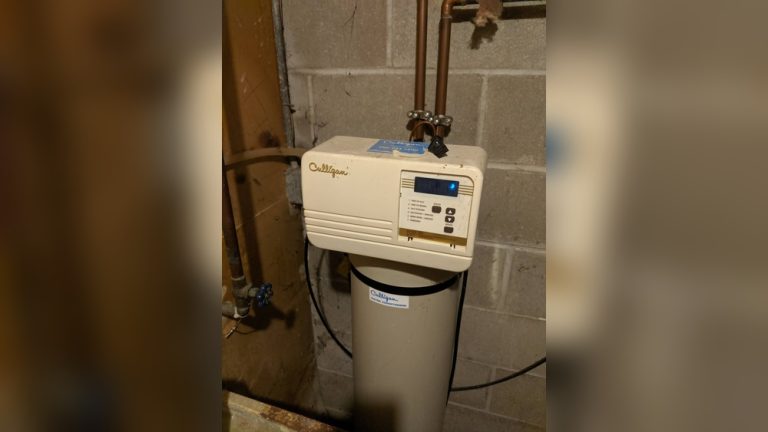

Is your Kenmore water softener leaking from the top? This can be frustrating and worrying, especially when you rely on your system for clean, soft water every day.
You might be wondering what’s causing the leak and how to fix it before it gets worse. You’ll discover the most common reasons behind this problem and simple steps you can take to stop the leak quickly. Keep reading—you’ll be glad you did when your water softener works perfectly again.
Credit: jimlaurwilliams.org
Common Causes Of Top Leaks
Leaks from the top of a Kenmore water softener are common issues. These leaks cause water to drip or pool around the device. Identifying the cause helps you fix the problem quickly. Several parts may wear out or break, leading to leaks.
Below are the main reasons why your water softener may leak from the top.
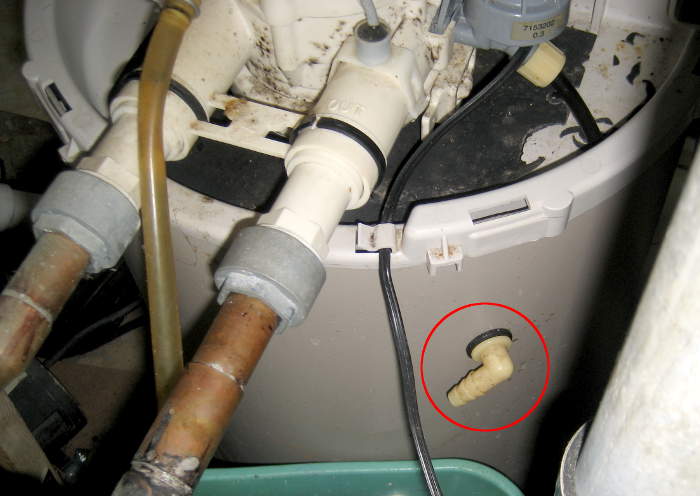
Worn Or Damaged O-rings
O-rings create a tight seal inside the water softener. Over time, they can wear out or crack. This wear allows water to escape and cause leaks. Replacing old O-rings often stops the leak and restores proper function.
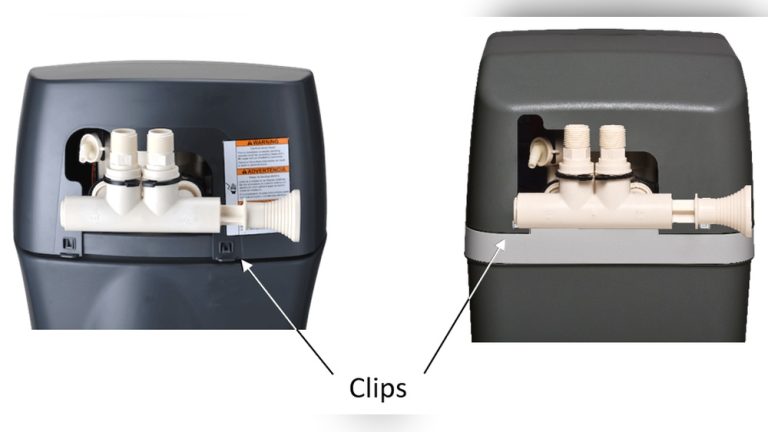
Loose Or Cracked Valve Assembly
The valve assembly controls water flow inside the softener. If it becomes loose or cracks, water can leak from the top. Tightening or replacing the valve assembly can fix this issue. Regular checks prevent leaks caused by valve problems.
Faulty Distributor Tube
The distributor tube spreads water evenly inside the softener tank. A damaged or broken tube may cause leaks at the top. Inspect the tube for cracks or blockages. Replacing a faulty distributor tube often stops the leak.
High Water Pressure Issues
Excessive water pressure can stress the softener’s seals and parts. This pressure leads to leaks from the top area. Installing a pressure regulator can protect the softener. Keep water pressure within the recommended range to avoid leaks.

Credit: www.reddit.com
Identifying Leak Sources
Finding the source of a leak in a Kenmore water softener can save time and money. Knowing where the water escapes helps fix the problem quickly. Leaks from the top of the unit may come from several parts. Careful checking reveals the exact spot causing the drip or spray. This section explains how to identify leak sources safely and clearly.
Visual Inspection Tips
Start by looking closely at the top of the water softener. Check for water drops, wet spots, or corrosion. Look under the control valve and around the bypass valve. Use a flashlight for dark or hard-to-see areas. Notice any cracks or loose parts. Small signs often point to the leak location. Clean the area before inspection to spot fresh water better.
Using Water Leak Detectors
Water leak detectors help find hidden leaks. Place them near the top of the softener. These devices beep or alert you when water touches them. They work well in tight spaces and behind the unit. Use detectors with batteries to avoid cord problems. This tool adds safety and speed to your inspection process.
Checking Valve Connections
Valve connections often cause leaks in water softeners. Examine all hoses and fittings on the top valve. Make sure each connection is tight but not over-tightened. Look for worn or cracked seals and replace them if needed. Turn off the water supply before adjusting valves. Proper valve care stops leaks and keeps your system working well.
Step-by-step Repair Guide
Fixing a Kenmore water softener leaking from the top can seem tough. This step-by-step repair guide breaks down the process. Follow each step carefully. This will help stop the leak and keep your softener working well.
Shutting Off Water Supply
Start by turning off the water supply to the softener. Locate the main water valve near the unit. Turn it clockwise to close it. This stops water from flowing into the softener. Open a nearby faucet to drain any water left in the pipes. This reduces pressure and prevents spills during repair.
Removing The Control Valve
Next, remove the control valve on top of the softener tank. Unscrew the valve carefully by hand or with a wrench. Keep track of all screws and small parts. Gently lift the valve away from the tank. Place it on a clean surface for repair. Avoid forcing it, which could cause damage.
Replacing O-rings And Seals
Inspect the O-rings and seals inside the control valve. These parts often cause leaks when worn or cracked. Remove old O-rings with a small flat tool. Clean the valve parts with a soft cloth. Apply a thin layer of silicone grease to new O-rings. Install new seals carefully in the correct spots. Proper sealing stops water leaks effectively.
Reassembling And Testing
Put the control valve back on the softener tank. Tighten screws securely but avoid overtightening. Turn the water supply back on slowly. Watch the valve area closely for any leaks. Run the softener through a cycle to check proper function. If no leaks appear, the repair is successful.
Preventing Future Leaks
Preventing future leaks from the top of your Kenmore water softener helps save water and money. Small leaks can cause bigger problems if ignored. Taking simple steps can keep your system running smoothly. Regular checks and care extend the life of your water softener.
Regular Maintenance Schedule
Set a regular maintenance schedule for your Kenmore water softener. Clean the brine tank and resin bed every few months. Check for salt bridges or clogs that block water flow. Replace worn parts before they cause leaks. A steady maintenance routine prevents many common issues.
Using Water Pressure Regulators
Install a water pressure regulator to control the water flow into your system. High water pressure can stress seals and joints. This stress often leads to leaks at the top of the softener. A regulator keeps pressure steady and protects your equipment from damage.
Inspecting Parts Periodically
Look over the water softener parts regularly for signs of wear or damage. Check hoses, fittings, and the control valve carefully. Replace cracked or brittle parts right away. Small cracks can cause leaks that worsen over time. Frequent inspections catch problems early.
When To Call A Professional
Knowing when to call a professional for your Kenmore water softener is important. Some problems need expert help to avoid damage or costly repairs. Acting quickly can protect your home and save time.
Complex Mechanical Failures
Some leaks come from broken parts inside the unit. These failures can be hard to find and fix. Professionals have tools and skills to handle complex mechanical problems. Trying to repair these issues alone may cause more damage.
Persistent Leak Issues
Leaks that keep coming back need expert attention. A professional can identify the root cause and fix it properly. They can also test the system to ensure no other problems exist. This stops leaks before they cause serious damage.
Warranty And Service Options
Your Kenmore water softener may still be under warranty. Calling a professional ensures repairs follow the warranty rules. They know the right steps to keep your warranty valid. Also, professionals offer service plans to keep your system running well.
Credit: kenmorewatersolutions.zendesk.com
Frequently Asked Questions
Why Is My Kenmore Water Softener Leaking From The Top?
A leak from the top often indicates a damaged or loose valve or seal. Check the valve cover and O-rings for wear or cracks. Tighten fittings and replace faulty parts to stop the leak effectively.
How Can I Fix A Leaking Valve On Kenmore Softener?
Turn off the water supply and unplug the unit. Inspect the valve for cracks or damage. Replace worn O-rings or seals, and tighten all connections. This usually resolves most top leaks on Kenmore water softeners.
What Causes Kenmore Water Softener To Leak At The Resin Tank?
Leaks at the resin tank top are often due to a cracked tank or loose bypass valve. Inspect the tank for damage and ensure the bypass valve is properly sealed and tightened.
Can A Clogged Drain Line Cause Kenmore Softener Leaks?
Yes, a clogged drain line can cause back pressure, leading to leaks from the top. Clean or replace the drain line to restore proper drainage and prevent leaks.
Conclusion
A Kenmore water softener leaking from the top needs quick attention. Check the tank, valves, and seals for any damage. Tighten loose parts carefully to stop leaks. Regular maintenance helps keep your softener working well. Small leaks can turn into bigger problems fast.
Fix issues early to save time and money. Keep your water softener clean and check it often. A well-maintained unit means softer water and fewer repairs. Don’t ignore leaks; they signal something needs fixing. Act now to protect your home and enjoy soft water longer.