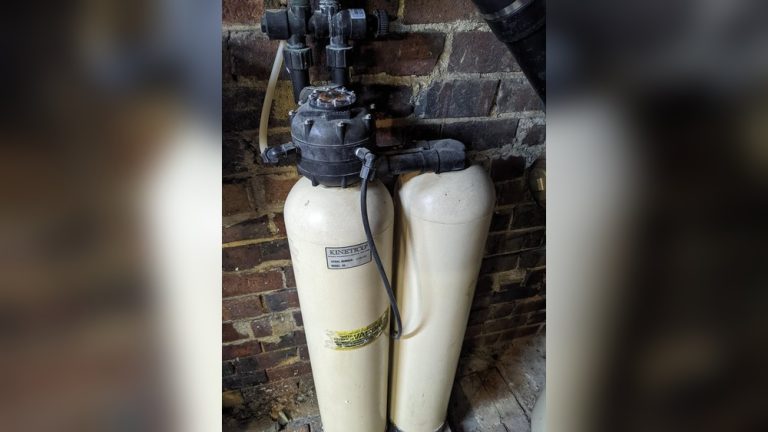

Is your water softener making noise and disrupting your peace? You might be wondering what’s causing that unusual sound and if it means something is wrong.
Don’t ignore it—those noises could be a sign that your system needs attention. You’ll discover the common reasons behind the noise and simple steps you can take to fix it. Keep reading to protect your water softener and enjoy quiet, clean water again.

Credit: www.youtube.com
Common Noise Types
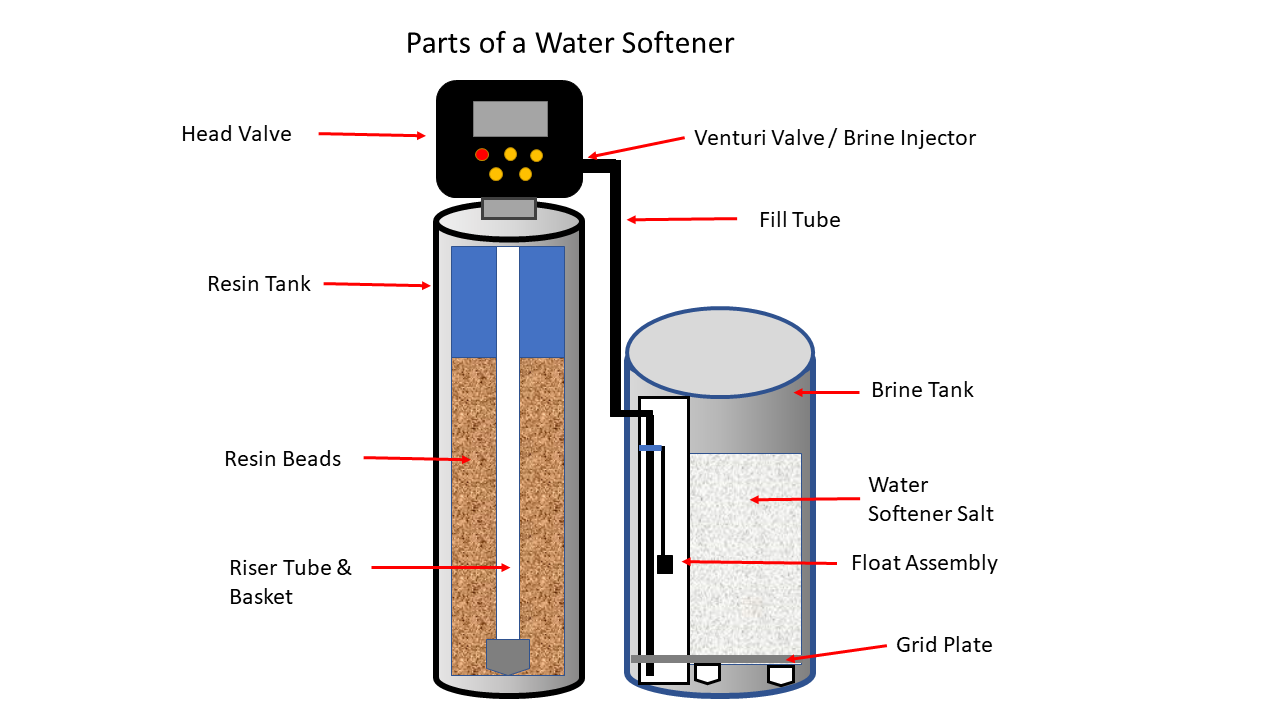
Water softeners can make different noises during their operation. These sounds often show what is happening inside the machine. Understanding common noise types helps to spot problems early.
Some noises are normal, while others mean there is an issue. Here are the most common noise types you might hear from your water softener.
Grinding Sounds
Grinding sounds often come from worn-out parts inside the softener. This noise may happen during the regeneration cycle. It can mean the gears or motor are damaged. Ignoring grinding sounds can cause more harm to the system.
Hissing Or Whistling
Hissing or whistling sounds usually come from water flow or air in the pipes. This noise may occur if the valves are not fully open or closed. It can also mean a small leak or blockage exists. These sounds are often easy to fix.
Banging Or Knocking
Banging or knocking noises happen when water pressure is too high or pipes are loose. The noise may occur when the softener starts or stops. It can also mean the resin tank is shaking. Tightening pipes and adjusting pressure often stop these sounds.
Credit: www.watersmartsystems.com
Reasons Behind Noises
Water softeners sometimes make noises that catch your attention. These sounds often signal an issue inside the system. Understanding the reasons behind these noises helps solve the problem quickly. It also keeps your water softener working well for a long time.
Air In The System
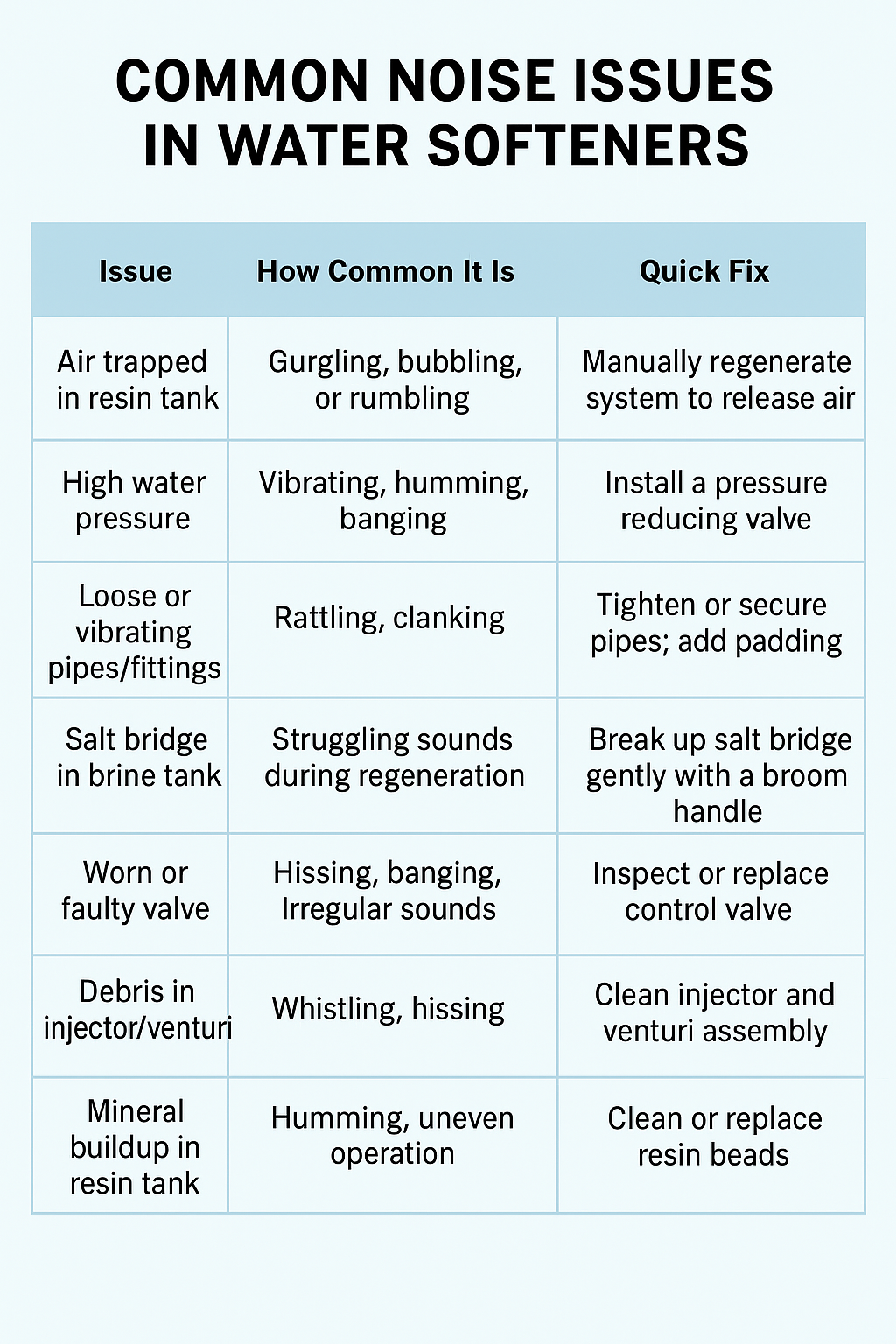
Air trapped inside the water softener can cause loud noises. This happens when air enters through pipes or during maintenance. The air moves with the water and creates bubbling or knocking sounds. Releasing the trapped air often stops the noise.
Salt Bridges Or Mushing
Salt bridges form when salt hardens in the tank. They cause unusual noises during the water softening process. Mushing happens if salt breaks into a thick sludge. Both block water flow and make the system work harder, causing sounds.
Worn Or Loose Parts
Old or loose parts can rattle or vibrate inside the softener. Small screws or seals may loosen over time. Moving parts like pistons or valves wear down too. Tightening or replacing these parts reduces noise instantly.
High Water Pressure
Excessive water pressure creates strong water flow inside the softener. This rush causes banging or hammering sounds in pipes and valves. Lowering the water pressure to the recommended level stops these noises.
Motor Or Valve Issues
The motor and valves control water flow and regeneration cycles. When they fail or struggle, strange sounds occur. Grinding, buzzing, or clicking noises often come from motor or valve problems. Repairing or replacing these parts is necessary.
Easy Fixes To Try
Water softeners can make noise for several simple reasons. Most causes are easy to fix at home. Trying these fixes can save time and avoid costly repairs. Each fix targets a common issue that leads to noise. Follow the steps carefully for best results.
Releasing Trapped Air
Air trapped inside the system often causes rattling sounds. Turn off the water supply and open a faucet. Let the water run for a few minutes. This helps release trapped air from the pipes. Also, check the air vent on the softener unit. Clear any blockages to allow air to escape freely.
Breaking Salt Bridges
Salt bridges form hard layers inside the brine tank. These cause unusual noises during regeneration cycles. Use a broom handle or stick to gently break the salt layer. Avoid using sharp tools that can damage the tank. Remove any large clumps of salt to restore smooth operation.
Tightening Loose Components
Loose parts often cause banging or vibrating noises. Inspect the water softener’s valves, screws, and bolts. Use a wrench or screwdriver to tighten any loose pieces. Pay special attention to the control valve and brine tank connections. Secure parts reduce noise and improve efficiency.
Adjusting Water Pressure
High water pressure can create loud noises in the softener. Check the home’s water pressure using a gauge. Ideal pressure is usually between 40 and 60 psi. Lower the pressure by adjusting the pressure regulator. This simple step can stop knocking or humming sounds.
Cleaning Or Replacing Parts
Dirt and wear cause many water softener noises. Clean the resin tank and brine tank regularly. Remove debris and buildup from filters and valves. Replace worn parts like seals, valves, or the control head as needed. Clean parts work quietly and last longer.
Credit: www.watersmartsystems.com
When To Call A Pro
Water softeners can make noises sometimes. Some sounds are normal during operation. Others signal a problem needing expert help. Knowing when to call a pro saves time and avoids damage.
Persistent Noises After Fixes
Quiet fixes sometimes fail to stop noises. If you try basic repairs but sounds stay, call a professional. Persistent noises mean internal parts may be worn or loose.
Complex Mechanical Problems
Water softeners have many moving parts. Gears, valves, and pistons can break or jam. Complex mechanical issues need special tools and skills. A trained technician can diagnose and repair these safely.
Electrical Or Motor Concerns
Electric motors power many softeners. Strange sounds from motors or wiring problems are serious. Electrical faults can cause further damage or risk safety. Only a professional should handle electrical repairs.
Preventive Tips
Preventive care helps keep your water softener quiet and working well. Small checks and proper care stop noise and extend its life. Follow easy steps to avoid common problems. Regular attention saves time and money on repairs.
Regular Maintenance Schedule
Set a routine for water softener care. Check the unit every month. Clean the brine tank and remove debris. Replace worn-out parts quickly. Staying consistent prevents buildup and noise.
Using The Right Salt Type
Choose salt designed for water softeners. Avoid rock salt, which contains impurities. Use high-purity salt pellets or crystals. Proper salt prevents clogging and noisy operation. Check salt levels often to keep the system running smooth.
Monitoring Water Pressure
Keep water pressure within recommended limits. High pressure can cause noise and damage. Use a pressure gauge to check regularly. Adjust pressure with a regulator if needed. Proper pressure protects the softener and your pipes.
Inspecting Components Periodically
Look at all parts of the softener often. Check valves, timers, and hoses for wear or leaks. Tighten loose fittings to stop rattling sounds. Replace damaged parts early to avoid bigger issues. Regular inspections keep noise low and performance high.
Conclusion
A noisy water softener can be annoying and worrying. Simple checks often find the cause fast. Cleaning or adjusting parts usually stops the noise. Regular care keeps your system quiet and working well. Don’t ignore sounds; small problems can grow bigger.
Stay calm and follow easy steps to fix it. Your water softener should run smooth and silent. Quiet water means better comfort at home. Keep it healthy, and enjoy soft water every day.