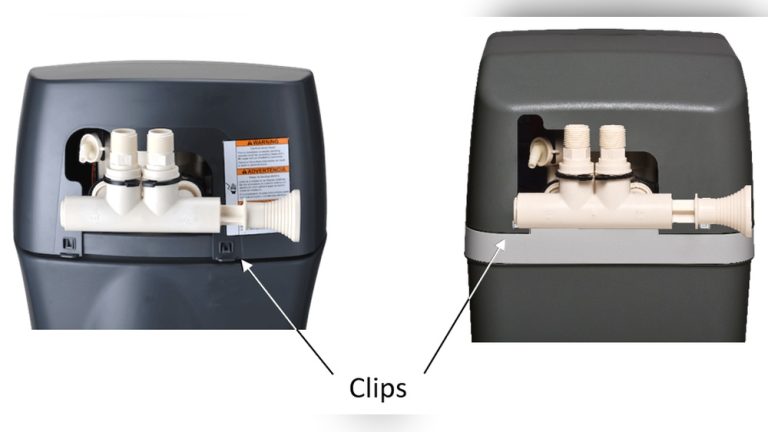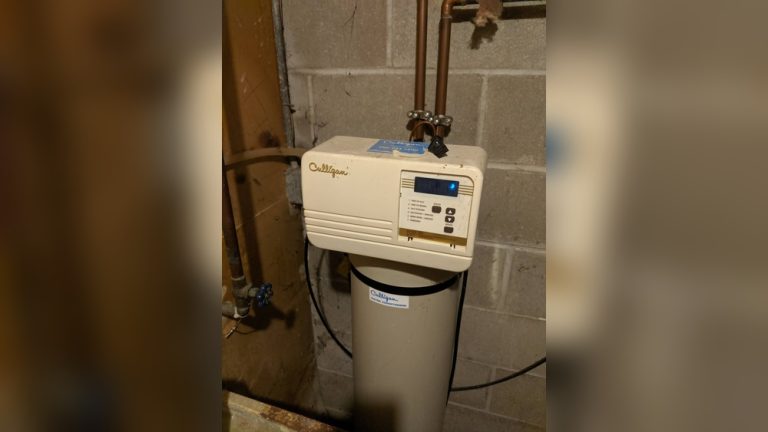

Is your water softener not softening your water like it used to? You rely on it to keep your water smooth, your appliances safe, and your skin feeling fresh.
When it stops working, it can be frustrating and confusing. You might wonder if it’s broken or if there’s something you’re missing. Don’t worry—this article will help you understand why your water softener isn’t doing its job and show you easy steps to fix it.
Keep reading to get your soft water flowing again!
Credit: www.energy.gov
Common Causes Of Hard Water
Hard water causes many problems in homes. It leaves spots on dishes and makes soap less effective. Understanding why water is hard helps to fix these issues. The main causes relate to minerals and the water source.
High Mineral Content
Hard water has a high amount of minerals. Calcium and magnesium are the most common. These minerals come from rocks and soil. Water passes through these materials and picks up the minerals. High mineral content makes water hard and difficult to soften.
Water Source Issues
The source of water affects its hardness. Groundwater often has more minerals than surface water. Wells and springs usually contain higher mineral levels. Urban water supplies can also vary in hardness. Knowing the water source helps understand why softeners may fail.
Signs Your Softener Is Failing
Knowing the signs that your water softener is failing helps prevent hard water damage. A softener that stops working means hard water minerals remain in your water. This can cause many daily problems that affect your home and health.
Spotty Dishes And Glassware
Hard water leaves spots and streaks on dishes and glasses. If your softener fails, these spots become more visible. You may see cloudy or white marks after washing. This shows minerals are not being removed properly.
Soap Scum And Residue
Soap does not lather well in hard water. Failed softeners cause soap scum on sinks, tubs, and showers. You might notice a sticky or filmy layer that is hard to clean. This residue builds up faster than usual.
Skin And Hair Problems
Hard water can dry out your skin and hair. When softeners fail, skin may feel itchy or rough. Hair can become dull and lifeless. These problems happen because minerals are still in your water supply.
Checking Salt Levels
Checking salt levels is a key step when your water softener is not softening water. Salt helps the system remove hardness minerals from the water. Low or bad salt can stop the softener from working well. Regular checks keep the water softener running smoothly.
Salt Type And Quality
Not all salt is the same. Use high-quality salt made for water softeners. Avoid rock salt with many impurities. Pure salt dissolves better and cleans the resin inside the softener. This keeps the system efficient and extends its life.
Choose salt pellets or crystals designed for your softener. These forms reduce buildup and work faster. Cheap or wrong salt may cause problems and reduce softening ability.
Salt Bridging And Mushing
Salt bridging happens when salt forms a hard crust in the tank. This crust blocks salt from reaching the water. The softener cannot regenerate properly without enough salt in the brine tank.
Salt mushing is another problem. It forms a thick sludge at the bottom of the tank. This sludge also stops salt from dissolving. Both bridging and mushing reduce the softener’s performance.
Check the salt tank for any hard layers or sludge. Break up salt bridges carefully with a broom handle. Remove mushy salt to restore proper function. Keeping salt loose and fresh helps the softener work better.
Inspecting The Resin Tank
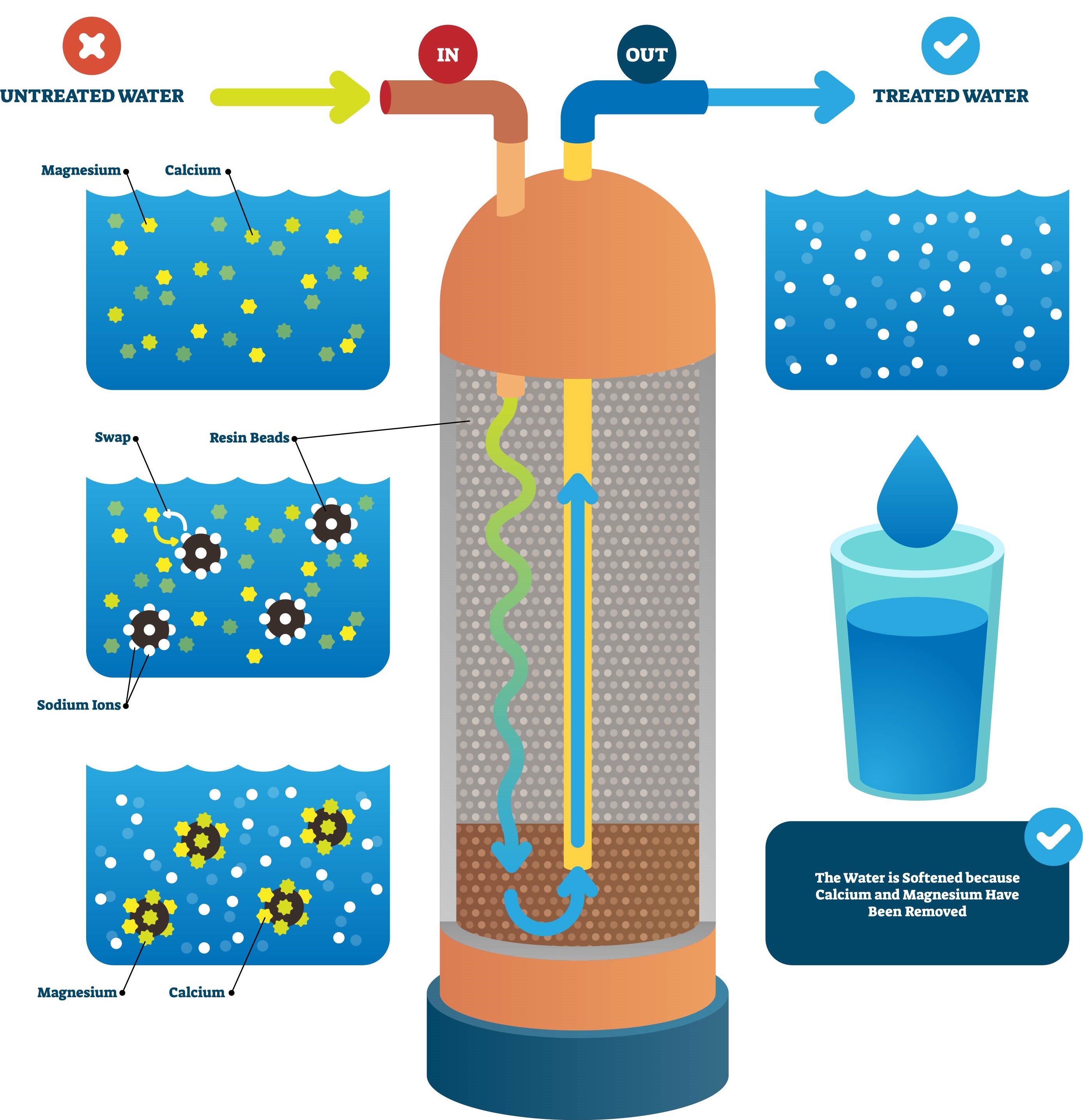
The resin tank is the heart of your water softener. It holds tiny resin beads that remove hard minerals from water. Checking this tank helps find why the water is not softening.
Small problems inside the resin tank can stop softening. Dirt, worn beads, or a dirty resin bed can cause issues. Careful inspection can reveal these problems.
Resin Bead Wear And Tear
Resin beads catch calcium and magnesium in hard water. Over time, these beads break down and lose their power. Worn beads look dull or cracked. They do not soften water well.
Old resin beads need replacement. This restores the softener’s ability to clean hard water. Checking bead condition is a key step.
Cleaning The Resin Bed
The resin bed can get clogged with dirt and iron. A dirty bed blocks water flow and reduces softening. Cleaning removes buildup and restores flow.
Use resin cleaner designed for water softeners. Pour it into the tank and follow instructions. Regular cleaning keeps the resin bed in good shape.
Regeneration Cycle Issues
The regeneration cycle plays a key role in a water softener’s ability to soften water. This cycle cleans the resin beads inside the softener. These beads capture hard minerals like calcium and magnesium. Without proper regeneration, the beads become full and cannot soften water effectively. Problems with the regeneration cycle often cause water to stay hard.
Understanding how the cycle works helps spot issues early. The timing and frequency of regeneration affect how well the softener works. If the cycle runs too rarely or too often, the softener may not work right. Adjusting the regeneration can fix many softening problems.
Cycle Frequency And Timing
Softener systems need the right regeneration schedule. This depends on water hardness and usage. Too few cycles leave minerals on the resin beads. Too many cycles waste salt and water. Most systems regenerate every few days. Some use a timer, others sense hardness.
Check the softener settings to match your water needs. If water stays hard, the cycle may be off. Adjust the frequency to clean beads before they clog. Also, consider the time of day the cycle runs. Night is best to avoid water use during regeneration.
Manual Regeneration Tips
Manual regeneration can help if the automatic cycle fails. It forces the softener to clean the resin beads. Start by turning the control valve to the manual setting. Follow the manufacturer’s instructions carefully.
Manual regeneration uses salt and water to flush minerals. It usually takes an hour or two. After completion, check if water feels softer. Regular manual regeneration can keep the softener working well. It also helps during power outages or sensor errors.
Credit: www.theplumberguy.com
Bypass Valve And Plumbing Checks
Checking the bypass valve and plumbing is key when a water softener stops softening water. These parts control water flow and help the softener work properly. Small issues can cause big problems in water softness.
Bypass Valve Position
The bypass valve lets water flow around the softener. It should be open for water to get treated. If the valve is in bypass mode, water skips the softener. This makes hard water flow through your pipes.
Check the valve position carefully. Turn it back to the softening mode if needed. This simple step often fixes the problem fast.
Leaks And Blockages
Leaks or blockages can stop water from reaching the softener. Look for drips or wet spots near pipes and connections. These signs show leaks that reduce water pressure.
Blockages also stop water flow. Dirt or debris can clog pipes or valves. Clean or replace parts as needed. Clear pipes help soft water flow smoothly to your taps.
Diy Fixes To Try
Water softeners may stop working properly for many reasons. Some problems you can fix yourself. Trying a few simple steps can save time and money. Here are easy DIY fixes to try before calling a professional.
Resetting The System
First, check your softener’s control panel. Resetting it can fix simple errors. Unplug the unit for 5 minutes. Plug it back in and follow the manual’s reset steps. This often clears minor glitches and restores normal function.
Cleaning The Brine Tank
Salt buildup can block the brine tank. Empty the tank and remove old salt. Clean the inside with warm water and mild soap. Rinse well to avoid soap residue. Refill with fresh salt. A clean tank helps your softener work better.
Flushing The Softener
Flushing removes trapped debris inside the system. Locate the bypass valve and turn it off. Run water through the softener to clear clogs. Follow the manufacturer’s guide for proper flushing steps. Regular flushing keeps your softener efficient.

Credit: www.youtube.com
When To Call A Professional
Knowing when to call a professional for your water softener saves time and frustration. Some problems need expert skills and tools. Attempting repairs without experience can cause more damage. Professionals can quickly identify and fix hidden issues. They ensure your system works correctly and lasts longer.
Complex Repairs
Water softeners have many parts that can break. Problems with the control valve or resin tank are tricky. These parts need special knowledge to fix. Professionals handle complicated repairs safely and properly. They use the right tools to avoid errors. Calling a technician stops small issues from getting worse.
System Replacement Advice
Sometimes repairing is not the best choice. Older systems may need full replacement. Professionals assess your water quality and system condition. They suggest if replacing saves money and headaches. Experts help pick a new system that fits your home. They install it correctly for the best results.
Frequently Asked Questions
Why Is My Water Softener Not Softening Water?
Your water softener may have a salt bridge, clogged resin, or a programming issue. Check salt levels and settings first.
How Do I Fix A Water Softener Not Softening?
Start by inspecting salt levels and removing salt bridges. Clean resin beads if needed and reset the system.
Can Low Salt Cause Water Softener Failure?
Yes, low salt prevents proper ion exchange, stopping the softener from removing hardness minerals effectively.
How Often Should I Regenerate My Water Softener?
Regenerate your water softener every 2 to 3 days or according to water hardness and usage.
Conclusion
A water softener that does not soften water needs quick attention. Check the salt level and clean the system regularly. Hard water problems will continue if the softener is faulty. Regular maintenance keeps your water soft and your home safe.
Simple fixes often solve the issue without extra cost. Keep your water softener working well for better water every day. Don’t let hard water damage your pipes and appliances. Take small steps now to enjoy soft water again.