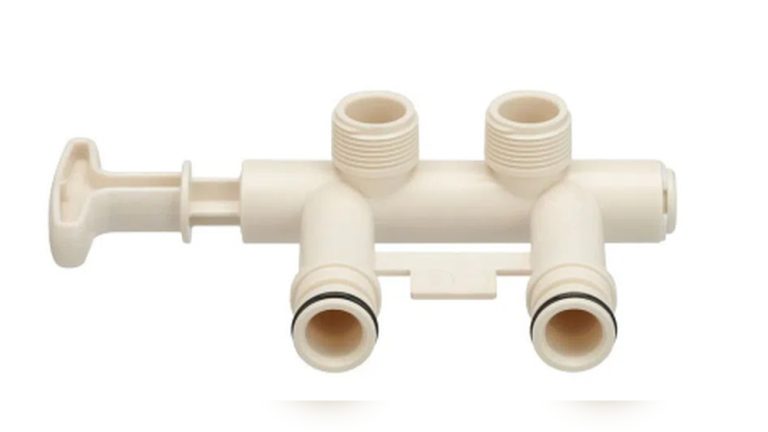

Is your water softener tank leaking from the bottom? If you’ve noticed water pooling around your unit, it’s a sign that something isn’t right—and ignoring it could lead to bigger problems.
You might be wondering what’s causing the leak and how to fix it quickly before your home suffers damage. You’ll discover the common reasons behind these leaks and easy steps you can take to stop the drip. Keep reading to protect your water system and save yourself time and money.
Common Causes Of Bottom Leaks
Water softener tanks leaking from the bottom is a common issue. Several factors cause these leaks. Understanding these causes helps in quick repair and prevention. Below are the main reasons for bottom leaks in water softener tanks.
Worn Out Tank O-rings
O-rings seal the connections inside the tank. Over time, they wear out or crack. This wear causes water to leak from the bottom. Checking and replacing old O-rings can stop leaks fast.
Cracked Resin Tank
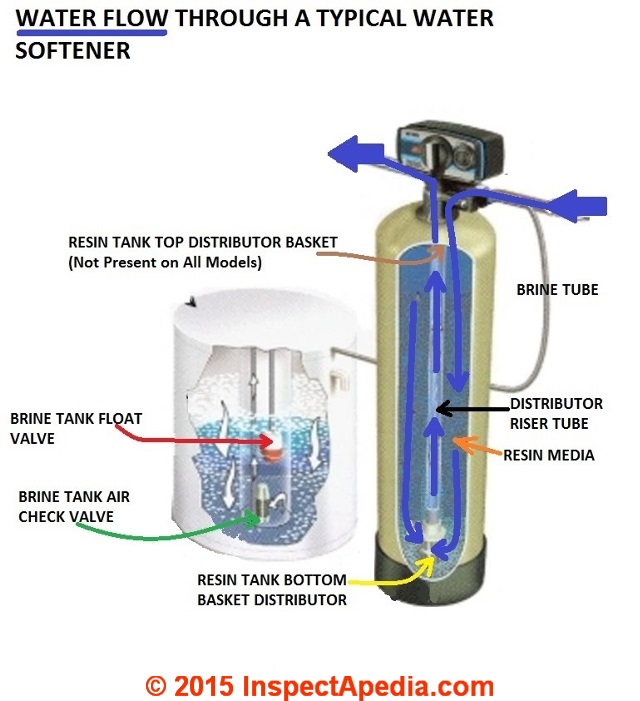
The resin tank holds special beads that soften water. Cracks can develop due to pressure or age. Even a small crack lets water escape from the tank base. Inspect the tank regularly for any visible damage.
Loose Drain Line Connection
The drain line removes waste water from the softener. A loose connection allows water to drip at the bottom. Tightening the drain line fitting can fix the leak quickly. Always ensure the line is secure.
Faulty Valve Assembly
The valve controls water flow inside the system. Faulty valves can leak water near the tank bottom. Signs include dripping or pooling water around the base. Repair or replace faulty valves to prevent damage.

Credit: www.reddit.com
Immediate Steps To Prevent Damage
Noticing water leaking from the bottom of your water softener tank can be stressful. Acting fast helps stop more damage to your home. Take simple, clear steps right away to control the leak and protect your space.
Shut Off Water Supply
Stop the water flow to the softener. Find the main water valve or the valve near the tank. Turn it off completely. This step stops more water from leaking out. It helps prevent flooding and water damage.
Unplug The Unit
Safety first. Unplug the water softener from the power source. This reduces the risk of electric shock. It also protects the machine from short circuits. Keep the area dry and avoid touching the unit with wet hands.
Contain The Leak Area
Place a bucket or pan under the leak. Use towels or rags to soak up spilled water. This prevents water from spreading to floors and walls. Clear the area around the tank to avoid slipping or accidents.
Quick Fixes For Minor Leaks
Minor leaks at the bottom of a water softener tank can cause frustration. Many leaks happen due to small issues. Fixing these quickly can save water and prevent bigger problems. Simple tools and parts often solve the issue without expert help.
Tightening Loose Connections
Loose connections often cause leaks around the tank base. Check all fittings carefully. Use a wrench to tighten any loose nuts or bolts. Avoid overtightening to prevent damage. Tight connections stop water from dripping out.
Replacing O-rings
O-rings seal joints and prevent leaks. Over time, they wear out or crack. Turn off the water supply before starting. Remove the old O-ring gently. Replace it with a new one of the same size. This simple swap can stop leaks fast.
Using Sealant Tape
Sealant tape, also called plumber’s tape, helps seal threaded joints. Wrap the tape around the threads of pipes or fittings. Make sure to wrap it clockwise for a tight seal. This tape blocks water from leaking through small gaps. It is easy and quick to apply.
Credit: inspectapedia.com
When To Replace The Tank
Knowing when to replace a water softener tank is key to avoiding bigger problems. A leaking tank can cause water damage and reduce the system’s performance. Some signs mean repair is not enough, and a new tank is needed. Understanding these signs helps you decide the best step to take.
Signs Of Irreparable Cracks
Look for water pooling near the tank base. Cracks that leak from the bottom often mean the tank is beyond repair. Rust or corrosion spots around the leak show the damage is spreading. Softening resin inside the tank can be lost through cracks. These signs mean the tank cannot hold water properly and must be replaced.
Age And Wear Factors
Most water softener tanks last 10 to 15 years. Older tanks develop wear from constant pressure and water flow. Materials weaken over time, causing leaks and cracks. If your tank is over 10 years old and leaking, replacement is better than repair. New tanks have improved materials that last longer and work better.
Cost Vs. Repair Considerations
Repairing a leaking tank can be costly and temporary. Sometimes the repair costs approach the price of a new tank. A new tank gives peace of mind and better performance. Consider repair only if the leak is small and the tank is young. Otherwise, replacement saves money and trouble in the long run.
Preventive Maintenance Tips
Preventive maintenance helps stop leaks from the bottom of your water softener tank. Small problems can turn into big repairs. Taking simple steps keeps your system running longer and saves money. Regular care also ensures clean, soft water for your home.
Regular Inspection Schedule
Check the water softener tank every month. Look for wet spots or puddles near the base. Listen for unusual sounds during regeneration cycles. Inspect valves and fittings for cracks or looseness. Early detection of leaks prevents major damage.
Proper Installation Practices
Set the tank on a firm, level surface to avoid stress on joints. Use correct fittings and tighten them properly without overdoing it. Follow the manufacturer’s guide for pipe connections. Secure the tank to prevent tipping or movement. Good installation reduces leak risks.
Water Quality Monitoring
Test your water regularly to check hardness and contaminants. High mineral levels can wear down the tank and valves. Use a water softener that suits your water type. Clean or replace filters as needed. Maintaining water quality helps protect your system.
Choosing Professional Help
Choosing professional help is important for fixing a water softener tank leaking from the bottom. A skilled technician can find the problem quickly and fix it properly. This saves time and prevents more damage to your system. Professionals have the right tools and experience to handle leaks safely.
Hiring the right expert ensures your water softener works well again. It avoids costly mistakes and keeps your home safe. Take time to find a technician who knows about water softeners and offers reliable service.
Finding A Certified Technician
Start by searching for certified technicians in your area. Certification shows they have training and follow industry standards. Check online reviews and ask for recommendations from friends or family. A certified technician has the skills needed to fix leaks correctly.
Questions To Ask Before Hiring
Ask about the technician’s experience with water softener tanks. How long have they worked in this field? Inquire about warranties or guarantees on repairs. Request a clear explanation of the repair process. Make sure they offer written estimates before starting work.
Expected Repair Costs
Repair costs depend on the leak size and damage extent. Minor leaks might cost less, while bigger problems can be pricier. Expect to pay for parts and labor. Get several quotes to compare prices. Avoid choosing only the cheapest option; quality matters most.
Credit: terrylove.com
Frequently Asked Questions
Why Is My Water Softener Tank Leaking From The Bottom?
A leak at the bottom usually means a crack or loose fitting. Check for damaged seals, worn-out valves, or corrosion causing water to escape.
How Can I Fix A Leaking Water Softener Tank?
First, turn off the water supply. Inspect seals and connections. Tighten fittings or replace damaged parts to stop the leak.
Will A Leaking Water Softener Tank Cause Damage?
Yes, leaks can damage flooring and walls. It may also reduce water softener efficiency and increase water bills.
Can I Prevent Water Softener Tank Leaks?
Regular maintenance and inspections help detect issues early. Clean tanks, replace worn parts, and avoid hard impacts to prevent leaks.
Conclusion
A leaking water softener tank needs quick attention. Small leaks can cause big damage over time. Check the tank regularly for cracks or holes. Fix leaks early to save money and avoid water waste. Clean and maintain your system to keep it working well.
Call a professional if the leak is hard to fix. Taking care of your water softener helps protect your home and water quality. Don’t ignore signs of a leak; act fast.