
If you own a Rheem water softener, understanding the bypass valve position is crucial for keeping your system running smoothly. You might wonder why this small valve matters so much.
The truth is, the bypass valve controls whether water flows through your softener or bypasses it entirely. Getting this position right can save you from water quality issues, costly repairs, and frustration. You’ll learn exactly how to identify and adjust the bypass valve on your Rheem water softener.
By the end, you’ll feel confident managing your system like a pro—and protecting your home’s water every day. Keep reading to avoid common mistakes that many users make.
Rheem Water Softener Basics
The bypass valve in a Rheem water softener helps control water flow. It lets water skip the softening process.
This valve is useful when maintenance or repair is needed. Water can still flow to your home without softening.
Positioning the valve correctly is key. The valve usually has three settings: service, bypass, and closed.
| Valve Position | Function |
|---|---|
| Service | Water flows through the softener for treatment. |
| Bypass | Water flows around the softener without treatment. |
| Closed | Water flow stops completely. |
Using the bypass valve saves the softener from damage during repairs. It also allows household water use to continue.
Credit: www.watersmartsystems.com
Bypass Valve Positions
The bypass valve on a Rheem water softener controls how water flows through the system. It has three main positions:
| Position | Description |
|---|---|
| Normal Operation | Water passes through the softener to remove hardness. This is the usual setting for soft water. |
| Bypass Mode | Water flows around the softener without treatment. Use this when maintenance is needed. |
| Service Mode | Allows partial flow through the softener while servicing parts. Used for repairs or checks. |
How To Identify Valve Position
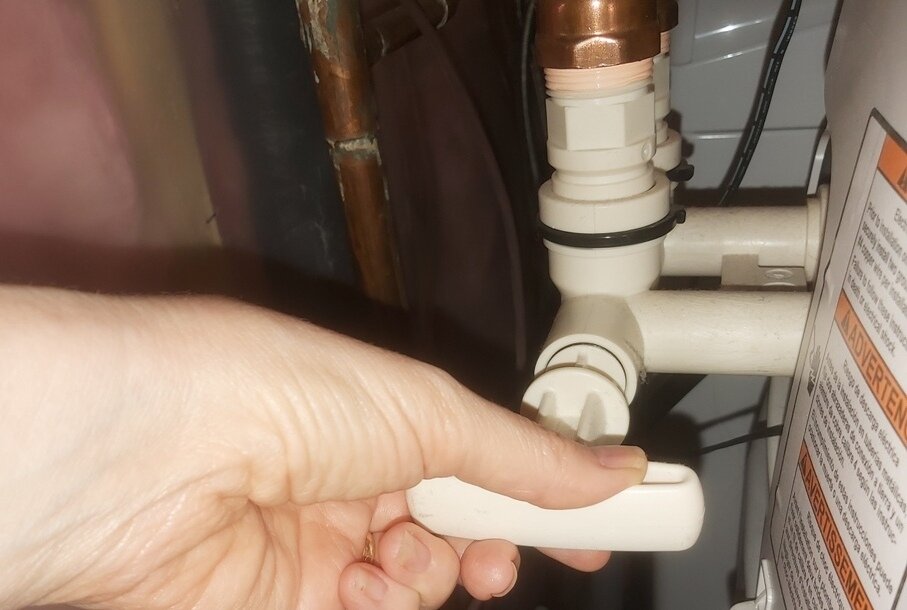
The bypass valve on a Rheem water softener controls water flow. You can tell its position by the handle direction. When the handle points parallel to the pipes, the valve is open and water flows through the softener. If the handle is perpendicular to the pipes, the valve is closed and water bypasses the softener.
Look for a label or marker near the valve. It often shows which way is open or closed. The handle is usually a lever or knob easy to move. This helps quickly check the valve position.
When To Use Each Position
The bypass valve on a Rheem water softener has three main positions. During maintenance, turn the valve to bypass. This stops water from entering the softener. It helps when replacing parts or cleaning.
For water supply issues, set the valve to bypass. This lets water flow without softening. Useful if the softener has a problem or low water pressure.
System troubleshooting needs the valve in bypass too. It isolates the softener to check if it causes issues. You can test water quality without softening.
Remember, switching the valve controls water flow through the softener. Use bypass to avoid damage or fix problems safely.
Common Mistakes With Valve Position
Incorrect bypass valve use can cause big problems. When the valve is not set right, water may bypass the softener. This means hard water enters the home, which can cause scale buildup on pipes and appliances. It also lowers water quality and can make soap less effective.
Some people leave the bypass valve open by mistake. This stops the water softener from working. Others may turn it the wrong way during maintenance. Both errors let hard water flow through.
Always check the valve position carefully. The valve should be closed to bypass hard water and open to allow soft water. This simple step helps keep water clean and appliances safe.
Credit: rheemwatertreatment.zendesk.com
Step-by-step Valve Adjustment
Before adjusting the Rheem water softener bypass valve, turn off the water supply. This prevents leaks and water damage. Switch the valve slowly to avoid pressure build-up. Make sure the valve handle aligns with the pipe direction for the chosen position.
Use a wrench or pliers if the valve is hard to move. Do not force it, or it may break. Check for any water leaks after switching. Tighten connections if needed.
Remember to wear gloves and keep the area dry. Keep children away during adjustment. Only adjust the valve when the system is not in use. This helps keep you and the system safe.
Troubleshooting Valve Problems
Valve stuck or hard to turn can cause water flow issues. Dirt or minerals may build up inside the valve. This makes it tough to move the handle. Try using a lubricant safe for plumbing to ease the movement. Turning the valve gently back and forth can also help loosen it.
Leaks around the valve usually mean the seals are worn out or damaged. Check the valve connections for tightness. Tighten loose nuts with a wrench, but do not overtighten. Replace any worn-out seals or O-rings to stop leaks. Always turn off the water supply before doing repairs.
Maintenance Tips For Bypass Valve
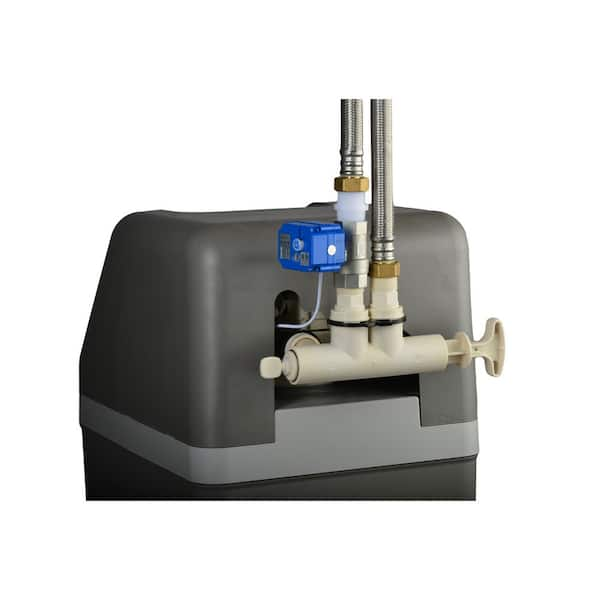
Check the bypass valve regularly for leaks or cracks. A small leak can cause water to bypass the softener, reducing its effectiveness. Turn the valve to the bypass position occasionally to ensure it moves smoothly and is not stuck. Clean the valve parts with a soft cloth and mild soap to remove dirt and buildup. Avoid using harsh chemicals that can damage the valve.
Apply a small amount of silicone-based lubricant on valve seals and moving parts. This helps keep the valve working well and prevents wear.
Do this at least twice a year or more often if the water is hard or dirty. Regular maintenance helps the valve last longer and keeps your water softener working properly.
Credit: www.airoxnigen.com
Frequently Asked Questions
What Is The Rheem Water Softener Bypass Valve Position?
The bypass valve controls water flow through or around the softener. Its position determines if water is softened or untreated.
How Do I Set The Bypass Valve On A Rheem Softener?
Turn the valve to the “service” position to soften water. Turn it to “bypass” to allow untreated water flow.
Why Is Bypass Valve Position Important For Water Softeners?
Correct valve position ensures proper water softening and system maintenance. Incorrect settings may cause untreated water or damage to the unit.
Can I Operate Rheem Water Softener With Bypass Valve Open?
Yes, opening the bypass valve lets water bypass softening. Use this during maintenance or if soft water isn’t needed.
Conclusion
The Rheem water softener bypass valve controls water flow easily. Keep the valve in the right position for soft water use. Turning it off stops water from entering the softener. Use the bypass for maintenance or repairs. This keeps your water system working well.
Check the valve position often to avoid problems. Proper use saves time and protects your pipes. Simple steps make a big difference in water quality. Trust the valve to manage your water softener smoothly.