
Choosing the right spot for your water softener brine tank can make a big difference in how well your system works. If you’ve ever wondered where exactly to place this important piece, you’re not alone.
Finding the perfect location isn’t just about convenience it can save you time, prevent damage, and keep your water softener running smoothly. You’ll discover simple tips and smart advice to help you pick the best place for your brine tank. Keep reading to make sure your water softener does its job perfectly every day.
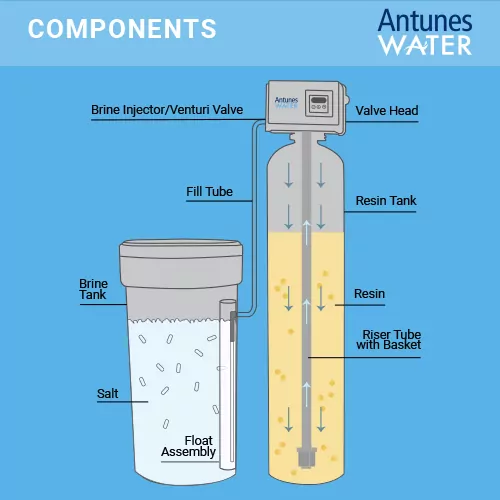
Credit: antunes.com
Choosing The Right Spot
Choosing the right spot for your water softener brine tank is important. The location affects how well your system works and how easy it is to maintain. Picking a good place helps keep your home safe and your system running smoothly.
Nearby Water Softener Unit
Place the brine tank close to the water softener unit. This reduces the length of the connecting tubes. Short tubes prevent leaks and improve the system’s efficiency. A nearby location saves space and keeps everything neat.
Accessibility For Maintenance
Choose a spot that is easy to reach for cleaning and refilling salt. A cramped or hidden place makes maintenance hard. Leave enough room around the tank to open the lid fully. Easy access saves time and effort.
Avoiding Flood-prone Areas
Do not place the brine tank in areas that flood or have standing water. Water can damage the tank and cause salt to dissolve too quickly. Pick a dry, stable floor to protect your system. Avoid basements or low spots with water risks.
Space And Size Considerations
Choosing the right place for your water softener brine tank is important. Space and size affect how well it works. You must think about the room you have and the tank’s size. This helps the system run smoothly and keeps your home tidy.
Measuring Available Space
Start by measuring the area where you want to put the brine tank. Measure the width, depth, and height carefully. Leave some extra space around the tank for easy access. This space helps during maintenance and refilling salt. Check for any obstacles like pipes or shelves nearby. A clear spot makes installation easier and safer.
Tank Size And Capacity
Brine tanks come in different sizes. Pick a size that fits your water use and space. A bigger tank holds more salt and needs less refilling. Smaller tanks fit tight spaces but need frequent salt adding. Check the capacity in gallons or pounds of salt. Match the tank size to your household’s water hardness and daily water use.
Room For Future Expansion
Think about your home’s future needs. You might add more family members or appliances. Leave extra space to upgrade the tank or add parts later. Planning ahead saves time and money. It avoids moving the whole system later. Keep a bit of open space near the tank for easy changes.
Environmental Factors
Choosing the right place for your water softener brine tank matters. Environmental factors affect how well the tank works and lasts. These factors include temperature, sunlight, and air flow. Each one plays a role in protecting the tank and keeping it safe.
Temperature Control
Keep the brine tank in a place with steady temperatures. Avoid spots that get very cold or hot. Extreme cold can freeze the salt water. Heat can cause the salt to clump. Both conditions reduce the tank’s efficiency. A temperature between 40°F and 100°F is best for most tanks.
Protection From Sunlight
Direct sunlight can harm the brine tank. The sun’s rays can weaken the plastic material. This leads to cracks and leaks. Place the tank in a shaded spot or inside a cabinet. Shielding it from sunlight extends its life and keeps the salt dry.
Ventilation Needs
Good air flow helps prevent moisture buildup. Moisture can cause salt to harden or cake. A well-ventilated area keeps air moving around the tank. Avoid closed, damp spaces like basements without ventilation. Proper ventilation ensures the brine tank stays clean and functional.
Plumbing And Drainage Setup
Setting up the plumbing and drainage for your water softener brine tank is very important. It keeps the system working smoothly and prevents water problems in your home. Proper setup avoids leaks and ensures safe water flow during the softening process.
Good plumbing also helps keep the area clean and easy to maintain. It makes refilling the salt easier and stops any water from flowing backward into your pipes. Careful planning of the drainage setup is key to avoid blockages and spills.
Proper Drain Line Connection
The drain line must connect securely to avoid leaks. Use strong, flexible tubing made for water softeners. The line should slope downward to help water flow out easily. Avoid sharp bends or kinks that can block water movement. A tight seal at the connection point stops water from leaking or spilling.
Preventing Backflow Issues
Backflow can contaminate your clean water supply. Install a check valve or air gap on the drain line. These stop water from flowing back into your home’s pipes. Make sure the valve is easy to reach for inspection and cleaning. Backflow prevention protects your family’s health and keeps water safe.
Ensuring Easy Salt Refill
Place the brine tank where you can open the lid easily. Leave enough space around the tank for adding salt. Avoid tight corners or crowded spots. Keep the tank near a power outlet for the softener’s control unit. Easy access saves time and makes salt refills simple and quick.
Safety And Code Compliance
Choosing the right place for your water softener brine tank matters. Safety is a top priority. Following building codes keeps your home safe and legal. Proper installation avoids accidents and fines. It also helps the system work well for years.
Local Regulations To Follow
Every area has rules for water softener installation. These rules protect your home and neighborhood. Check with local authorities before placing the tank. Some places require specific distances from walls or drains. Others forbid installation in certain rooms. Knowing the rules prevents costly mistakes.
Avoiding Electrical Hazards
Water and electricity are a dangerous mix. Keep the brine tank away from electrical outlets and wiring. Moisture can cause short circuits or shocks. Use a dry, well-ventilated spot for the tank. Make sure no wires run under or near the tank. Safety first to prevent fires or injuries.
Securing The Tank
The brine tank must stand firm and steady. Secure it on a flat, stable surface to avoid tipping. Some tanks need to be anchored, especially in earthquake areas. Tighten all caps and lids to stop leaks. Proper securing keeps salt and water inside the tank, not on your floor.
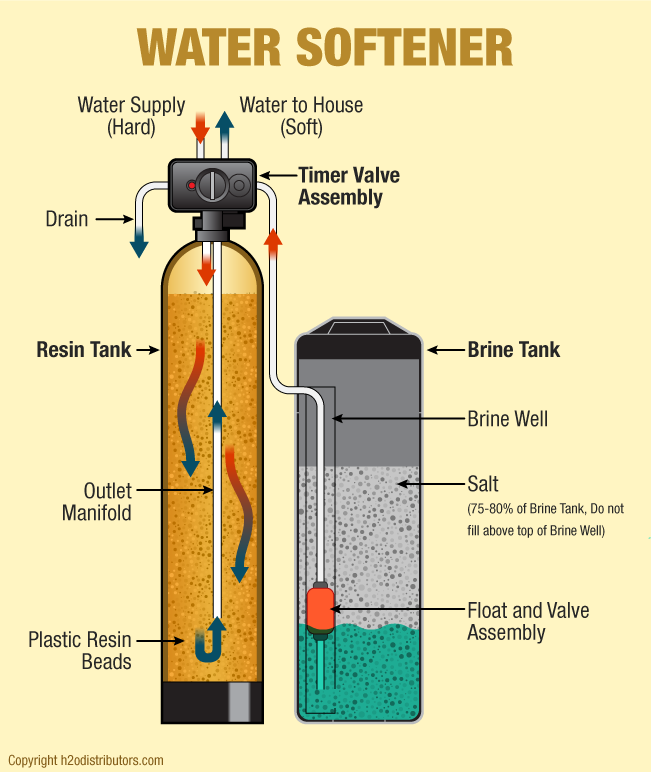
Credit: www.h2odistributors.com
Troubleshooting Common Placement Issues
Proper placement of the water softener brine tank is key for smooth operation. Incorrect location can cause common problems. Knowing how to spot and fix these issues helps maintain the system’s efficiency. This section covers frequent placement problems and their solutions.
Leaks And Spills
Leaks often happen if the brine tank sits on an uneven surface. The tank may tilt, causing water to escape. Place the tank on a flat, sturdy base to avoid this. Check seals and connections regularly for tightness. Clean any salt spills to prevent slipping hazards and damage.
Salt Bridging And Mushing
Salt bridging occurs when salt forms a hard crust inside the tank. This stops salt from dissolving properly. Mushing is when salt turns into a thick sludge. Both block salt from mixing with water. Keep the tank in a dry spot and avoid overfilling it. Break up salt clumps gently with a broom handle if needed.
Tank Corrosion Prevention
Corrosion weakens the brine tank over time. Moisture and salt can cause rust and cracks. Choose a tank made of corrosion-resistant materials. Keep the tank away from damp areas and direct sunlight. Regularly clean the tank to remove salt buildup and moisture. This extends the tank’s life and keeps water softening effective.
Credit: www.youtube.com
Conclusion
Choosing the right spot for your water softener brine tank matters. Place it near a water source and an electrical outlet. Keep it away from freezing temperatures and direct sunlight. Make sure it is easy to access for refilling salt and maintenance.
A good location helps your system work well and last longer. Small steps like these save time and avoid problems. Think about space and convenience before setting up. This way, your water softener keeps your water soft and clean. Simple and smart placement makes a big difference.