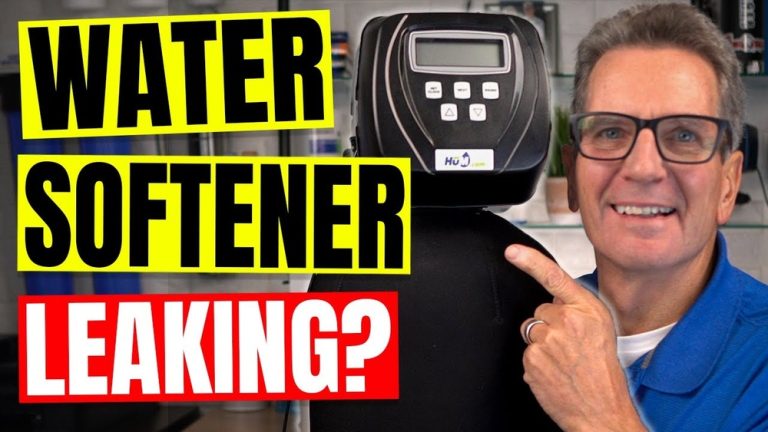

Is your water softener making strange noises that disrupt your peace at home? You’re not alone.
Many people face water softener noise problems that can be frustrating and confusing. These sounds might seem harmless at first, but they could signal bigger issues that affect your system’s performance. You’ll discover why your water softener is noisy, what those sounds mean, and how you can fix them quickly.
Keep reading to protect your home and enjoy quiet, clean water again.

Credit: www.youtube.com
Common Noise Types
Water softeners are useful for hard water problems. Sometimes, they make noises that can be strange or loud. These noises usually show a problem or normal operation. Knowing common noise types helps you understand your system better.
Humming Sounds
Humming is common during water softener cycles. It happens when the motor or valve is working. Soft humming is normal, but loud humming may mean a problem. It could be a stuck motor or electrical issue. Check the power source and motor condition.
Banging Noises
Banging sounds are more serious. They often mean something inside is loose or hitting hard parts. A loose valve or piston can cause banging. Hard water buildup might make parts hit each other. Tighten or replace loose parts to stop banging.
Clicking And Tapping
Clicking sounds happen when the system switches cycles. Tapping may come from water flow or valve movement. A few clicks are normal during regeneration. Too many clicks or fast tapping can mean valve issues or faulty controls. Inspect the system for stuck or damaged parts.

Credit: www.watersmartsystems.com
Why Noises Occur
Water softeners sometimes make noises that can be strange or loud. These sounds often mean something inside the system is not working right. Understanding why noises occur helps you fix the problem fast. It also keeps your water softener working well for years.
Mechanical Wear And Tear
Parts inside the water softener move a lot. Over time, these parts wear out or break. Worn-out parts can cause grinding or rattling sounds. Regular use makes some pieces loose or less smooth. This wear can lead to noisy operation during the softening cycle.
Water Pressure Issues
Water pressure that is too high or too low causes noise. High pressure makes water flow fast and loud. Low pressure can cause the system to work harder, creating strange sounds. Pressure changes put stress on the softener parts. This stress often shows as unusual noise.
Salt Bridging
Salt bridging happens when salt forms a hard crust inside the tank. This crust stops the salt from dissolving properly. The softener tries to work but the salt block causes noise. Sounds like banging or clanking come from this problem. Salt bridging also reduces the softener’s efficiency.
Loose Parts
Vibrations from the water softener can loosen screws and bolts. Loose parts move and hit other components. This movement makes rattling or knocking sounds. Checking and tightening parts regularly can stop these noises. Loose parts can also cause bigger damage over time.
Quick Noise Fixes
Water softener noise problems can be annoying and disrupt your daily routine. Quick noise fixes help reduce or stop these sounds fast. Simple actions often solve the issue without needing a professional. Try these easy steps to quiet your water softener.
Checking And Tightening Components
Loose parts cause many noises in water softeners. Check screws, bolts, and panels carefully. Tighten any loose components with a screwdriver or wrench. This prevents rattling and vibrations. Make sure all parts fit snugly to stop noise.
Adjusting Water Pressure
High water pressure can create loud noises in your system. Check the pressure using a gauge. Lower the pressure if it is above recommended levels. Use a pressure regulator or adjust your home’s main valve. Proper pressure helps the softener run quietly.
Breaking Up Salt Bridges
Salt bridges block salt flow and cause noises inside the tank. Gently break the hardened salt layer with a broom handle or stick. Avoid using sharp tools to protect the tank lining. Clearing salt bridges restores normal operation and reduces noise.

Credit: www.alamowatersofteners.com
When To Call A Professional
Water softeners sometimes make noises that can be annoying or worrying. Some noises are normal, but others need expert help. Knowing when to call a professional saves time and prevents bigger problems.
Small issues can turn into costly repairs if ignored. A professional can find the root cause and fix it safely. Here are signs that show it is time to get expert help.
Persistent Loud Noises
Loud noises that do not stop are a clear warning. Clicking, banging, or grinding sounds mean the softener has a problem. These sounds often come from worn or broken parts.
Ignoring loud noises can damage the system further. A professional can check the internal components. They replace or repair parts to restore quiet operation.
Complex Mechanical Problems
Water softeners have many moving parts and valves. Some problems need special tools and knowledge to fix. Complex issues include motor failure, valve leaks, or electronic control errors.
Trying to fix complex problems without experience can cause more harm. Professionals know how to diagnose these issues quickly. They ensure your system works correctly and lasts longer.
Preventing Noise Problems
Noise from water softeners can disturb your home peace. Preventing these sounds saves hassle and keeps the system working well. Simple steps help reduce noise and extend your softener’s life.
Regular Maintenance Tips
Clean your water softener regularly. Check for worn parts or loose bolts. Replace damaged components quickly to avoid loud noises. Follow the manufacturer’s guide for maintenance. Regular checks keep the system quiet and efficient.
Using High-quality Salt
Choose salt made for water softeners. High-quality salt causes less buildup inside the tank. This reduces grinding or rattling sounds. Avoid cheap salt with impurities. Good salt keeps the softener running smoothly and silently.
Proper Installation Practices
Install the softener on a stable surface. Make sure all pipes are tight and secure. Incorrect installation can cause vibration and noise. Use a professional installer if unsure. Proper setup prevents noise problems from the start.
Frequently Asked Questions
Why Is My Water Softener Making Loud Noises?
Loud noises often indicate a mechanical issue or clogged valves. Check for stuck parts or debris blocking the system. Regular maintenance helps prevent noise. If unsure, consult a professional for inspection and repair.
How Can I Fix A Humming Water Softener?
A humming sound usually means the motor or timer is struggling. Ensure the unit is plugged in properly and the timer is set correctly. Cleaning or replacing worn parts can stop humming. Professional help may be needed.
What Causes Water Softener To Rattle During Regeneration?
Rattling often happens when salt bridges or buildup disrupt the process. Break up salt bridges and clean the brine tank regularly. Proper salt type and level prevent rattling. If persistent, call a technician.
Is It Normal For Water Softeners To Make Noise?
Some noise during regeneration is normal, like gentle humming or clicking. However, loud or unusual sounds suggest issues. Regular checks and maintenance keep noise minimal. Always address strange noises promptly.
Conclusion
Water softener noise problems can interrupt your daily routine. Fixing small issues early saves you time and money. Check parts like valves and motors for wear or dirt. Regular cleaning helps keep your system quiet. Don’t ignore strange sounds; they signal needed attention.
A quiet water softener means better comfort at home. Stay aware of noises to prevent bigger problems later. Simple care keeps your water softener working well. Peace and quiet are possible with regular maintenance.