

Are you tired of dealing with spots on your dishes, dry skin, or clogged pipes? The secret to solving these problems might lie in your water softener’s hardness setting.
Getting this setting just right can make a huge difference in how well your water softener works—and how smooth your daily life feels. You’ll discover why the hardness setting matters, how to find the perfect level for your home, and simple steps to adjust it yourself.
Keep reading to unlock the full potential of your water softener and enjoy cleaner, softer water every day.

Credit: nelsonwater.com
Causes Of Hard Water
Hard water forms when certain minerals dissolve in water. These minerals come from rocks and soil. They make the water feel rough or “hard.” Understanding what causes hard water helps you set your water softener correctly.
Mineral Composition
Hard water contains high amounts of calcium and magnesium. These minerals are common in many types of rock. Water picks up these minerals as it moves through the ground. The more minerals in the water, the harder it becomes. This makes soap less effective and can cause buildup in pipes.
Regional Variations
Hardness varies by location. Some areas have more limestone or chalk in the soil. These rocks release more calcium and magnesium into the water. Other regions have softer water with fewer minerals. Knowing your area’s water type helps set the right hardness level in your softener.
Signs Of Hard Water
Hard water causes many problems in daily life. It contains high levels of minerals like calcium and magnesium. These minerals affect your home, appliances, skin, and hair. Knowing the signs of hard water helps you decide if a water softener is needed.
Look for common clues around your house. These signs show how hard water impacts you every day.
Soap Scum And Residue
Hard water makes soap less effective. It leaves white, chalky soap scum on sinks, bathtubs, and showers. Clothes may feel stiff or look dull after washing. Dishes often have spots or a cloudy film. This residue shows minerals are interfering with cleaning.
Appliance Damage
Minerals in hard water build up inside appliances. Water heaters, dishwashers, and washing machines work less well. Scale buildup can cause parts to break or use more energy. Over time, this shortens the life of your appliances.
Skin And Hair Effects
Hard water can dry out skin and hair. It may cause itching or redness. Hair might feel rough or look dull. Soap and shampoo do not rinse off well, leaving a sticky feeling. These effects show minerals are harming your skin and hair.
Measuring Water Hardness setting for softener
Measuring water hardness is the first step to setting your water softener correctly. Hardness means how much calcium and magnesium is in your water. These minerals cause scale buildup and reduce soap effectiveness. Knowing the hardness helps you choose the right softener setting. Accurate measurement saves money and protects your plumbing.
Testing Methods
You can test water hardness in several ways. Test strips are simple and fast. Dip the strip in water and compare its color to a chart. Digital meters give more precise results but cost more. Some kits use drops that change color based on hardness. You can also send samples to a lab for detailed analysis.
Units Of Measurement
Water hardness is measured in different units. Grains per gallon (gpg) is common in the U.S. One grain equals about 17.1 parts per million (ppm). Milligrams per liter (mg/L) is the same as ppm. Degrees of hardness (°dH) is used in Europe. Knowing these units helps you understand test results and set your softener right.
Choosing water softener hardness level setting Settings
Setting the right hardness level on your water softener is key. It helps the system work well and protect your pipes and appliances. Too low or too high settings can cause problems. The goal is to match the setting to your water’s hardness. This makes your water soft and safe to use.
Understanding your water’s hardness allows you to adjust the softener properly. This helps save salt and water. It also prevents scale buildup. The right setting depends on your water test results and how much water you use daily.
Matching Settings To Water Tests
Begin by testing your water hardness. Use a test kit or send a sample to a lab. The result shows hardness in grains per gallon (gpg) or parts per million (ppm). Find the hardness level and set your softener to the same value. This ensures the system removes the right amount of minerals.
Many water softeners have a guide to set hardness levels. Check your device manual. Set the hardness number exactly as your water test shows. This step avoids wasting salt and keeps water soft. Regular testing helps adjust settings if water hardness changes.
Adjusting For Usage
Water use affects how you set hardness. A family using more water may need a different setting than a single person. High water use can reduce softener efficiency. Adjust the hardness setting slightly lower to improve softening.
Check your water softener’s capacity and usage patterns. Adjust settings if you notice scale or soap not lathering well. These signs mean hardness is too high. Fine-tune the setting to balance soft water and salt use. Regular checks keep your softener working well.
adjust water softener hardness
Setting up your water softener is key to getting soft water in your home. It helps remove hard minerals that cause scale and soap scum. Proper setup ensures the system works well and lasts longer.
This process mainly involves adjusting the hardness setting on the device. The setting matches the hardness level of your water supply. Accurate input improves water quality and saves salt and water.
Locating The Control Panel
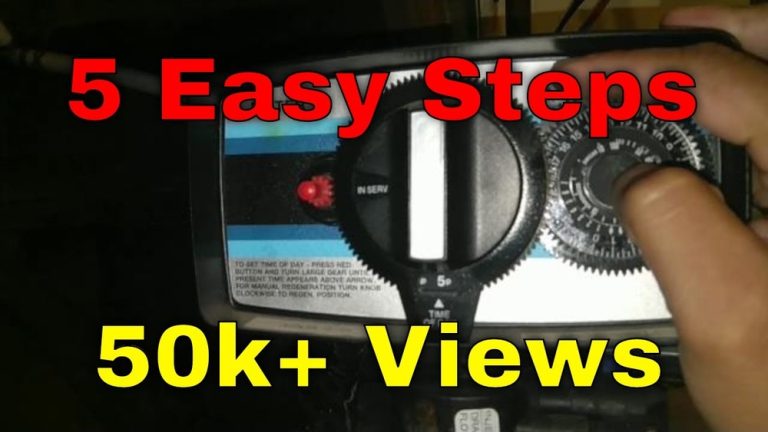
The control panel is usually on the front or top of the softener. It has buttons or a dial to change settings. Find the panel before starting setup. Make sure the device is plugged in and powered on.
Inputting Hardness Levels
Check your water hardness level from a test kit or water report. Use the control panel buttons to enter this number. Most softeners accept levels in grains per gallon (gpg) or parts per million (ppm). Follow your softener’s manual for exact steps.
Fine-tuning For Best Performance
After setting the hardness, monitor water softness for a few days. If water still feels hard, increase the hardness setting slightly. If salt usage is high, try lowering the setting. Small adjustments help balance performance and cost.
Common Mistakes To Avoid
Setting the correct hardness level on your water softener is key for smooth water flow and clean appliances. Many people make simple mistakes that can cause poor water quality or damage the system. Avoiding these errors saves money and keeps your water softener working well.
Overestimating Hardness
Setting hardness too high wastes salt and water. The softener runs longer than needed. This leads to higher bills and faster wear. Always measure hardness carefully before adjusting settings.
Ignoring Regional Changes
Water hardness can change by season or location. A setting that worked months ago may not fit now. Check hardness often if you move or notice water quality changes. Adjust settings to match current conditions.
Skipping Regular Testing
Testing water hardness regularly ensures the softener works well. Without tests, settings may be wrong for a long time. Use test kits or professional help to check hardness every few months. This keeps water soft and appliances safe.
Maintenance Tips For Consistent Softness
Maintaining your water softener’s hardness setting ensures soft water all year. Proper care keeps the system working well and protects your home’s plumbing. Follow these easy tips to maintain consistent softness.
Regular Resin Cleaning
Resin beads trap hard minerals in your water softener. Over time, they get dirty and less effective. Clean the resin every few months to keep it working well. Use a resin cleaner made for water softeners. This removes buildup and restores soft water quality.
Salt Refilling Best Practices
Salt helps your water softener remove hardness from water. Check the salt level often to avoid running out. Use high-quality salt designed for water softeners. Keep the salt tank clean and free from clumps. This prevents blockages and keeps the system running smoothly.
Monitoring System Performance
Watch for signs your softener is not working right. Hard water spots on dishes or fixtures mean it may need attention. Test water hardness regularly using a test kit. Adjust hardness settings as needed to match water quality. Regular checks keep your water soft and safe.

Credit: www.floridawatertechnologies.com
Benefits Of Correct Hardness Settings
Setting the correct hardness level on your water softener brings many benefits. It helps protect your home’s plumbing and appliances. It also improves the quality of water you use daily. Proper settings save money on repairs and energy bills. Understanding these benefits encourages better water softener use.
Improved Appliance Lifespan
Correct hardness settings reduce scale buildup in appliances. Scale can damage water heaters, dishwashers, and washing machines. Softer water helps appliances run smoothly and last longer. This reduces the need for frequent repairs or replacements.
Better Water Quality
Water with the right softness feels cleaner and tastes better. It prevents dry skin and hair caused by hard water. Soft water also allows soaps and detergents to work more effectively. This means cleaner clothes, dishes, and surfaces.
Cost Savings
Soft water cuts down on energy use in water heaters. It lowers soap and detergent use, saving money. Reduced scale buildup means fewer repair costs. Proper hardness settings protect your budget over time.
Credit: kenmorewatersolutions.zendesk.com
Frequently Asked Questions
What Is Water Softener Hardness Setting?
Water softener hardness setting adjusts your system to remove minerals like calcium and magnesium. It ensures optimal softening for your water based on its hardness level. Correct settings prevent scale buildup and improve appliance lifespan.
How Do I Find My Water Hardness Level?
You can test water hardness using a home test kit or contact your local water supplier. Knowing the hardness level helps set your water softener correctly for effective softening.
Why Is Setting Hardness Level Important?
Setting the correct hardness level optimizes salt and water use during regeneration. It prevents under or over-softening, saving money and maintaining water quality and appliance efficiency.
Can Incorrect Hardness Settings Damage My Softener?
Yes, wrong settings cause inefficient softening and may shorten the system’s life. Over-setting wastes salt; under-setting leads to scale buildup in pipes and appliances.
Conclusion
Setting the right hardness level keeps your water soft and clean. It helps protect pipes and appliances from damage. Adjusting the water softener is easy once you know your water’s hardness. This small step saves money and improves water quality.
Take time to test your water regularly. Good settings mean better water for your home every day. Simple care leads to long-lasting benefits and fewer problems.

[…] sure the hardness setting matches your water test results. Incorrect settings cause poor performance. Reset the control to the right […]