
Are you struggling with hard water stains or dry skin? Your water softener setting might be the hidden key to solving these problems.
Getting the average water softener setting right can save you money, protect your appliances, and improve the quality of your water. But how do you know what setting is best for your home? You’ll discover simple tips to find the perfect balance, so you can enjoy softer water without wasting salt or energy.
Keep reading—you’re just one step away from making your water work better for you.

Credit: www.youtube.com
Water Hardness And Its Effects
Water hardness affects daily life and household appliances. It depends on minerals in the water. Hard water can cause many problems in your home. Soft water brings many benefits that improve water use.
Causes Of Hard Water
Hard water contains calcium and magnesium. These minerals come from rocks underground. As water flows through soil and rocks, it picks up these minerals. The amount of minerals varies by location. Well water often has more hardness than city water.
Problems With Hard Water
Hard water leaves spots on dishes and glassware. It causes soap to form scum instead of lather. Clothes washed in hard water may feel rough. Pipes and appliances can get clogged with mineral buildup. This buildup reduces efficiency and raises energy bills.
Benefits Of Soft Water
Soft water cleans better and saves soap. It protects plumbing and appliances from damage. Clothes stay softer and last longer. Skin feels smoother after bathing. Soft water helps save money on repairs and energy costs.
How Water Softeners Work
Water softeners remove hard minerals from water. These minerals cause scale buildup and reduce water quality. Understanding how water softeners work helps in choosing the right settings.
Ion Exchange Process
The ion exchange process swaps hard minerals with soft ones. Water passes through resin beads charged with sodium ions. The beads attract calcium and magnesium, which stick to them. Sodium ions release into the water, softening it. This process repeats until the resin beads need cleaning.
Types Of Water Softeners
There are different types of water softeners. The most common is the salt-based softener using ion exchange. Salt-free softeners use a different method to reduce scale. Some use magnetic or electronic fields to change mineral properties. Each type has pros and cons based on water hardness and usage.
Key Components
A water softener has several important parts. The mineral tank holds resin beads for ion exchange. The brine tank stores salt solution for cleaning the resin. A control valve manages water flow and regeneration cycles. Together, these parts keep water soft and appliances safe.
Determining The Right Softener Setting
Determining the right water softener setting is key to effective water treatment. The correct setting protects pipes and appliances from damage. It also improves water quality for daily use. Understanding your water’s hardness helps set the softener properly. Settings depend on several factors, including water hardness and usage.
Measuring Water Hardness
Water hardness is the amount of calcium and magnesium. These minerals cause scale buildup in pipes and appliances. Test kits can measure hardness in grains per gallon (GPG). Local water reports often provide hardness levels too. Knowing this number helps choose the softener setting. A higher hardness needs a stronger softening level.
Factors Influencing Settings
Water usage affects how often the softener regenerates. Larger households or heavy water users need more frequent regeneration. The type of softener system also matters. Some models have fixed settings, others are adjustable. Salt type and water pressure can change softener performance. Adjust settings carefully to avoid waste or poor softening.
Adjusting Regeneration Frequency
Regeneration cleans the softener resin by flushing minerals out. Setting the right frequency saves salt and water. Too often wastes resources; too little causes hard water buildup. Adjust based on water hardness and household size. Monitor results and tweak as needed for best performance. Many systems allow easy programming of regeneration cycles.
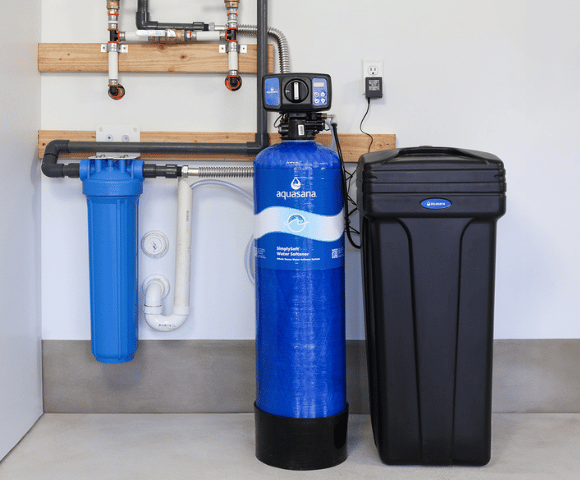
Credit: www.aquasana.com
Average Water Softener Settings
Water softeners need proper settings to work well. The right settings help remove hard minerals from water. This makes water gentler on skin, clothes, and pipes. Understanding average water softener settings can save money and extend the device’s life.
Settings depend on water hardness and household size. Most systems have common ranges for grain capacity, salt use, and regeneration cycles. These settings keep water soft without wasting salt or energy.
Typical Grain Capacity
Grain capacity shows how much hardness a softener can handle. Most home systems work between 20,000 and 40,000 grains. This range suits families of two to six people. Higher capacity means longer time between regenerations.
Common Salt Dosage
Salt dosage controls how much salt the system uses. Many softeners use 6 to 12 pounds of salt per regeneration. The amount depends on water hardness and grain capacity. Proper salt dosage keeps the system efficient and saves money.
Standard Regeneration Cycles
Regeneration cleans the resin beads inside the softener. Most systems regenerate every two to three days. Some use a timer, others regenerate based on water use. Regular cycles keep water soft and prevent buildup inside the system.
Optimizing Softener Performance
Optimizing your water softener helps it work well and last longer. Proper settings and care give you soft water every day. Small steps keep the system clean and efficient. This saves money and protects your home plumbing.
Focus on regular upkeep, salt quality, and water testing. These three parts keep your softener running smoothly. Follow simple tips to get the best from your device.
Regular Maintenance Tips
Check the softener monthly for any leaks or damage. Clean the brine tank at least twice a year. Remove salt bridges and mush to avoid blockages. Use a softener cleaner to remove buildup inside. Keep the resin bed healthy for better water flow.
Salt Type And Quality
Choose high-purity salt for best softening results. Pellets and crystals dissolve evenly and reduce waste. Avoid rock salt; it contains more impurities. Store salt in a dry place to prevent clumping. Good salt helps the softener regenerate properly.
Monitoring Water Quality
Test your water hardness regularly to adjust settings. Use a simple test kit for home checks. Watch for changes in taste or soap lather. Hard water signs mean the softener needs attention. Keep records to track water softness over time.
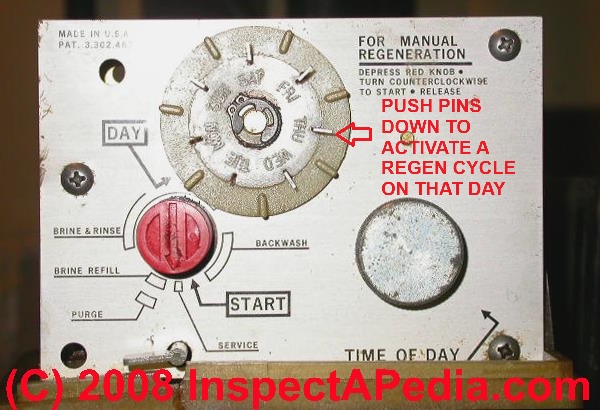
Credit: inspectapedia.com
Troubleshooting Common Issues
Troubleshooting common issues with your water softener helps keep it working well. Small problems can stop softening your water properly. Fixing these quickly saves money and time. Here are some common issues and how to address them.
Salt Bridging And Mushing
Salt bridging happens when salt forms a hard crust in the tank. This crust blocks water from reaching the salt. Softener stops working well because it cannot regenerate properly.
Salt mushing is when salt turns into a thick sludge at the bottom. This sludge also stops water flow and causes poor softening.
To fix these, break the crust gently with a broom handle. Remove any mushy salt and refill the tank with fresh salt. Always use the right type of salt for your softener.
Ineffective Softening
Water that still feels hard after softening means a problem exists. The softener might be set too low or need cleaning. Check the hardness setting on the control panel. Adjust it to match your water test results.
Sometimes, the resin beads inside the tank lose effectiveness. Clean the resin with a softener cleaner to restore performance. Regular maintenance prevents this issue.
Water Softener Bypass
The bypass valve lets water skip the softener. This is useful during repairs or salt refills. But if left open accidentally, water stays hard.
Check the bypass valve position if water feels hard again. Close the valve fully to allow softening. Make sure the valve moves smoothly and seals well.
Frequently Asked Questions
What Is The Average Water Softener Setting?
The average water softener setting ranges from 6 to 10 grains per gallon (GPG). This setting removes common hardness minerals like calcium and magnesium effectively. Adjustments depend on your local water hardness level and household water usage to ensure optimal softening.
How Do I Adjust Water Softener Settings?
To adjust settings, locate the control panel on your softener unit. Use the manual or digital interface to set the hardness level. Match this number to your water test results for best performance and to avoid over or under-softening your water.
Why Is The Water Softener Setting Important?
The setting controls how much hardness your system removes. Correct settings prevent scale buildup in pipes and appliances. They also improve soap efficiency and water taste. Incorrect settings can waste salt or leave water too hard or too soft.
How Often Should I Check Water Softener Settings?
Check settings every 3 to 6 months or after water testing. Regular checks ensure the system matches any changes in water hardness. This helps maintain optimal performance and prevents potential damage to plumbing or appliances.
Conclusion
Setting the right water softener level helps protect your pipes and appliances. Most homes use a setting between 6 and 10 grains per gallon. Adjust the setting based on your water’s hardness. Regular checks keep your system working well. Soft water feels better and prevents scale buildup.
Remember, simple adjustments make a big difference in water quality. Keep your water softener tuned for the best results every day.