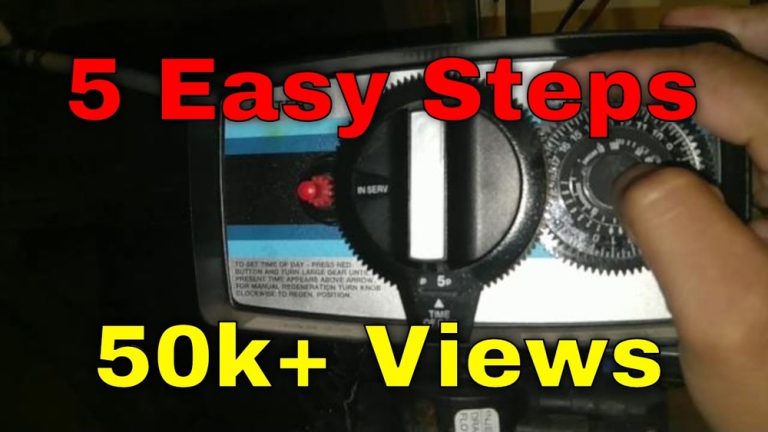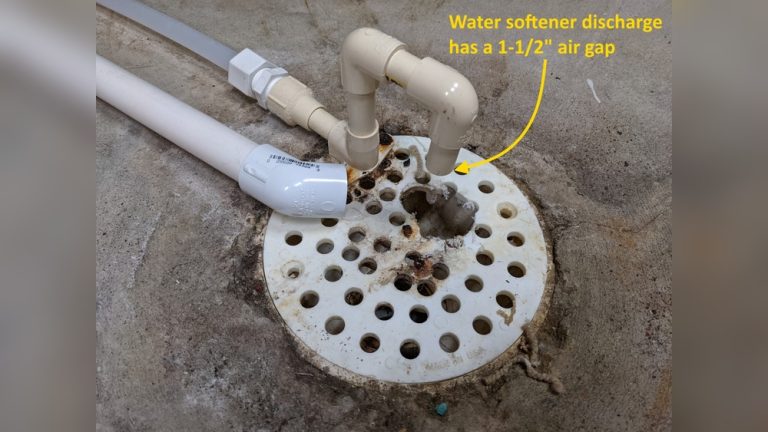

Are you struggling to get your water softener just right? The secret lies in mastering your water softener dial settings.
Getting these settings wrong can waste salt, leave you with hard water, or even damage your system. But don’t worry—once you understand how to adjust your dial properly, you’ll enjoy softer water, cleaner dishes, and smoother skin every day. Keep reading, and you’ll learn exactly how to set your water softener dial for the best results tailored to your home’s needs.
How Water Softener Dials Work
Water softener dials control how your system treats hard water. These dials adjust settings that decide when and how the softener works. Understanding these dials helps you keep your water soft and appliances safe.
Basics Of Dial Settings
Water softener dials usually show numbers or levels. These numbers tell the softener how much salt to use or when to regenerate. Regeneration means cleaning the system to keep it working well. Setting the dial right saves salt and energy. It also keeps your water soft all the time.
Types Of Dials And Controls
Some water softeners have manual dials. You turn them by hand to set the system. Others have digital controls with buttons and screens. Digital controls can be easier to read and set. Some models use timers to start regeneration at night. Others use sensors to check water hardness and adjust automatically.
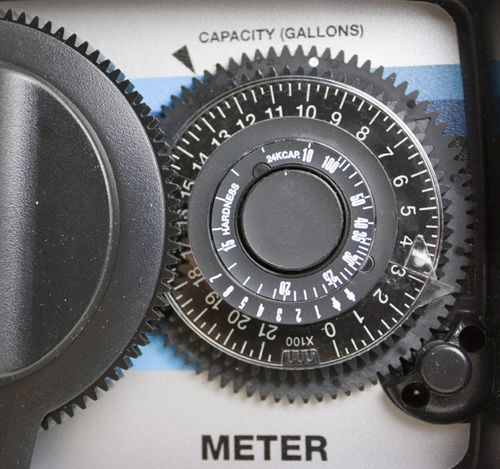
Credit: www.purewateroccasional.net
Factors Influencing Dial Adjustment
Adjusting the dial on your water softener is not a one-size-fits-all task. Several factors affect how you should set it. Each home has unique needs based on water quality and usage. Understanding these factors helps you get the best performance from your system.
Water Hardness Levels
Water hardness measures the amount of minerals like calcium and magnesium. Harder water needs a higher dial setting to remove more minerals. Soft water requires a lower setting to avoid wasting salt and water. Testing your water hardness is the first step in dial adjustment.
Household Water Usage
The amount of water your household uses affects the dial setting. Larger families or homes using more water need a higher setting. This ensures the softener can treat enough water before regenerating. Smaller households can set the dial lower to save salt and energy.
Salt Type And Quality
Different salt types dissolve at different rates and affect softener efficiency. High-quality salt produces better regeneration and reduces buildup. Poor salt quality may require a higher dial setting to compensate. Always choose the right salt for your system and check its purity.
Setting Your Dial For Optimal Softness
Setting your water softener dial correctly ensures your water is just soft enough. Too soft or too hard water can cause problems. The right setting saves salt, water, and protects your pipes and appliances. Follow these steps for the best dial setting.
Measuring Hardness Accurately
Use a water test kit to find your water hardness. Test kits are easy to use and give quick results. Hardness is measured in grains per gallon (gpg) or parts per million (ppm). Know this number before adjusting your dial. Accurate measurement is the first step to good settings.
Calculating Regeneration Frequency
Your softener needs to regenerate to clean the resin beads. Regeneration uses salt and water, so timing matters. Calculate how often your system should regenerate based on hardness and water use. Too often wastes resources; too rare means hard water. Set your dial to match this schedule for best results.
Adjusting For Seasonal Changes
Water hardness can change with seasons and weather. Rain and temperature affect mineral levels in water. Check hardness every few months to keep settings right. Adjust your dial if hardness changes. This keeps water soft all year and prevents damage.
Common Mistakes And How To Avoid Them
Setting your water softener dial correctly is vital for smooth operation. Many people make simple errors that reduce the device’s effectiveness. These mistakes can cause hard water problems or waste salt. Understanding common errors helps you avoid them easily. Let’s explore three frequent mistakes and how to fix them.
Over-softening Water
Setting the dial too high makes water too soft. Soft water feels slippery and can harm plumbing. It also wastes salt and energy. Check your water hardness level before setting the dial. Match the dial to your exact water hardness. Avoid turning the dial beyond what is needed.
Ignoring Salt Refill Indicators
Salt keeps your water softener working well. Low salt means the softener cannot clean hard water properly. Some softeners have lights or alerts for salt levels. Do not ignore these signals. Check the salt tank often and refill it regularly. Use the right type of salt for best results.
Skipping Regular Maintenance
Cleaning and checking your softener is important. Dirt and debris can block the system. Inspect the resin beads and clean the brine tank yearly. Regular maintenance helps prevent breakdowns and keeps water soft. Follow the manufacturer’s instructions for care and cleaning.
Tips For Cleaner Water Beyond Softening
Water softeners improve water by removing hardness minerals like calcium and magnesium. Yet, softening alone does not solve all water issues. Cleaner water means removing other impurities, particles, and odors. Small steps beyond softening can make a big difference in water quality and taste.
Combining Filtration Systems
Adding filters after a softener helps catch dirt, chlorine, and other chemicals. Carbon filters remove bad smells and improve taste. Sediment filters block small particles that damage pipes and appliances. Combining these systems creates cleaner and safer water for drinking and bathing.
Regular System Flushing
Flushing your water softener and filters keeps them working well. It clears trapped minerals and debris that reduce efficiency. Set a schedule to flush your system every few months. Clean parts help maintain water flow and improve water quality over time.
Monitoring Water Quality
Check your water regularly for changes in taste, smell, or color. Test for hardness, pH, and contaminants using simple kits. Monitoring helps catch problems early before they worsen. Adjust softener settings and filters based on test results for best water quality.

Credit: merrimacwi.gov
Troubleshooting Dial Issues
Troubleshooting dial issues on your water softener is key to keeping soft water flowing. The dial controls when the system regenerates and how it works. Problems with the dial can stop softening or cause uneven water quality.
Knowing how to spot and fix dial issues saves time and prevents damage. Here are common problems and simple checks to perform.
Dial Not Responding
A dial that does not turn or change settings can mean a mechanical jam. Dirt or hard water deposits might block the dial. Try cleaning around the dial gently with a soft cloth.
Check if the dial knob is loose or broken. Sometimes, the knob slips and stops turning the internal parts. Tighten or replace the knob if needed.
Also, look for signs of wear or cracks. If the dial is damaged, it may need replacement to work properly again.
Inconsistent Water Softness
Water that feels hard sometimes and soft other times often signals dial misalignment. The dial may not be set to the correct regeneration cycle. Verify the dial matches your water hardness level.
Reset the dial according to your water softener manual. Make sure the timer is accurate and the dial clicks into place. A wrong setting can cause irregular softening.
Check for power interruptions. A power loss can reset the dial timer, affecting performance.
When To Call A Professional
Call a professional if the dial still fails after basic fixes. A technician can test the internal parts and electronics. Complex problems like motor or circuit failures need expert care.
Also, seek help if you feel unsure about handling the system. Incorrect adjustments can worsen the issue.
Routine servicing by a pro keeps your softener working smoothly and extends its life.

Credit: www.reddit.com
Frequently Asked Questions
What Is The Ideal Water Softener Dial Setting?
The ideal dial setting depends on your water hardness level. Typically, set it based on grains per gallon (GPG). Check your water report or test kit. Adjust the dial to match that hardness for effective softening and efficient salt use.
How Do I Adjust Water Softener Dial Settings?
Locate the dial on your water softener control valve. Turn the dial clockwise or counterclockwise to match your water hardness. Follow manufacturer instructions for precise adjustment. Make small changes and monitor water softness to avoid over or under softening.
Why Is The Water Softener Dial Important?
The dial controls regeneration frequency and resin cleaning. Proper settings ensure soft water and prolong resin life. Incorrect settings cause hard water buildup or excess salt waste. Adjusting the dial optimizes performance and reduces maintenance.
How Often Should I Check Water Softener Dial Settings?
Check your dial settings at least twice a year or after water hardness changes. Also, inspect after power outages or maintenance. Regular checks ensure your system runs efficiently and your water stays consistently soft.
Conclusion
Setting the right water softener dial is key for soft water. It controls how much hardness your system removes. Choose a setting based on your water’s hardness level. Too high or too low can cause issues. Regular checks help keep your water soft and clean.
Simple steps can save you money and protect pipes. Adjust the dial carefully and enjoy better water every day. Easy to do, and worth the effort.