
If you have a family of four, choosing the right water softener size can make a big difference in your daily life. You want clean, soft water without wasting space or money on a unit that’s too large or too small.
But how do you know what size fits your family’s needs perfectly? This guide will help you find the ideal water softener size, so you can enjoy softer water, protect your pipes, and save on energy bills. Keep reading to discover the simple steps to get the perfect match for your home.
Credit: www.netsolwater.com
Factors Influencing Water Softener Size
Choosing the right water softener size for a family of four depends on several key factors. These factors help ensure the softener works efficiently and lasts longer. Understanding these points makes it easier to pick the right system.
Household Water Usage
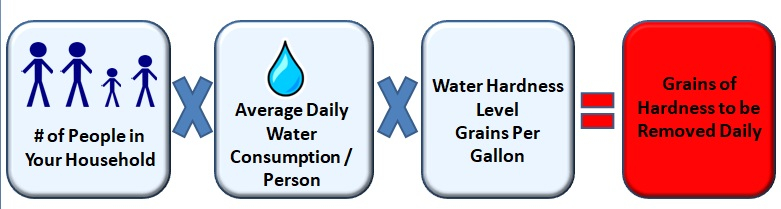
The amount of water your family uses daily affects the size of the softener needed. More water means a larger system is required. A family of four typically uses about 80 to 100 gallons per person each day. Multiply this by four to estimate total usage. This estimate guides the capacity of the water softener.
Water Hardness Levels
Water hardness measures minerals like calcium and magnesium. Harder water needs a bigger softener to handle more minerals. You can test water hardness with a simple kit or ask a local expert. Softener size depends on how many grains per gallon (GPG) your water contains. Higher GPG means a larger system is essential.
Regeneration Frequency
Regeneration is the process that cleans the softener’s resin beads. This process restores the softener’s ability to remove hardness minerals. How often regeneration happens affects softener size. Frequent regeneration means a smaller tank might work. Less frequent regeneration needs a larger tank to store more capacity.
Flow Rate Requirements
Flow rate is the speed water moves through the softener. Higher flow rates need larger softeners to avoid pressure drops. Consider how many water outlets run at the same time. Kitchens, bathrooms, and laundry can all use water simultaneously. The softener must handle peak flow without slowing water pressure.
Credit: www.watersmartsystems.com
Calculating Softener Capacity
Choosing the right water softener size is key for a family of four. The softener must handle daily water use and the hardness level. Calculating softener capacity helps avoid frequent refills or poor water quality. You need to know your water use and hardness to pick the correct size.
Gallons Per Day Estimation
Start by estimating daily water use. A family of four uses about 300 gallons each day. This number can change based on habits. Counting showers, laundry, and dishwashing helps. The softener must treat this daily water volume efficiently.
Grain Removal Capacity
Grain removal means how much hardness the softener can handle. Hardness is measured in grains per gallon (GPG). Multiply daily gallons by GPG to find grains removed daily. For example, 300 gallons × 10 GPG equals 3,000 grains each day. Choose a softener that removes this many grains between regenerations.
Salt Efficiency
Salt efficiency shows how well the softener uses salt to clean resin beads. Higher efficiency saves salt and money. Check the softener’s salt usage per regeneration. Efficient models use less salt for the same grain removal. This lowers maintenance and keeps soft water flowing longer.
Types Of Water Softeners
Choosing the right water softener is important for a family of four. Different types of water softeners work in different ways. Each type offers unique benefits and fits various needs. Understanding these options helps pick the best system for your home.
Salt-based Softeners
Salt-based softeners remove hard minerals like calcium and magnesium. They use a process called ion exchange. Hard minerals swap places with sodium or potassium ions. This prevents scale buildup in pipes and appliances. These systems need regular salt refills. They work well for very hard water and provide soft water consistently.
Salt-free Conditioners
Salt-free conditioners do not remove minerals. Instead, they change the structure of hard minerals. This stops the minerals from sticking to surfaces. These systems need less maintenance. They keep minerals harmless without adding salt. Salt-free conditioners suit homes with moderate hard water. They help protect pipes and appliances without salt waste.
Magnetic And Electronic Devices
Magnetic and electronic devices use fields to alter mineral behavior. They do not remove minerals or use salt. These devices are easy to install and require little upkeep. Their effectiveness varies based on water hardness and flow. Some users report less scale buildup with these systems. They offer a simple option for mild hard water problems.
Credit: www.netsolwater.com
Choosing The Right Size For A Family Of 4
Choosing the right water softener size for a family of four is essential. It helps ensure soft water without wasting salt or water. A properly sized softener works efficiently and saves money. Knowing your family’s water use guides the choice of capacity. This section explains how to pick the correct size.
Average Water Consumption
Each person uses about 75 gallons of water daily. Four people together use roughly 300 gallons each day. This number helps find the right softener size. Water use can vary by habits and appliances. Knowing the daily amount gives a solid starting point.
Matching Softener Capacity To Usage
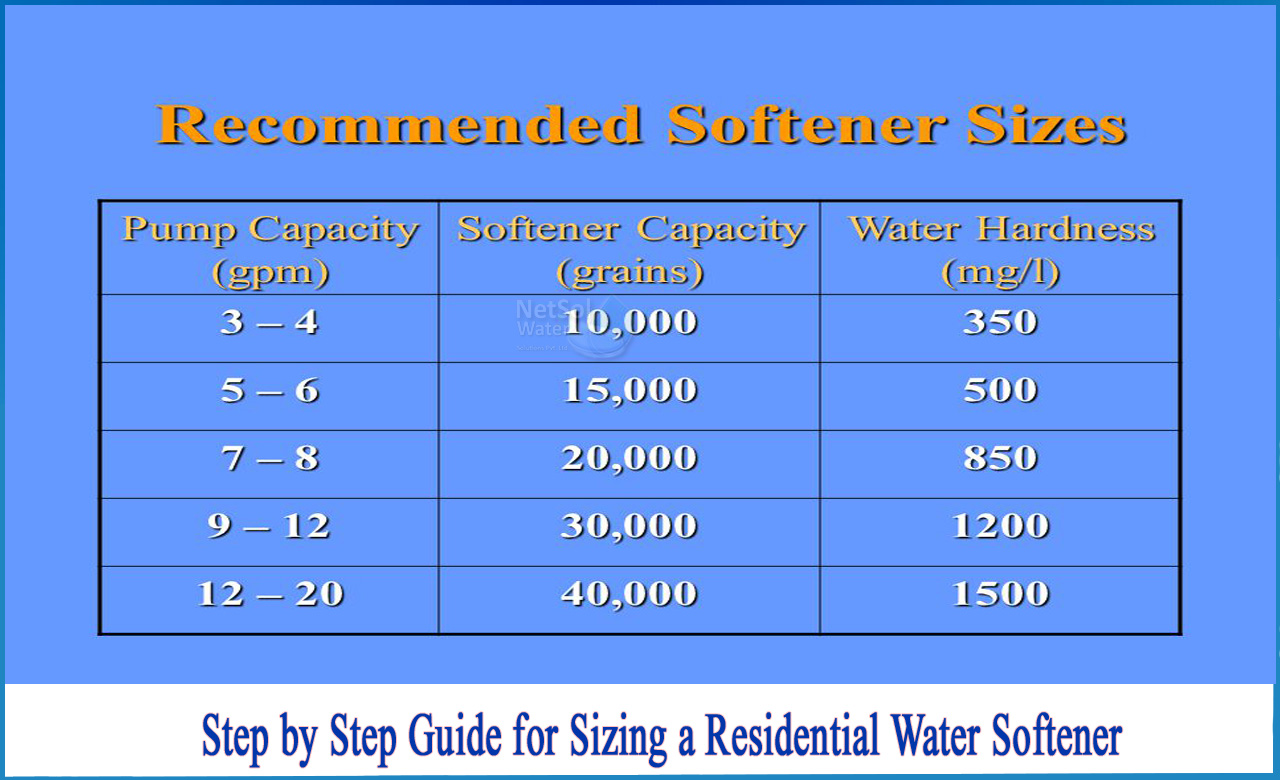
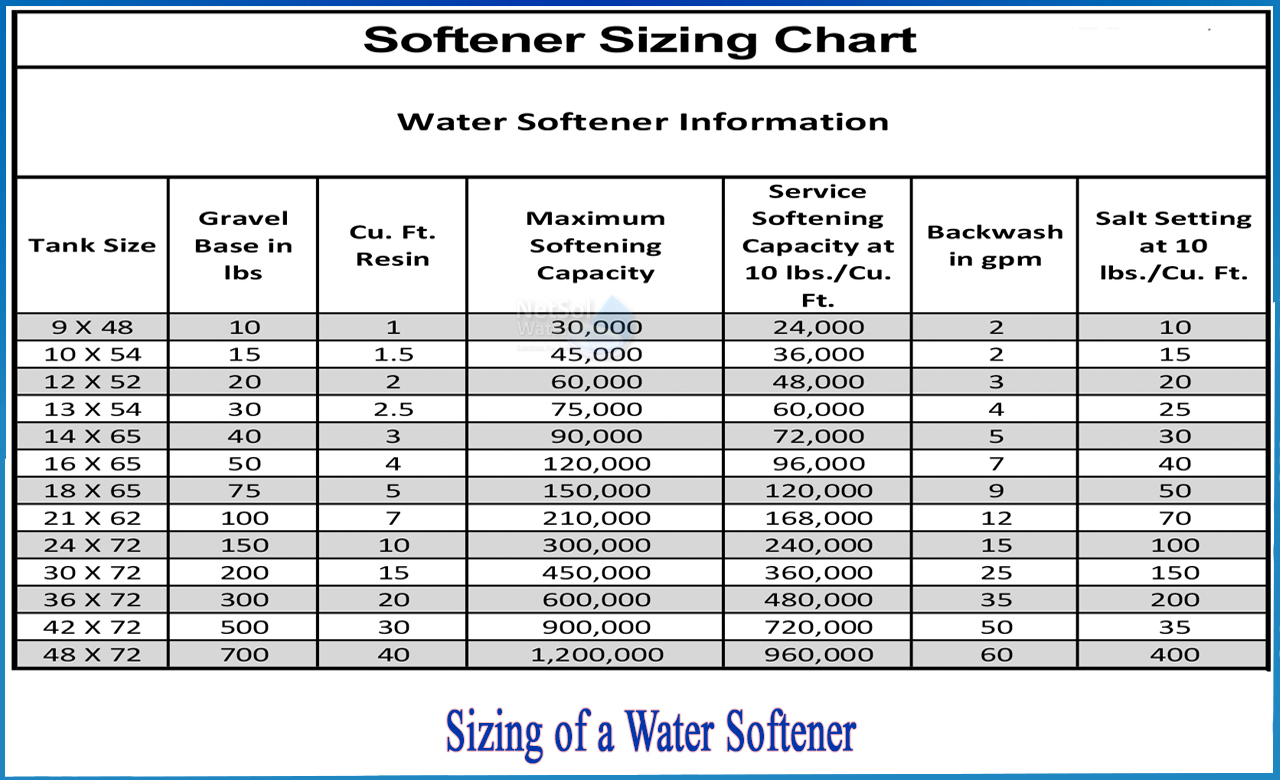
Water softeners have a grain capacity rating. It shows how many grains of hardness they can remove before regenerating. For a family of four, a softener with 30,000 to 40,000 grains capacity fits well. This size handles average water use and hardness levels. Choosing the right capacity prevents frequent regeneration cycles.
Adjusting For Peak Usage
Peak water use happens during mornings and evenings. More water flows through the softener at these times. A slightly larger softener size can handle this surge. It keeps soft water steady without pressure drops. Planning for peak use improves comfort and system lifespan.
Installation And Maintenance Tips
Installing and maintaining a water softener for a family of four keeps the system working well. Proper care helps the unit last longer and provide soft water consistently. Follow simple tips for placement, salt refills, and cleaning to avoid common issues.
Placement Considerations
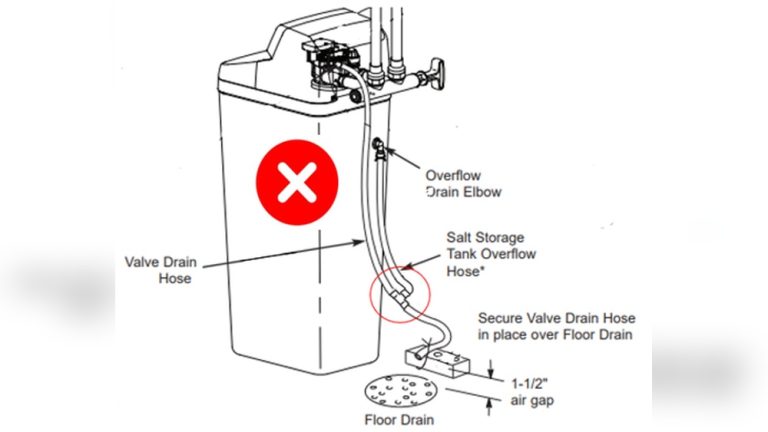
Choose a dry, cool place near the main water line. Avoid areas with direct sunlight or extreme temperatures. The softener should be near a drain for easy water discharge. Leave enough space around the unit for maintenance tasks.
Regular Salt Refills
Check the salt level every month. Use quality salt made for water softeners. Keep the salt level above the water line inside the tank. Do not let the salt run out to avoid damage to the system.
System Cleaning And Troubleshooting
Clean the brine tank once a year to remove salt buildup. Flush the system to clear any blockages or dirt. If the water feels hard again, check for salt bridges or low salt levels. Consult the manual for simple troubleshooting steps.
Cost And Energy Efficiency
Choosing the right water softener size for a family of four affects both cost and energy use. A properly sized unit saves money and uses less power. Understanding these factors helps make a smart decision.
Initial Investment
The price of a water softener depends on its size and features. Larger units cost more upfront. A unit for four people usually falls in the mid-price range. Cheaper models may save money now but might not work well.
Operating Costs
Operating costs include salt, water, and maintenance. Bigger softeners use more salt but regenerate less often. Smaller units may regenerate more, raising salt use. Regular upkeep prevents costly repairs later.
Energy Consumption
Water softeners use electricity mainly during regeneration. Larger units regenerate less often, saving energy over time. Choose an energy-efficient model to cut power bills. Lower energy use means less impact on the environment.
Conclusion
Choosing the right water softener size keeps your family’s water clean and safe. A family of four usually needs a system that handles about 30,000 to 40,000 grains. This size helps remove hard minerals without wasting salt or water. Think about your daily water use and hardness level before buying.
Proper sizing saves money and improves water quality. Good soft water means better skin, cleaner dishes, and longer-lasting pipes. Take time to pick the right softener for your home’s needs. Your family will notice the difference every day.