
Are you tired of dealing with hard water problems like spots on your dishes or dry skin? Understanding the grain size of your water softener resin could be the simple key to solving these issues.
Your water softener’s performance depends a lot on this tiny detail, but most people overlook it. You’ll discover why grain size matters, how it affects your water quality, and what you can do to choose the right one for your home.
Keep reading to unlock the secret to softer, cleaner water every day.
Importance Of Grain Size
Grain size plays a key role in water softeners. Smaller grains give a larger surface area. This helps the softener work faster and better. Water passes through the resin more easily, so it removes hard minerals well.
Big grains let water flow quickly but have less surface area. This can make softening less efficient. The right grain size balances speed and cleaning power.
Resin lasts longer with the right grain size. Too small grains can wear out resin faster. Too big grains might need more frequent cleaning. Good grain size keeps the resin healthy and effective for a long time.
Types Of Water Softener Grains
Fine grains have the smallest size. They work fast to remove hard minerals. These grains offer a quick softening process but may clog easier. They suit homes with soft water needs and low flow rates.
Medium grains are the most common type. They balance speed and durability well. Medium grains work efficiently for most households. They resist clogging and last longer than fine grains.
Coarse grains are the largest. They handle high water flow and last very long. These grains work slower but are strong and less likely to clog. They fit places with hard water and heavy use.
Choosing The Right Grain Size
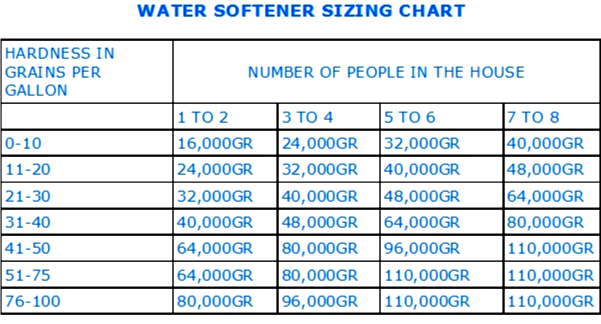
Water hardness levels decide the grain size needed for your softener. Hard water needs larger grains to work well. Softer water can use smaller grains. This helps the system clean water efficiently.
Flow rate is how fast water moves through the softener. Higher flow rates need bigger grains. They let water pass quickly without blocking. Low flow rates can use smaller grains for better softening.
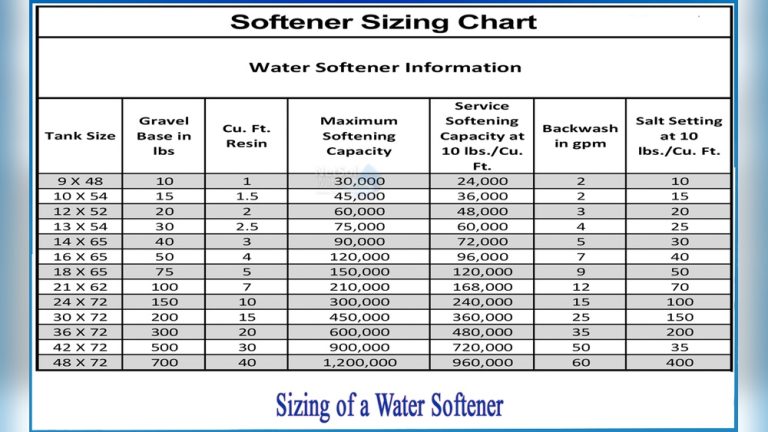
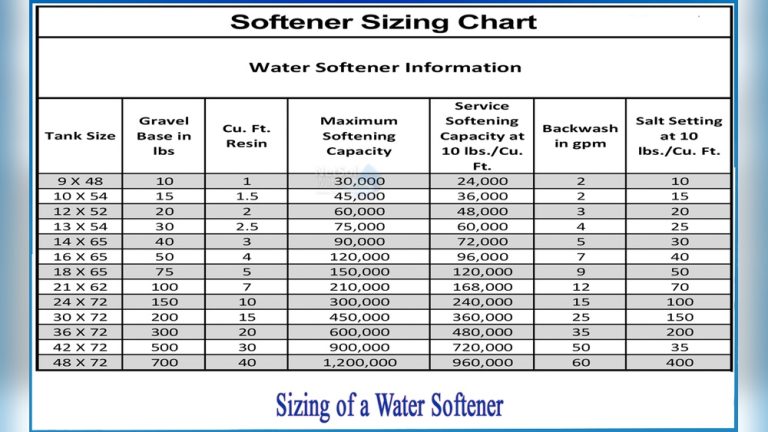
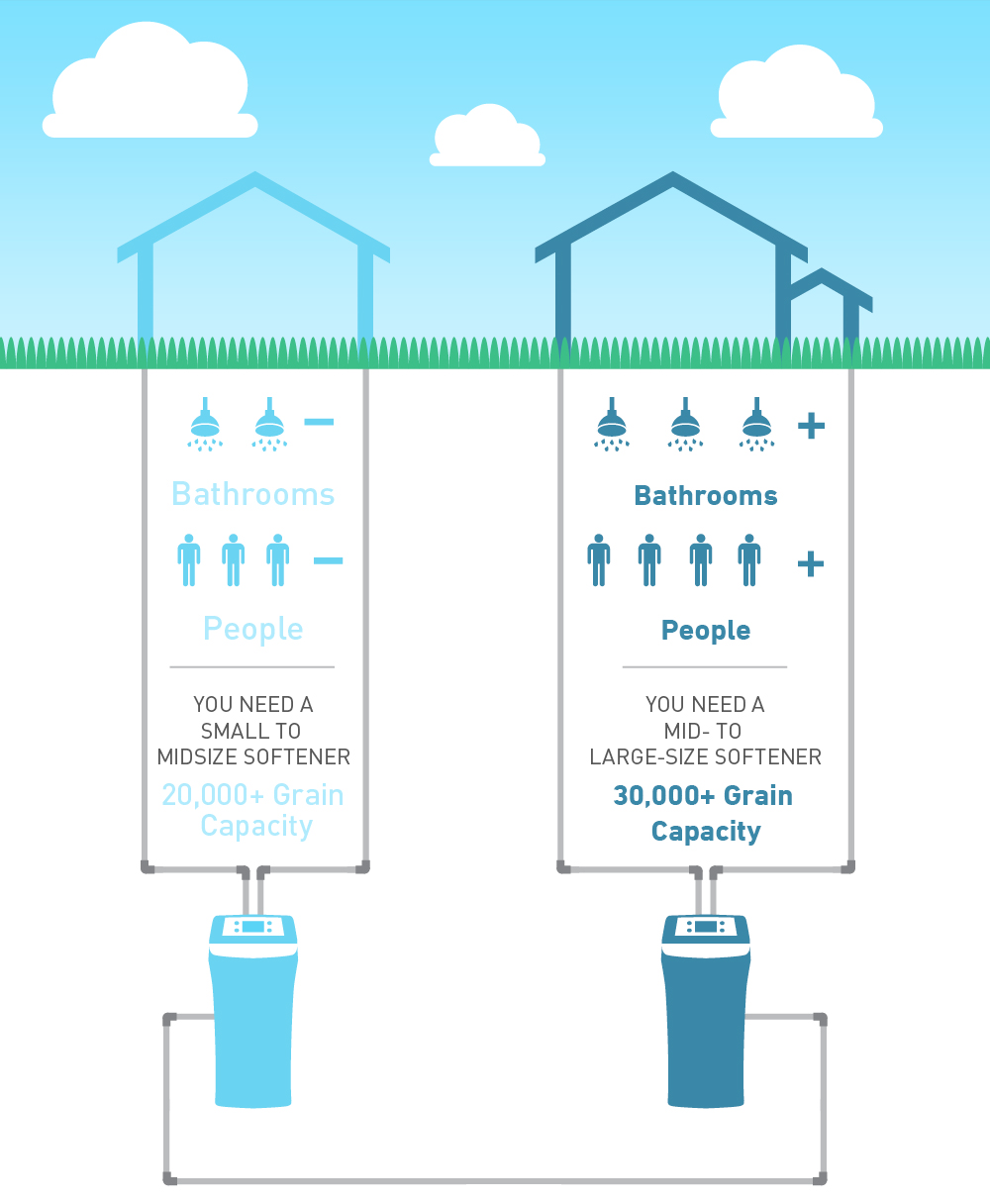
System capacity means how much water the softener can handle. Bigger systems often use bigger grains. This keeps the system working longer without problems. Smaller systems use smaller grains for better control.

Credit: www.softprowatersystems.com
Installation Tips For Optimal Performance
Proper resin bed depth is key for good water softener work. The bed should be deep enough to hold the resin grains well. Too shallow, and the resin moves too much. Too deep, and water flow slows down. The usual depth is about 36 to 48 inches. This helps the softener clean water evenly and last longer.
Avoiding channeling means stopping water from making paths through the resin bed. Channeling wastes the softener’s power and lets hard water pass. To stop this, keep the resin bed level and packed right. Use a gravel support under the resin to hold it steady. Also, check for any damage or cracks in the tank that might cause water to flow unevenly.
Maintenance And Grain Replacement
Signs of grain degradation include reduced water softness and slower flow. Grains may look dull or clumped inside the softener tank. Hard water stains on dishes or surfaces also signal worn grains. These signs mean the grains no longer work well.
Replace grains every 3 to 5 years for best performance. Turn off water and power before starting. Remove old grains by scooping or vacuuming them out. Clean the tank to remove debris and buildup. Add new grains to the tank, filling it to the recommended level. Restart the system and check for leaks.
Common Mistakes To Avoid
Using the wrong grain size can make your water softener less effective. Too large grains may not soften water well. Too small grains can cause clogging and reduce flow. Always choose the right size for your system to keep it working properly.
Neglecting regular maintenance causes many problems. Resin beads get dirty and lose their power. This leads to harder water and more damage to pipes. Clean and check your system often. It keeps your water soft and your softener lasting longer.
Benefits Of Perfect Softening
Perfect softening helps appliances last longer. Hard water causes scale buildup that harms machines like dishwashers and water heaters. Soft water prevents damage and keeps appliances working well.
Water feels cleaner and softer with the right grain size. It improves taste and is gentle on skin and hair. Clothes wash better and stay brighter.
Soft water saves energy. Without hard minerals, water heats up faster. This means using less power and lower bills. Softening water makes homes more efficient.
Credit: homewater101.com
Credit: www.greatwatersofteners.com
Frequently Asked Questions
What Is Water Softener Grain Size?
Water softener grain size refers to the diameter of resin beads inside the softener. It affects ion exchange efficiency and water flow rate. Smaller grains increase surface area, improving softening but may reduce flow. Choosing the right grain size balances performance and water pressure.
How Does Grain Size Affect Water Softening?
Grain size impacts how effectively the resin removes hardness minerals. Smaller grains offer more surface area, enhancing softening. Larger grains allow better water flow but may reduce ion exchange efficiency. Proper grain size ensures optimal water softness and system longevity.
What Grain Size Is Best For Water Softeners?
The ideal grain size typically ranges from 0. 3 to 1. 2 millimeters. Medium-sized grains provide a good balance of softening efficiency and water flow. The exact size depends on water hardness and system design. Consult manufacturer recommendations for best results.
Can Grain Size Influence Water Pressure?
Yes, smaller grain sizes can restrict water flow, lowering pressure. Larger grains allow smoother water flow with less pressure drop. Selecting the right grain size ensures your water softener maintains adequate pressure while softening effectively.
Conclusion
Choosing the right water softener grain size affects your system’s performance. Smaller grains clean water faster but may clog more quickly. Larger grains last longer but work slower. Balance is key for soft water and system care. Understanding grain size helps you maintain your water softener well.
This knowledge saves money and improves water quality. Keep your softener running smoothly with the right grain choice. Simple steps lead to better water every day.