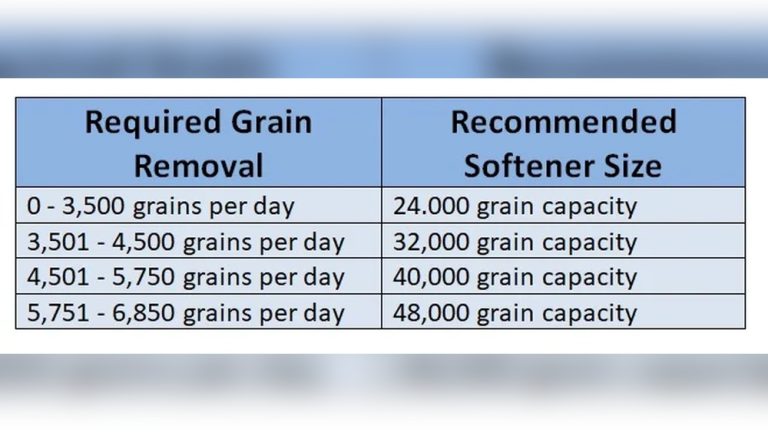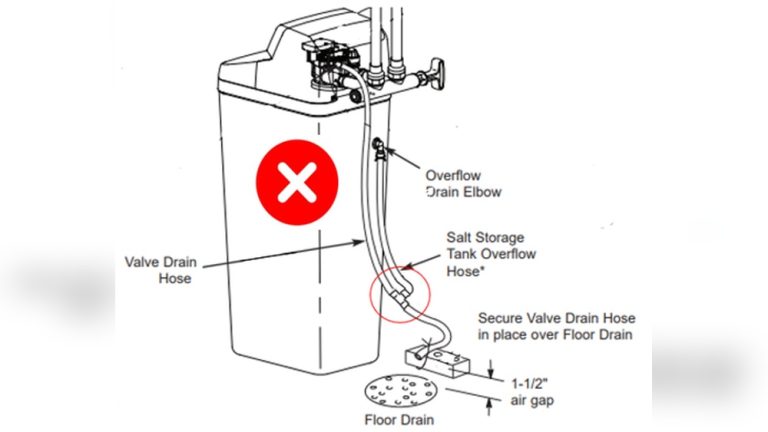

Choosing the right water softener resin tank size is crucial for your home’s water quality and system efficiency. If you pick a tank that’s too small, your water softener won’t work properly, leaving you with hard water problems.
On the other hand, an oversized tank can waste space and cost you more money. You might wonder how to find the perfect size that fits your household needs and budget. This guide will help you understand everything about resin tank sizes, so you can make the best choice and enjoy smooth, soft water every day.
Keep reading to find out what size works for you and why it matters more than you think.
What Is A Resin Tank?
A resin tank holds small beads called resin. These beads help soften hard water by trapping minerals like calcium and magnesium.
The tank is part of a water softener system. Water passes through it, and the resin beads remove the hard minerals.
Over time, the resin needs cleaning with salt water. This keeps the system working well and your water soft.
Choosing the right resin tank size is important. It depends on your home’s water use and hardness level.
Why Tank Size Matters
The size of the resin tank affects how well your water softener works. A tank that is too small cannot hold enough resin to treat all your water. This means hard water may still get through. A tank that is too big wastes space and may cost more.
Choosing the right tank size depends on how much water your home uses each day. Bigger families or homes that use a lot of water need larger tanks. Smaller homes can use smaller tanks. The right size helps the system clean water efficiently and last longer.
Common Resin Tank Sizes
Resin tanks come in different sizes to fit various water softeners. Common sizes include 8×44 inches, 10×54 inches, and 12×52 inches. The size affects how much resin it holds. More resin means better softening for larger homes.
Smaller tanks suit apartments or small families. Larger tanks work well for big families or hard water areas. Choosing the right size helps the system work well and saves space.
| Tank Size (Diameter x Height) | Resin Volume (Gallons) | Best For |
|---|---|---|
| 8×44 inches | 0.8 to 1.0 | Small homes, light water use |
| 10×54 inches | 1.5 to 2.0 | Medium homes, moderate water use |
| 12×52 inches | 2.0 to 3.0 | Large homes, heavy water use |
Factors Influencing Tank Size
Water hardness level affects the size of the resin tank. Harder water needs a bigger tank to hold more resin. The resin removes minerals like calcium and magnesium from water.
Household water usage plays a big role too. More people or higher water use means a larger tank is necessary. This helps the softener work longer without needing a recharge.
Flow rate requirements determine how fast water moves through the tank. A higher flow rate needs a bigger tank so water flows smoothly. This ensures soft water reaches all taps without pressure loss.
Choosing The Right Resin Quantity
The resin quantity in a water softener tank affects how well the system works. More resin means the system can treat more hard water before it needs to clean itself. Choose the right amount based on how many people live in your home and how hard your water is. For example, a family of four with hard water may need about 1 cubic foot of resin. Smaller homes or less hard water may need less.
Too little resin means water will stay hard. Too much resin can waste space and money. Check the water hardness level using a test kit. Then, match that with the resin amount recommended by the softener maker. This helps keep water soft and saves money on salt and water used for cleaning the resin.

Credit: forbiddencityfc.com
Measuring Your Water Softener Space
Measure the space where the resin tank will fit. Use a tape to find the height and width available. Check if there is enough room to open the tank for maintenance. Keep in mind, some tanks need extra space around for airflow and ease of use.
Also, look at the shape of your space. Some tanks are round, others tall and slim. Choose a tank size that fits well and leaves room to work. Don’t forget to check the floor surface for stability.
Impact Of Tank Size On Performance
The size of the resin tank plays a key role in water softener performance. A larger tank holds more resin beads, which means it can treat more water before needing a recharge. This leads to longer softening cycles and less frequent maintenance. Smaller tanks may run out of capacity faster, causing hard water to pass through.
Choosing the right tank size depends on household water use and water hardness level. High water usage or harder water needs a bigger tank. Too small a tank may lower efficiency and increase salt use. Too big a tank wastes space and can cost more.
| Tank Size | Effect on Performance |
|---|---|
| Small | Faster resin exhaustion, more recharges needed |
| Medium | Balanced capacity and recharge frequency |
| Large | Longer cycles, less frequent maintenance |
Resin Tank Material Options
Resin tanks come in different materials. The most common are fiberglass and polyethylene. Fiberglass tanks are strong and lightweight. They do not rust or corrode. Polyethylene tanks are durable and resist chemicals. They are often less expensive but heavier than fiberglass.
Both materials protect the resin inside from damage. Fiberglass tanks often have a smooth finish. This helps prevent dirt buildup. Polyethylene tanks may have a textured surface. This can help with grip during installation.
| Material | Strength | Weight | Cost | Corrosion Resistance |
|---|---|---|---|---|
| Fiberglass | Strong | Light | Moderate | High |
| Polyethylene | Durable | Heavy | Low | High |
Maintenance Tips For Resin Tanks
Check the resin tank regularly for any signs of damage or leaks. Keep the tank clean by rinsing it with water every few months. Use only the recommended amount of salt to avoid overloading the system. Always refill the salt before it runs out completely. Flush the tank to remove trapped dirt and debris that can clog the resin beads. Make sure the tank is level and stable to prevent wear and tear. Test the water hardness after maintenance to ensure the softener works well. Avoid using harsh chemicals, as they can harm the resin. Regular care helps the resin last longer and keeps water soft.
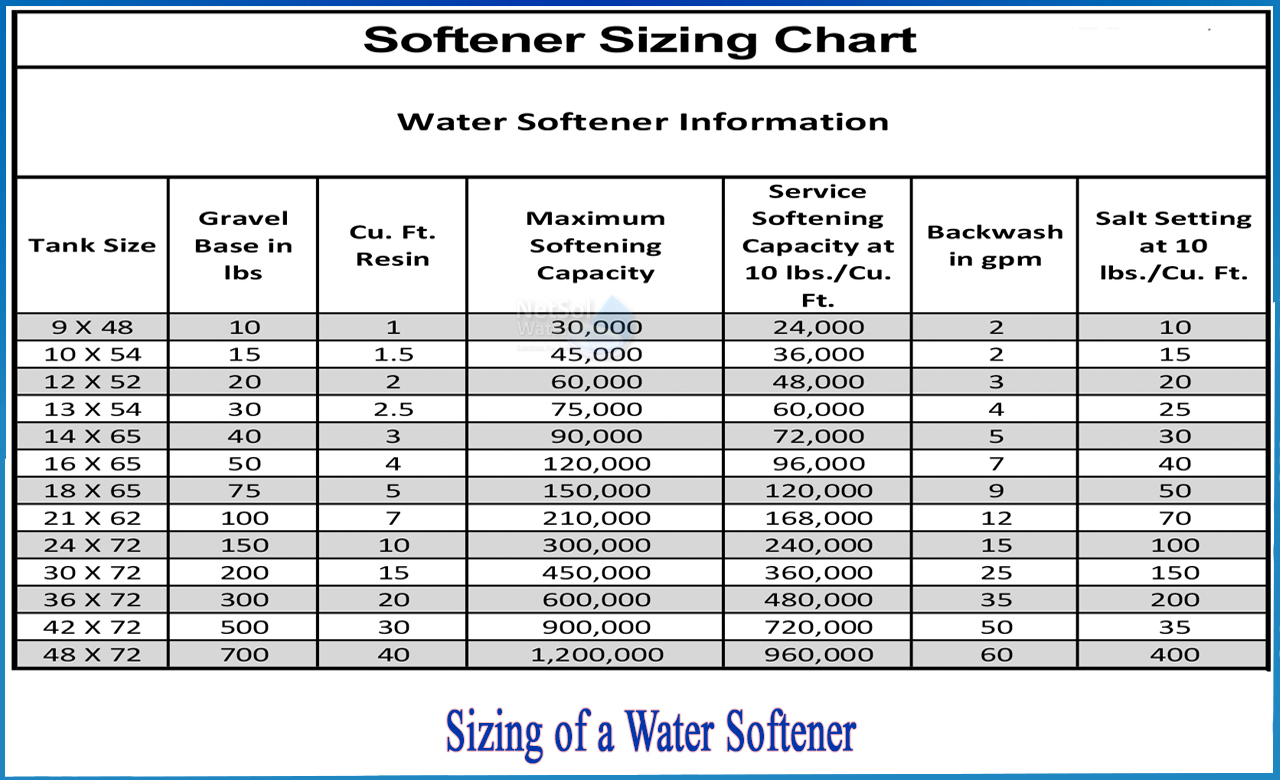
Credit: www.netsolwater.com
Upgrading Or Replacing Your Resin Tank
Choosing the right resin tank size is key for soft water. A larger tank holds more resin, which means it can treat more water before needing a recharge. If your water usage has increased, or your resin is old, it might be time to upgrade. A new tank can improve water quality and system efficiency.
Before replacing, check the size of your current tank. Compare it with your household water use. Too small a tank means frequent recharges; too large wastes space and money.
| Tank Size (Gallons) | Recommended Household Size | Benefits |
|---|---|---|
| 8-10 | 1-2 people | Compact, saves space |
| 12-14 | 3-4 people | Good balance of size and capacity |
| 16-18 | 5+ people | Handles high water use |
Always match tank size to your daily water use. This helps the softener work well and last longer.

Credit: installationpartssupply.com
Frequently Asked Questions
What Determines The Size Of A Water Softener Resin Tank?
The size depends on household water usage and hardness level. Larger homes or harder water require bigger tanks for efficient softening.
How To Choose The Right Resin Tank Size?
Calculate daily water use and hardness. Match these with resin capacity to pick the correct tank size.
Can A Too Small Resin Tank Cause Problems?
Yes, a small tank leads to frequent regeneration and insufficient softening. It reduces efficiency and increases salt use.
Does Tank Size Affect Water Softener Lifespan?
Proper tank sizing ensures balanced wear, extending lifespan. Oversized or undersized tanks may reduce system durability.
Conclusion
Choosing the right water softener resin tank size is key to good water quality. A properly sized tank saves money and works better. Too small a tank means frequent refills. Too large wastes space and resources. Think about family size and water use daily.
This helps pick a tank that fits your needs. Good water softening protects pipes and appliances. It also improves soap and detergent use. Remember, the right tank size leads to softer water all day. Simple choices make a big difference at home.