
Choosing the right water softener drain hose size might seem like a small detail, but it can make a big difference in how well your system works. If your hose is too narrow or too wide, you could face leaks, backups, or even damage to your softener.
You want to avoid costly repairs and keep your water softener running smoothly. You’ll discover exactly what size hose fits best, why it matters, and how to pick the perfect one for your setup. Keep reading to make sure you get it right the first time.
Credit: aquasureusa.com
Choosing The Right Hose Size
The standard hose sizes for water softener drains usually range from 1/4 inch to 1/2 inch in diameter. This size fits most water softener models and helps drain water effectively. Choosing the right diameter depends on the water softener’s size and flow rate.
Factors influencing hose diameter include water pressure, distance from the softener to the drain, and the type of drain connection. Using a hose that is too small can cause slow drainage or clogging. A hose that is too large might be hard to fit or seal properly.
The hose size impacts performance by controlling how fast water leaves the softener. A properly sized hose ensures efficient drainage and prevents backups or leaks. It also helps the softener work smoothly without extra strain.
Credit: rheemwatertreatment.zendesk.com
Measuring Your Drain Hose
To measure your water softener drain hose, gather a few basic tools. You need a tape measure and a ruler. These help get the hose diameter and length right.
Start by laying the hose flat. Use the tape measure to find the hose length. Next, use the ruler to measure the hose diameter across its opening. Measure in inches for accuracy. Write down your numbers.
Common mistakes include measuring the hose too loosely or not checking the diameter. Sometimes, people forget to measure the inside diameter, which is crucial. Avoid bending the hose during measurement. Bends can cause wrong readings.
Material Types For Drain Hoses
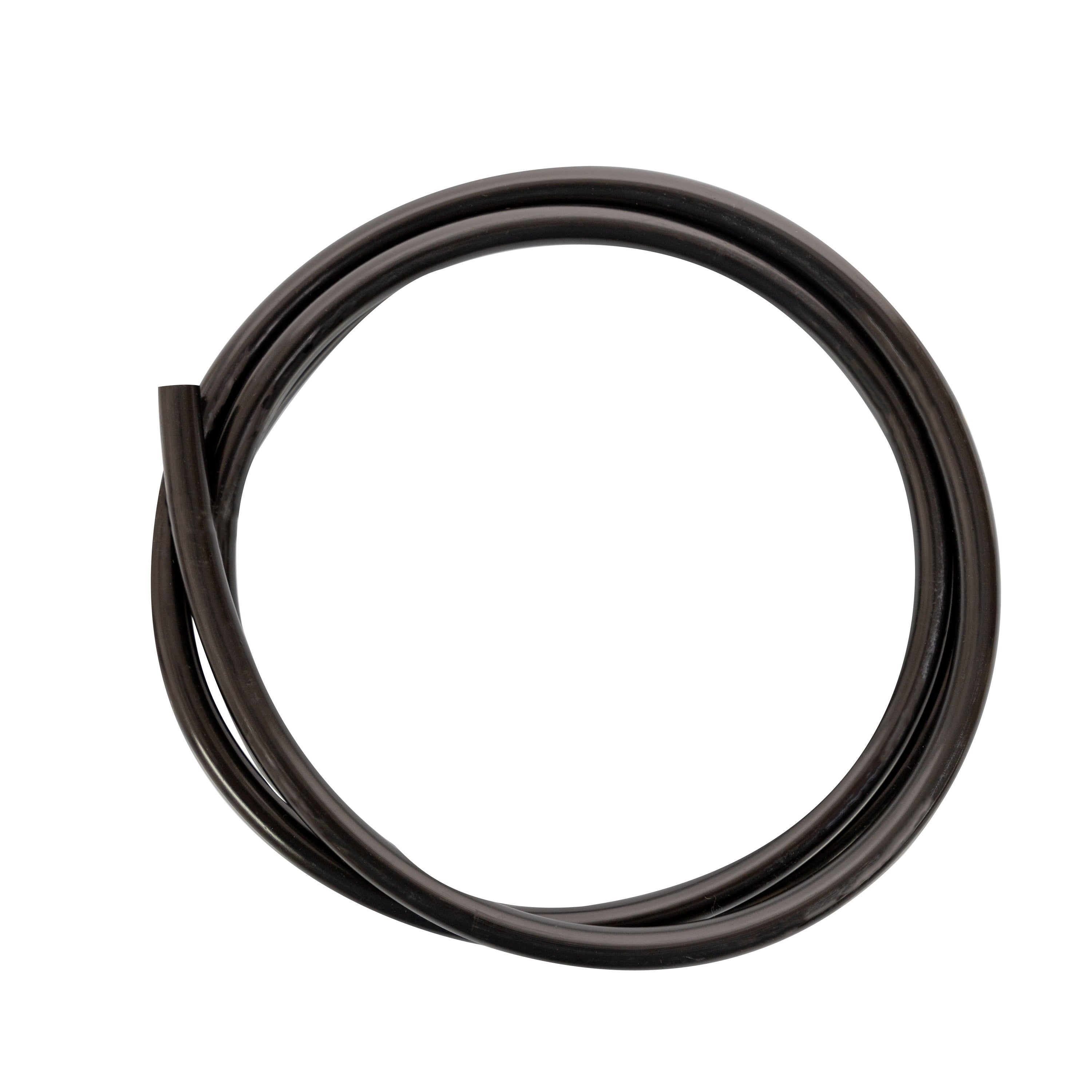
Flexible hoses bend easily and fit in tight spaces. They are lighter and easier to install. Rigid hoses hold their shape and resist kinks better. They are stronger but harder to move.
Drain hoses must resist chemicals from water softeners. Flexible hoses usually have good chemical resistance but wear out faster. Rigid hoses last longer and handle harsh chemicals well.
Cost varies between hose types. Flexible hoses are usually cheaper upfront. Rigid hoses cost more but may save money over time due to durability. Choosing the right hose depends on space, chemical needs, and budget.
Credit: gregknowswater.com
Installation Tips For Drain Hoses
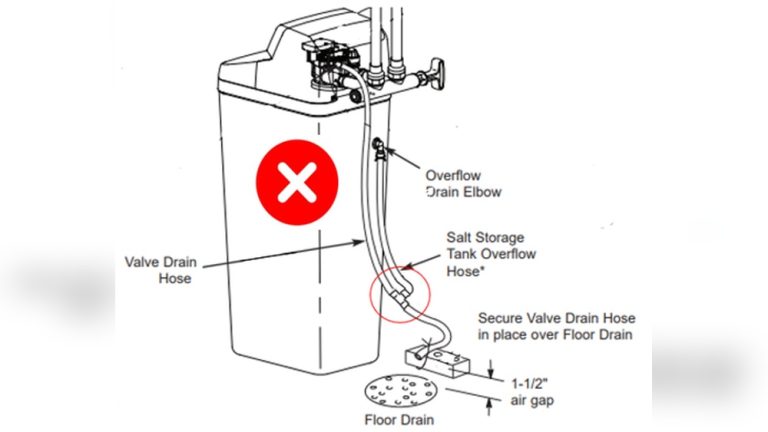
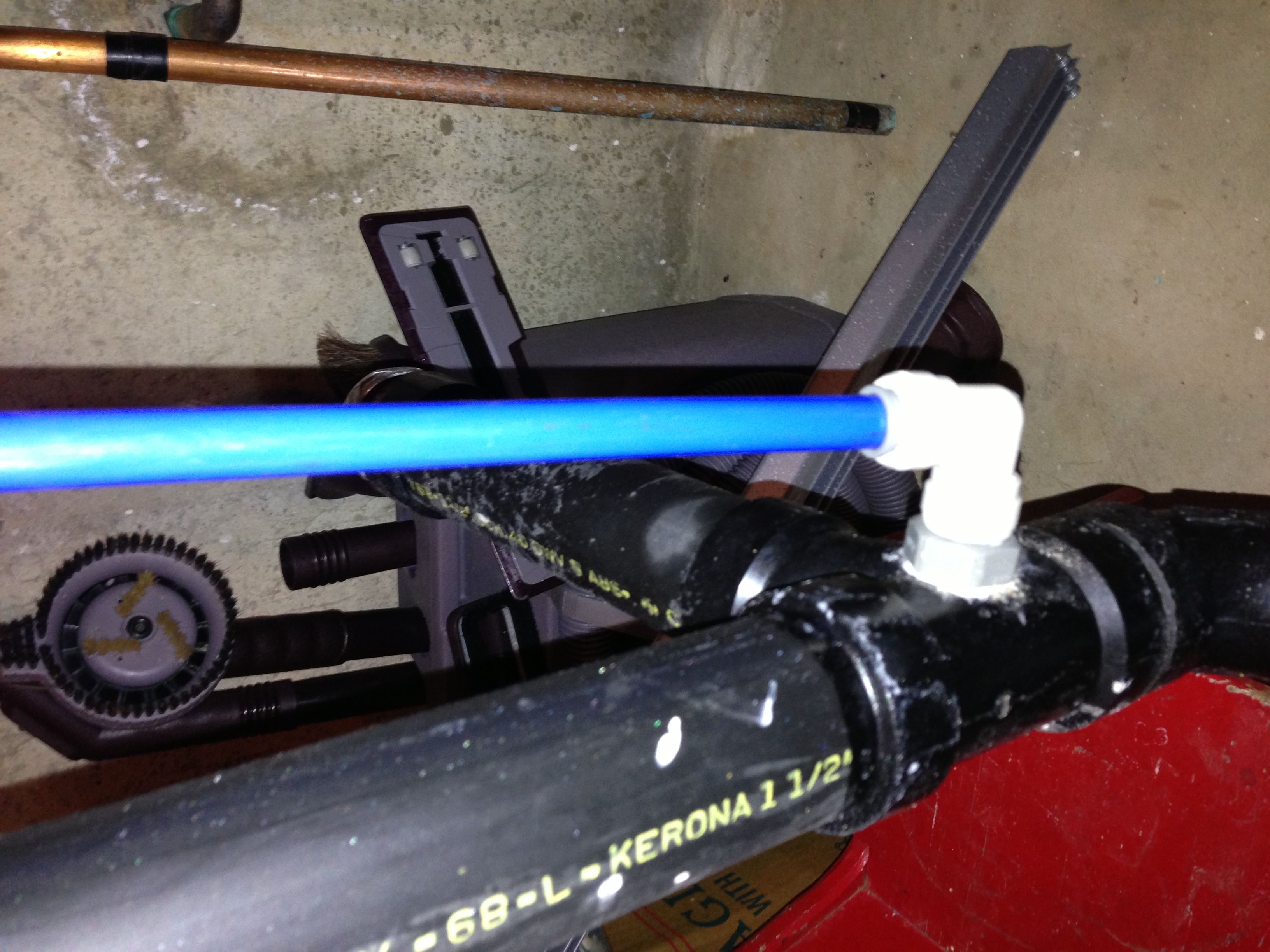
Choose a drain hose with the correct diameter for your water softener. Routing the hose straight helps water flow easily. Avoid sharp bends or loops that cause blockages. Keep the hose away from heat sources and sharp edges. Use clips or brackets to secure hose connections firmly. Loose connections may cause leaks or water damage. Check that the hose end is positioned correctly to drain water safely. Make sure the hose is long enough but not too long to avoid sagging. Regularly inspect the hose for cracks or wear. Replace it if you see any damage to maintain proper drainage.
Troubleshooting Hose Issues
Leaks often occur near hose connections or bends. Check for wet spots or water stains. Small cracks or holes may cause water to drip slowly. Use a flashlight to spot hidden damage inside dark areas.
Common flow problems include slow drainage or water backup. Kinks or bends in the hose can block water flow. Dirt or debris inside the hose also stops smooth drainage. Clean or straighten the hose to fix these issues.
| When to Replace the Hose | Signs |
|---|---|
| Visible Cracks or Holes | Water leaks or wet floor near hose |
| Hose Feels Hard or Brittle | Material breaks easily when bent |
| Persistent Flow Problems | Cleaning does not fix slow drainage |
| Old Hose (5+ years) | Wear and tear reduce hose life |
Upgrading Or Replacing Your Hose
Leaks, cracks, or clogs often signal a hose upgrade is needed. If the hose feels stiff or brittle, it may fail soon. A hose that doesn’t fit well can cause water damage. Choose a hose size that matches your water softener’s drain outlet. Common sizes are 1/2 inch or 5/8 inch. Using a wrong size can cause leaks or poor drainage.
DIY replacement can save money but requires care. Make sure to turn off the water supply first. Measure your old hose length before buying a new one. Connect the hose securely to avoid leaks. Professional help ensures correct size and fit. It can prevent costly mistakes and ensure long-lasting performance.
Frequently Asked Questions
What Is The Ideal Size For A Water Softener Drain Hose?
The ideal water softener drain hose size is typically 3/4 inch in diameter. This size ensures efficient water flow and prevents clogging or backups during the regeneration process.
Can I Use A Smaller Drain Hose For My Water Softener?
Using a smaller drain hose, like 1/2 inch, is not recommended. It can cause slow drainage, backups, and may damage the softener’s valve over time.
How Long Can A Water Softener Drain Hose Be?
A water softener drain hose should generally be less than 25 feet long. Longer hoses can reduce flow pressure and cause drainage issues.
Does Hose Size Affect Water Softener Performance?
Yes, the drain hose size directly impacts performance. Correct size ensures proper drainage, preventing water damage and maintaining the softener’s efficiency.
Conclusion
Choosing the right water softener drain hose size matters a lot. It helps water flow smoothly and stops leaks. A hose that is too small can cause clogs. Too big, and it may waste space or water. Check your softener’s guide for the best fit.
Proper hose size keeps your system working well. It saves you time and trouble later. Always use the right hose to protect your home. Simple steps like this keep your water softener running strong.