
Are you tired of dealing with hard water problems like spots on your dishes, dry skin, or clogged pipes? Choosing the right water softener size is the key to fixing these issues once and for all.
But how do you know which size fits your home perfectly? If you pick the wrong one, you might waste money or still face stubborn hard water troubles. You’ll discover simple steps to figure out the ideal water softener size for your needs.
Keep reading to make a smart choice that saves you time, money, and frustration.
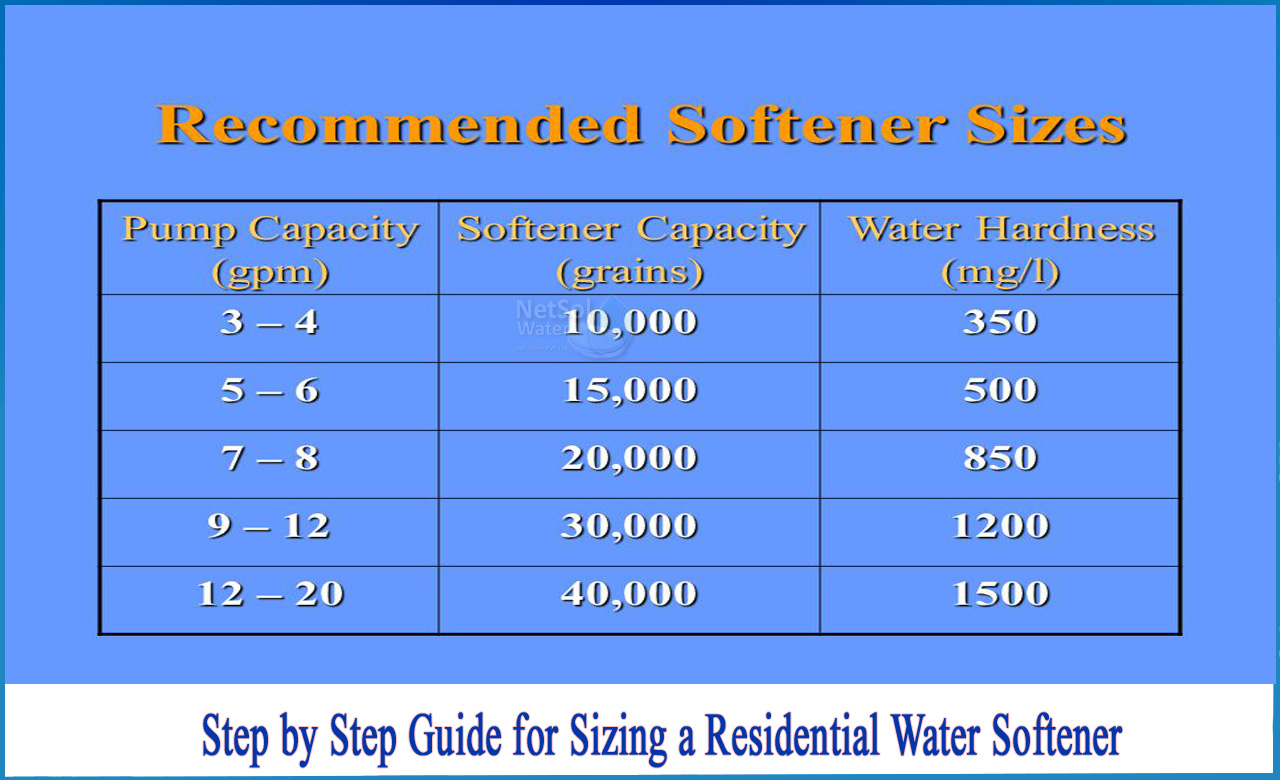
Credit: www.netsolwater.com
Factors Affecting Water Softener Size
Choosing the right size for a water softener depends on several key factors. These factors help ensure the system works well and lasts long. Understanding them will guide you to the best decision for your home.
Water Hardness Levels
Water hardness shows how much calcium and magnesium the water holds. Harder water needs a bigger softener to handle more minerals. Testing water hardness helps find the right size. Softening capacity must match the hardness level for best results.
Household Water Usage
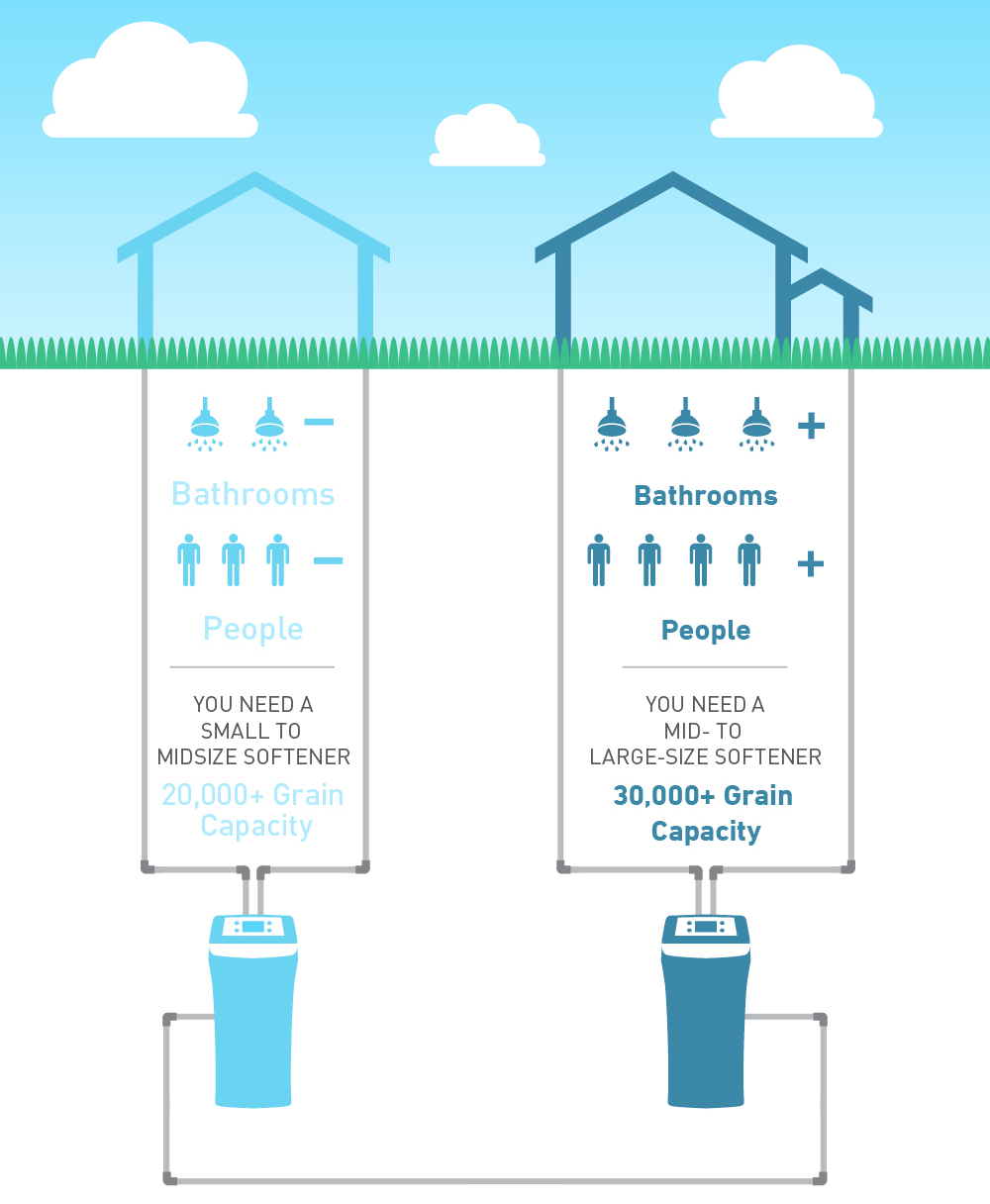
How much water your home uses affects softener size. More water means the softener must work harder. Daily water use includes drinking, cooking, cleaning, and bathing. Larger water use calls for a bigger system to keep soft water flowing.
Number Of Occupants
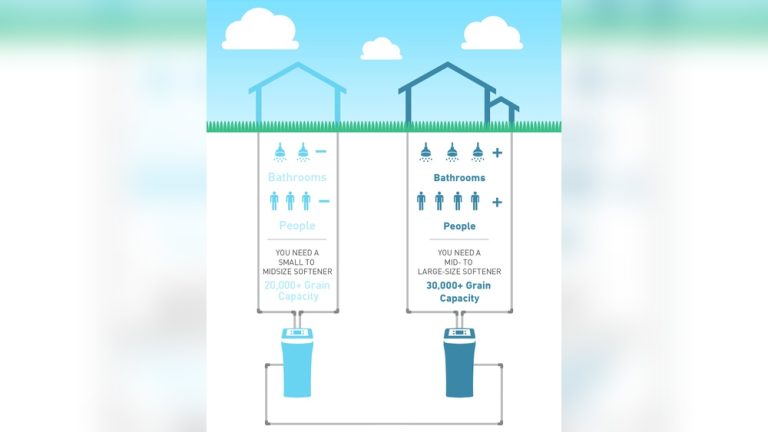
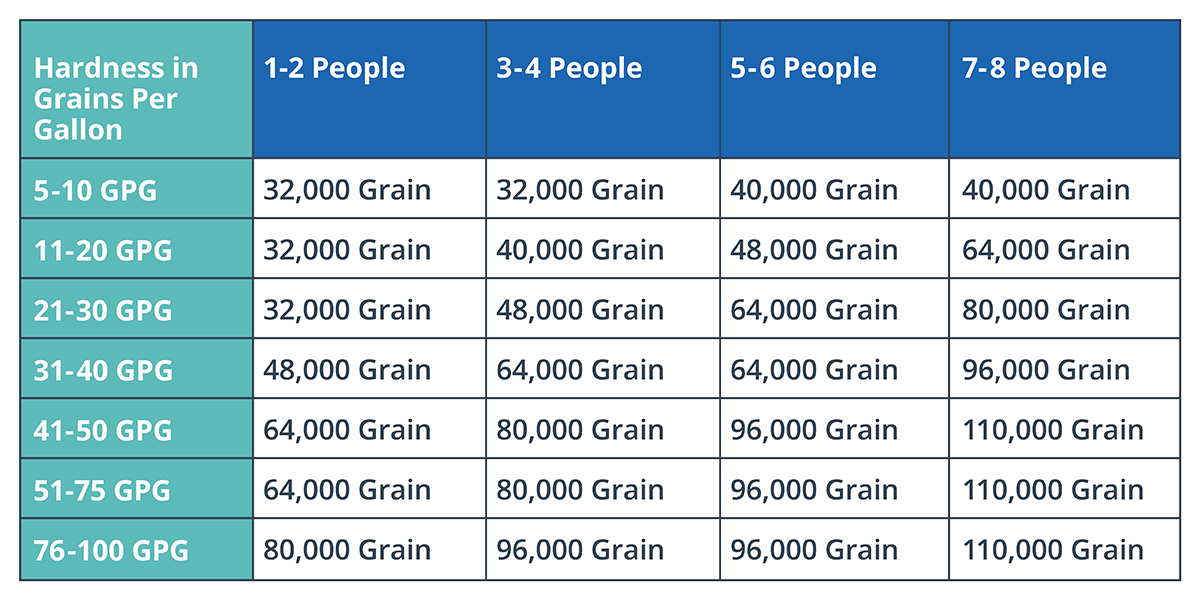
The number of people living in the house impacts water softener needs. More occupants usually mean higher water use. A home with many residents requires a larger softener. This ensures all water stays soft without running out quickly.
Type Of Water Softener
Different softener types have varying capacities. Some use salt, others use potassium or electric systems. Salt-based softeners often need more space but work well for heavy use. Knowing the type helps pick a size that fits your needs and home space.
Measuring Water Hardness
Measuring water hardness is key to choosing the right water softener size. Water hardness means how much calcium and magnesium is in your water. These minerals cause scale buildup and affect water quality. Knowing your water hardness helps pick a softener that works well and lasts longer.
Testing water hardness is simple and can be done at home or by a professional. The results guide the softener’s capacity to treat your water effectively.
Testing Methods
Use a water hardness test kit for quick results. These kits have strips that change color in hard water. Another way is sending a water sample to a lab. Labs give detailed and accurate results. Some people use digital meters to measure hardness on-site. Choose a method that fits your budget and needs.
Reading Test Results
Test results show hardness in grains per gallon (gpg) or parts per million (ppm). Soft water has less than 1 gpg. Hard water ranges from 7 to 10 gpg or more. High numbers mean you need a bigger softener. Compare your results to local water hardness levels. This comparison helps confirm your test accuracy.
Frequency Of Testing
Test water hardness once a year for best results. Check more often if you notice scale or soap issues. Testing after plumbing changes is smart. Regular checks keep your softener working well. It prevents damage and keeps water soft consistently.
Calculating Water Usage
Calculating water usage is the first step in choosing the right water softener size. It helps understand how much water your household uses daily. This way, you pick a softener that handles your needs without wasting energy or salt. Accurate calculation avoids buying a unit that is too big or too small.
Average Daily Consumption
Start by knowing your average daily water use. Check your water bills for past months. Find the total water used in gallons or liters. Divide that number by the days in the billing period. This gives the average daily consumption. It shows how much water your home uses on a normal day.
Peak Usage Considerations
Water use changes during busy times. Morning routines or evenings can use more water. Think about these peak times. Add extra water amount to your average daily use. This ensures the softener handles high demand. It avoids running out of soft water during busy hours.
Adjusting For Appliances
Appliances like dishwashers and washing machines use more water. Count the number of these machines in your home. Add their water use to your daily total. This adjustment helps match the softener capacity to your real needs. It prevents overworking the system and saves salt.
Sizing Based On Grain Capacity
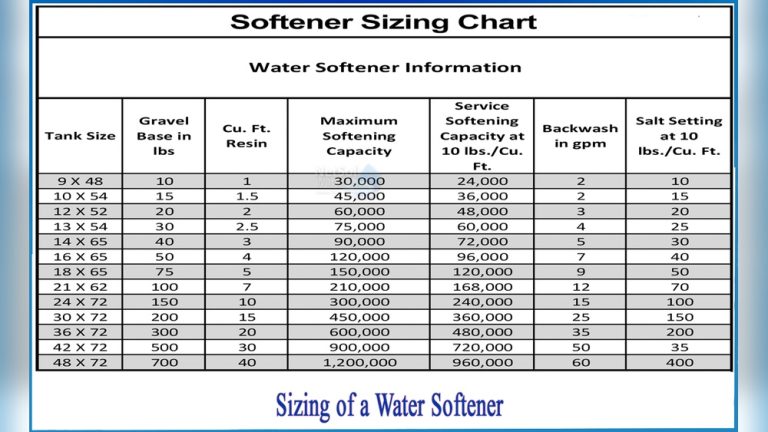
Sizing a water softener based on grain capacity helps ensure it meets your household needs. Grain capacity shows how much hardness the softener can remove before it needs a recharge. Choosing the right size prevents hard water damage and saves salt and water during regeneration.
What Is Grain Capacity?
Grain capacity measures the amount of hardness a softener can handle. It is usually listed in grains per gallon (gpg) or total grains. One grain equals one part per million of hardness. Higher grain capacity means the softener can treat more hard water before recharging.
Matching Capacity To Hardness
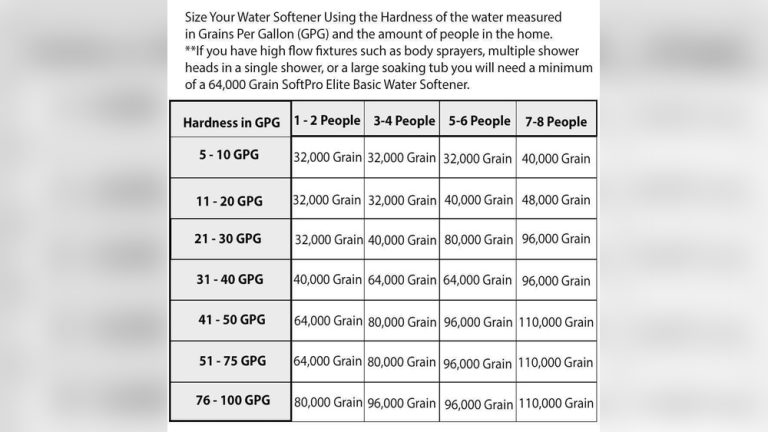
First, test your water hardness with a simple kit or lab test. Multiply the hardness level by your daily water use to find your needs. For example, if hardness is 10 grains per gallon and use is 50 gallons daily, you need a softener that handles 500 grains daily. Choose a softener with a grain capacity that fits or exceeds this number.
Choosing Regeneration Frequency
Regeneration cleans the softener and restores its ability. Softener sizes affect how often this happens. Larger capacity softeners regenerate less often. Less frequent regeneration saves salt and water. Pick a regeneration schedule that fits your lifestyle and budget.
Choosing The Right Softener Type
Selecting the correct water softener type affects your home’s water quality. Softener types vary in how they treat hard water. Each type works differently and suits different needs. Understanding these options helps pick the best fit for your household.
Consider your water hardness, budget, and maintenance willingness. The right softener type can save money and effort over time. Below are common softener types and their features to guide your choice.
Salt-based Vs Salt-free
Salt-based softeners remove minerals like calcium and magnesium. They use salt to exchange these minerals with sodium. This process makes water soft and prevents scale buildup.
Salt-free softeners do not remove minerals. Instead, they condition water to stop minerals from sticking to pipes. These systems need less maintenance and no salt refills.
Salt-based softeners are effective for very hard water. Salt-free systems work well for moderate hardness and are eco-friendly.
Magnetic And Electronic Options
Magnetic and electronic softeners use fields to change mineral properties. They do not remove minerals from water. Instead, they reduce scale formation inside pipes and appliances.
These options require no salt or chemicals. They are easy to install and need little upkeep. Effectiveness varies based on water type and flow rate.
Magnetic and electronic softeners suit homes with mild to moderate hardness. They work best as preventive solutions.
Pros And Cons
Salt-based softeners offer strong softening but need regular salt refills. They can increase sodium in water and require waste water discharge.
Salt-free softeners are low maintenance and eco-friendly. They do not add sodium but may not soften very hard water.
Magnetic and electronic softeners are easy to install and maintain. Their effectiveness is less predictable and depends on water conditions.
Choosing the right softener type depends on water hardness, budget, and care preferences. Weigh the pros and cons carefully before deciding.
Credit: www.aquasana.com
Installation And Maintenance Tips
Installing a water softener correctly makes it work better and last longer. Proper placement helps the system clean water efficiently. Regular care keeps the softener running smoothly. Small checks can stop big problems before they start. Understanding simple maintenance helps save time and money.
Placement Considerations
Choose a dry, cool place for your water softener. Avoid areas with direct sunlight or extreme heat. Place it near the main water line for easy access. Ensure enough space around the unit for servicing. Keep it close to a drain for salt and water discharge. Avoid spots that freeze during winter.
Routine Maintenance Schedule
Check salt levels every month. Refill salt before it runs out to keep softening water. Clean the brine tank once a year to remove buildup. Inspect the system for leaks or salt bridges regularly. Replace filters as recommended by the manufacturer. Follow the manual’s schedule to keep the softener healthy.
Troubleshooting Common Issues
Look for salty water as a sign of salt overdose. If water feels hard, check salt level and settings. Clean salt bridges that form in the tank. Reset the system if it stops working after a power outage. Listen for unusual noises indicating mechanical problems. Call a professional if issues persist after basic fixes.
Credit: homewater101.com
Frequently Asked Questions
How Do I Calculate Water Softener Size?
Calculate water softener size by multiplying daily water usage by water hardness. This gives total grains to remove. Choose a softener with capacity slightly above this number for efficiency.
What Factors Affect Water Softener Size?
Water hardness, daily water use, and household size affect softener size. Higher hardness or more water use needs a larger unit. Consider future needs when selecting size.
How Often Should A Water Softener Regenerate?
Regeneration frequency depends on softener size and water use. Typically, it occurs every 3 to 7 days. Proper sizing helps maintain optimal regeneration intervals.
Can A Too Small Water Softener Cause Problems?
Yes, a small softener leads to frequent regeneration and hard water bypass. This reduces efficiency and increases salt and water waste. Proper sizing avoids these issues.
Conclusion
Choosing the right water softener size saves money and avoids problems. Know your water hardness and daily water use first. Then pick a softener that handles your needs easily. A properly sized unit works efficiently and lasts longer. It keeps your pipes, appliances, and skin healthy.
Take time to measure and calculate carefully. This simple step makes a big difference in water quality. Trust your numbers and choose wisely for a smooth water softening experience.