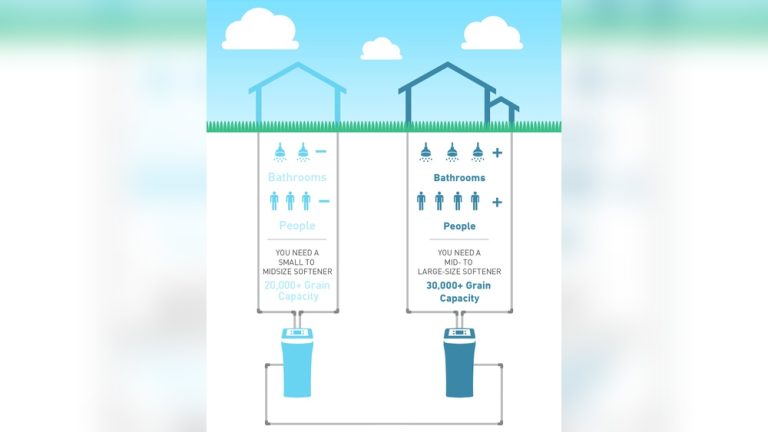

Choosing the right size Fleck water softener can feel confusing. You want a system that fits your home and meets your water needs without wasting money or space.
If your softener is too small, it won’t keep up with hard water problems. Too big, and you’ll pay more than necessary. This guide will help you find the perfect Fleck water softener size for your home. By the end, you’ll know exactly what to look for to protect your pipes, appliances, and skin.
Keep reading to make a smart, confident choice for your water quality.
How Water Softeners Work
Water softeners remove hard minerals from your water. Hard water has calcium and magnesium. These minerals cause scale build-up on pipes and appliances.
The softener changes hard water into soft water. It uses a process called ion exchange. This process swaps hard minerals for sodium or potassium ions.
Ion Exchange Process
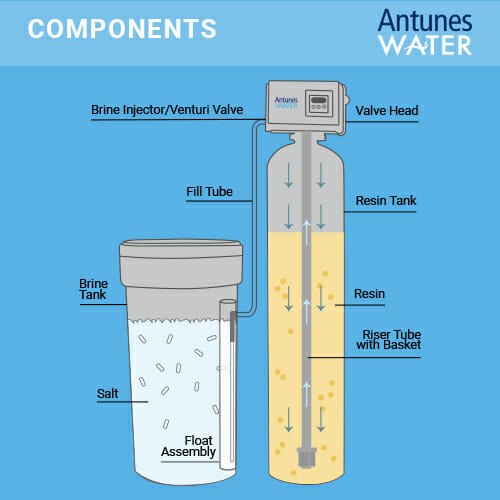
Water flows through a tank filled with resin beads. These beads carry sodium or potassium ions. When hard water passes over them, the beads attract calcium and magnesium.
The beads hold onto the hard minerals and release sodium or potassium. This swap makes the water soft and safe for your home.
Regeneration Cycle
The resin beads get full of hard minerals over time. The softener must clean them regularly. It uses a salt solution from a brine tank to wash the beads.
This cleaning is called regeneration. It removes calcium and magnesium and restores sodium or potassium. The softener then works like new again.
Brine Tank Role
The brine tank stores salt or potassium pellets. These pellets dissolve in water to make the cleaning solution. The softener pumps this solution during regeneration.
Without the brine tank, the resin beads cannot recharge. The softener would stop removing hard minerals effectively.
Factors Affecting Softener Size
Choosing the right size Fleck water softener depends on several key factors. These factors help ensure the softener works efficiently. They also help avoid wasting salt and water. Understanding these elements will guide you to the right choice for your home.
Water Hardness Level
The hardness of your water affects softener size directly. Hardness is measured in grains per gallon (gpg). Higher hardness means more minerals to remove. A softener must have enough capacity to handle this. Testing your water gives a clear idea of hardness.
Household Water Usage
How much water your home uses daily impacts size. More water means the softener must work harder. Average daily use helps estimate softener capacity. Typical use is about 75 gallons per person each day. This number varies by lifestyle and habits.
Number Of People In Home
The number of residents changes water demand. More people use more water and create more hardness to remove. Each person adds to the total grains of hardness. Knowing this helps pick a softener that lasts longer between regenerations.
Calculating Your Softener Capacity
Calculating the right capacity for your Fleck water softener is key to its performance. Too small a softener will run out quickly. Too large a system wastes money and space. This section breaks down the simple steps to find the perfect size for your needs.
Start by understanding your water hardness and daily water use. These numbers help decide the softener size. Follow the steps below to make the calculation easy.
Measuring Hardness In Grains
Water hardness is measured in grains per gallon (gpg). It shows how much calcium and magnesium are in your water. You can test your water with a kit or get a report from your water supplier. Knowing this number tells how strong your softener must be.
Estimating Daily Water Consumption
Think about how much water your household uses daily. Average use is about 75 gallons per person each day. Multiply this by the number of people in your home. This estimate helps figure out how much water your softener must treat every day.
Combining Data For Size
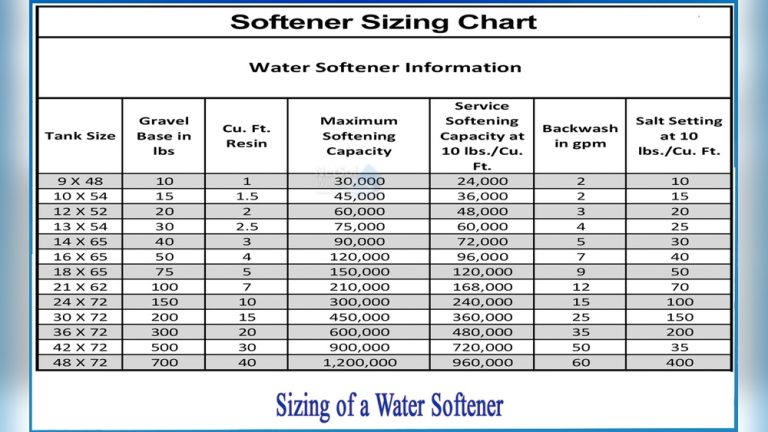
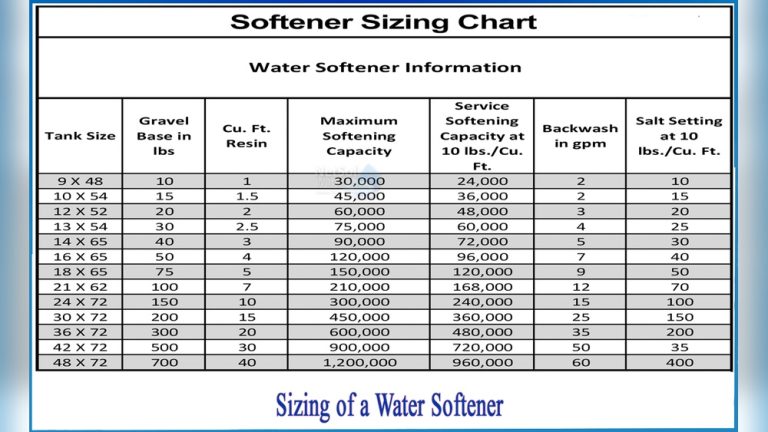
Multiply your daily water use by the hardness level in grains. This gives the total grains of hardness you need to remove daily. Choose a softener with a capacity that matches or exceeds this number. This ensures the softener works well without running out fast.
Credit: www.waterfilters.net
Fleck Water Softener Models
Fleck water softeners come in different models designed to suit various household needs. Choosing the right model depends on your water hardness and daily water use. These systems help remove minerals that cause hard water problems. Fleck offers reliable options that fit small to large families. Understanding the models helps you pick the best size for your home.
Popular Fleck Sizes
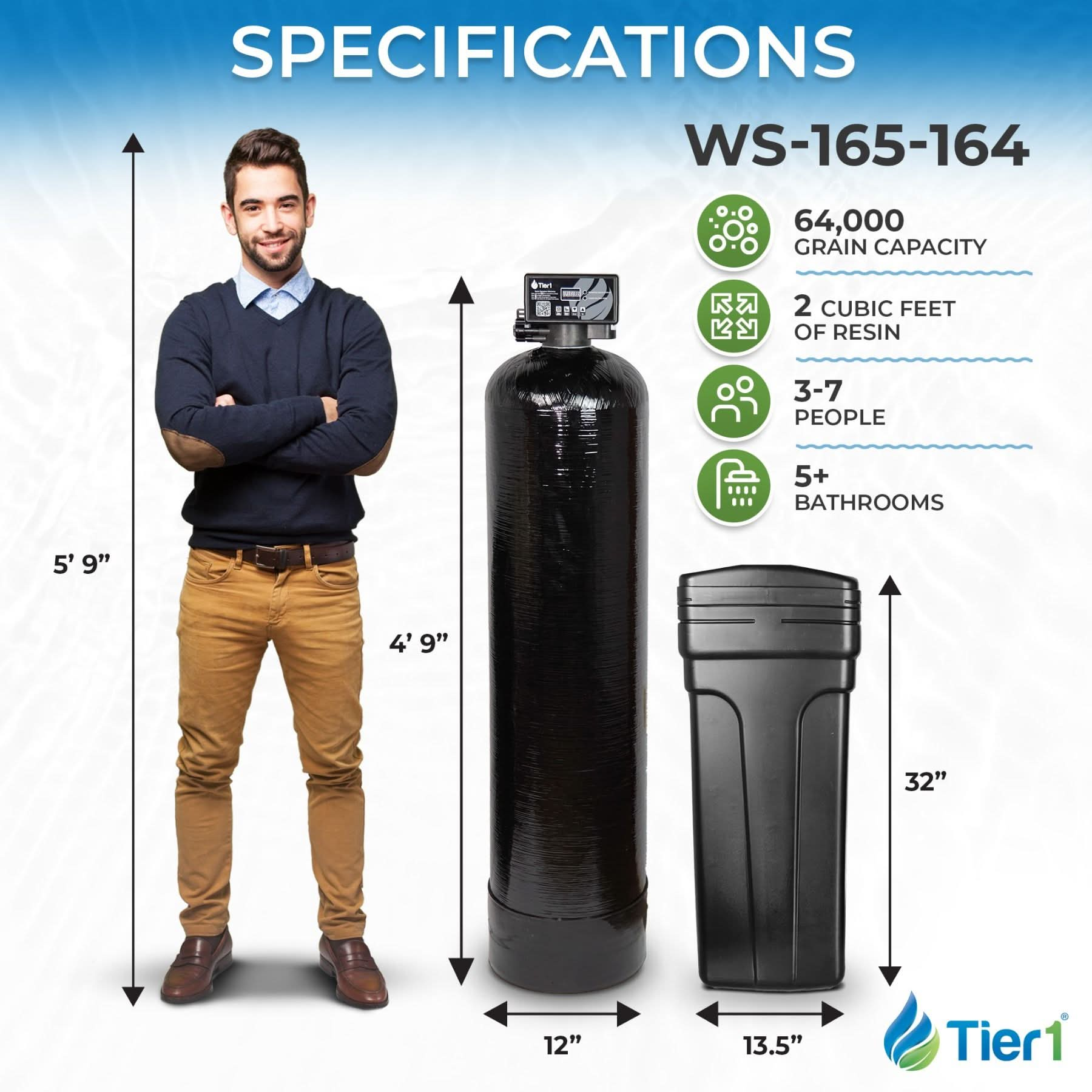
Fleck water softeners come in sizes based on grain capacity. Common sizes include 24,000, 48,000, and 64,000 grains. Small homes usually use 24,000-grain models. Medium families prefer 48,000-grain units. Large homes or heavy water use need 64,000-grain softeners. Picking the right size ensures soft water without wasting salt or water.
Features And Benefits
Fleck models offer strong build quality and easy controls. They have digital timers for precise regeneration cycles. These units save salt by regenerating only when needed. Fleck softeners use durable resin for long-lasting performance. Many models include bypass valves for easy maintenance. The systems reduce scale buildup and improve water quality. They help protect pipes and appliances from damage.
Matching Size To Household Needs
Choosing the right size Fleck water softener depends on household needs. Each home uses a different amount of water daily. Matching the softener size saves money and improves efficiency. Understanding your household size helps pick the best system.
Small Families And Apartments
Small families or apartments use less water. A softener with a 24,000-grain capacity usually works well. This size handles low to moderate hardness levels. It fits smaller spaces and costs less to operate. Perfect for one to three people.
Medium-sized Homes
Medium homes need more water softening power. A 32,000 to 48,000-grain capacity softener fits best. It meets the needs of four to six people. It handles average water hardness in most areas. This size offers a good balance of cost and performance.
Large Households
Large families use a lot of water every day. A softener with 64,000 grains or more is ideal. It supports seven or more people comfortably. This size ensures soft water for all water uses. It also reduces the need for frequent regeneration cycles.
Credit: physiciansdialysis.com
Installation And Maintenance Tips
Installing and maintaining a Fleck water softener correctly helps it work well for many years. Simple steps can keep the system running smoothly and protect your home’s water quality. Follow these tips for best results.
Proper Placement
Choose a dry, level area near your main water line. Avoid places with direct sunlight or freezing temperatures. Leave enough space around the unit for easy access during maintenance. Proper placement prevents damage and makes service easier.
Regular Salt Refills
Check the salt level in the brine tank every month. Use only high-quality salt made for water softeners. Keep the salt above the water level to avoid clogs. Regular refills ensure the system has enough salt to soften your water.
System Regeneration
Set the system to regenerate based on your water use. Most Fleck softeners have automatic timers or meters for this. Regeneration cleans the resin beads and restores softening power. Avoid skipping regeneration to keep water soft and clean.
Common Mistakes To Avoid
Choosing the right size Fleck water softener matters a lot. Picking the wrong size causes problems. Many people make avoidable mistakes. These mistakes waste money and reduce water softener performance. Knowing common errors helps you get the best system for your home.
Oversizing Or Undersizing
Buying a water softener that is too big wastes salt and water. It also costs more upfront. A large system can cycle too often, wearing parts faster.
Choosing a system too small means hard water may not be fully treated. Your softener may run out of capacity quickly. This leads to hard water spots and damage to pipes and appliances.
Select a size that matches your daily water use and hardness level. This balance saves money and ensures soft water all the time.
Ignoring Water Test Results
Water test results show how hard your water is and what minerals it contains. Ignoring these results leads to wrong size and poor performance.
Do not guess your water hardness. Hardness varies by location and source. Test your water before buying a softener.
Use the test results to pick a system with the right grain capacity. This keeps your water soft and protects your plumbing.
Budgeting And Cost Considerations
Choosing the right size Fleck water softener involves thinking about costs. Budgeting helps you balance price and performance. It ensures you pick a model that fits your needs and wallet. Knowing the costs upfront avoids surprises later.
Initial Investment
The initial cost includes the price of the water softener unit. Larger models cost more than smaller ones. Installation fees add to the total price. Some models need professional setup, which raises expenses. Check if the price includes parts and warranty. A good warranty can save money on repairs.
Operating Expenses
Operating costs cover salt, water, and electricity use. Bigger systems use more salt and water to regenerate. Electricity costs depend on how often the system runs. Regular maintenance keeps the system efficient. Skipping upkeep can increase operating expenses. Plan for salt refills and occasional service visits.
Where To Buy Fleck Softeners
Choosing the right place to buy a Fleck water softener matters. It affects price, service, and ease of purchase. Some buyers prefer shopping online for variety and convenience. Others like visiting local dealers for personal help and quick answers. Both options have benefits and suit different needs.
Online Retailers
Online stores offer many Fleck water softener models. You can compare sizes, prices, and reviews easily. Shopping online saves time and effort. Deliveries come right to your door. Some websites provide detailed product info and customer feedback. Look for trusted sites with good return policies.
Local Dealers
Local dealers give personal advice and support. They help you choose the right Fleck softener size. You can see the product before buying. Installation and maintenance services might be available. Local dealers often know the water conditions in your area. This can help you select the best system for your home.

Credit: store.afwfilters.com
Frequently Asked Questions
How Do I Calculate My Fleck Water Softener Size?
Calculate your daily water usage by multiplying household members by 75 gallons each. Check water hardness in grains per gallon. Multiply gallons by hardness to find daily grain removal needed. Choose a Fleck softener with a capacity slightly above this number for best results.
What Factors Affect Fleck Water Softener Size Choice?
Household size, daily water use, and water hardness are key factors. Higher hardness requires larger capacity units. Consider peak water demand and regeneration frequency. Proper sizing ensures efficient softening and longer equipment life.
Can A Fleck Softener Be Too Large For My Home?
Yes, oversizing wastes salt and water during regeneration. It increases upfront costs unnecessarily. Choose a unit that matches your daily grain removal needs for optimal efficiency and savings.
How Often Should A Fleck Water Softener Regenerate?
Regeneration frequency depends on water usage and system size. Typically, softeners regenerate every 2 to 3 days. Proper sizing helps maintain ideal regeneration cycles and prevents frequent or infrequent regeneration.
Conclusion
Choosing the right Fleck water softener size saves water and energy. Check your home’s water hardness and daily use first. A properly sized system works well and lasts longer. Avoid buying too big or too small units. It keeps your water soft and your pipes safe.
Take time to measure and calculate before buying. This helps you get the best value and performance. Clean, soft water makes life easier every day.