
Choosing the right water softener size for your family of three can feel confusing. You want clean, soft water without paying for a system that’s too big or too small.
Getting this right means better-tasting water, longer-lasting appliances, and less soap scum around your home. You’ll discover exactly what size water softener fits your daily needs and how to make the best choice for your family. Keep reading to find the simple solution that saves you time, money, and frustration.
Water Softener Basics
Understanding the basics of water softeners helps you choose the right size for a family of three. Water softeners remove minerals that make water hard. Hard water can cause many problems at home. Knowing how these devices work and their benefits makes the decision easier.
Water softeners come in different sizes and types. Each model fits a certain water usage and hardness level. The right size saves money and protects plumbing and appliances.
How Water Softeners Work
Water softeners remove calcium and magnesium from water. These minerals cause hardness and build up inside pipes and appliances. The softener uses resin beads to trap the minerals. Salt or potassium helps clean the resin beads regularly. This process is called regeneration. Soft water flows through your home after the minerals are removed.
Benefits For Households
Soft water protects pipes from clogging and corrosion. It helps soap and shampoo work better for cleaning. Clothes stay brighter and last longer. Appliances like dishwashers and water heaters use less energy. Skin feels smoother and hair looks shinier. Soft water reduces stains on sinks and bathtubs. These benefits improve daily life and save money.
Calculating Water Usage
Calculating water usage is key to choosing the right water softener size for a family of three. It helps avoid buying a system that is too small or too large. This section breaks down how to estimate your daily water use and how family size affects it. Understanding this will guide you to the best water softener capacity.
Average Daily Water Consumption
The average person uses about 80 to 100 gallons of water each day. This includes drinking, cooking, cleaning, and bathing. For a family of three, multiply this number by three. So, daily water use will be around 240 to 300 gallons.
Knowing this helps find a water softener that can handle the total daily water flow. Water softeners are rated by how many grains of hardness they remove each day. Matching your water use to the softener’s capacity ensures smooth operation.
Impact Of Family Size
More people mean more water used. A larger family needs a bigger water softener. For three people, a medium-sized unit usually works well. It balances cost and efficiency.
Keep in mind, water use varies by habits. Some families use less water, some more. Track your water meter for a few days to get a better idea. Adjust the softener size if needed.
Measuring Water Hardness
Measuring water hardness is the first step to choose the right water softener size. Hard water has minerals like calcium and magnesium. These minerals affect your home’s water quality. Knowing the hardness level helps decide how much softening your water needs. This ensures the softener works well and lasts longer.
Testing Methods
Water hardness can be tested in simple ways. Test strips are popular. Dip a strip in water, then compare its color to the chart. It shows the hardness level quickly. Another method is a water testing kit. These kits use chemicals to measure hardness. You can also send a water sample to a lab. Labs give very accurate results. Choose a method that fits your budget and needs.
Interpreting Hardness Levels
Water hardness is measured in grains per gallon (gpg) or parts per million (ppm). Soft water has less than 1 gpg. Moderate hardness ranges from 3.5 to 7 gpg. Hard water is above 7 gpg. Very hard water is more than 10 gpg. The harder the water, the larger the softener needed. For a family of three, knowing this helps pick the right capacity. Softening too little water wastes energy. Too much softener costs extra money.
Sizing Your Water Softener
Choosing the right size water softener is key for a family of three. It affects the water quality and how often you need to recharge the system. A properly sized softener saves water, salt, and money. It also keeps your appliances safe from hard water damage.
Understanding the size helps you pick a unit that fits your daily water use and hardness level. Too small, and it won’t soften water effectively. Too large, and you waste resources. Let’s break down how to size your water softener correctly.
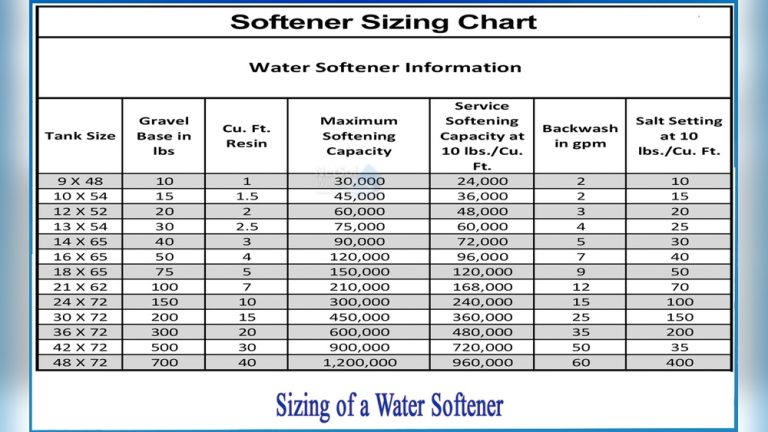
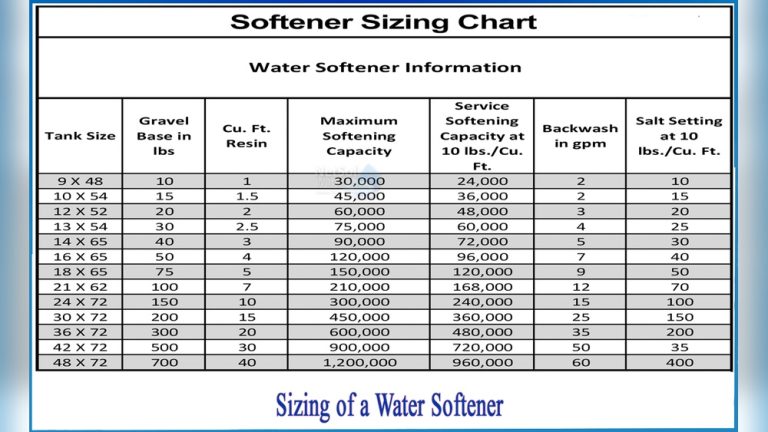
Grain Capacity Explained
Grain capacity measures how much hardness a water softener can remove before it needs recharging. Hardness comes from minerals like calcium and magnesium. The grain number shows the total grains the system can handle.
For example, a 30,000-grain softener can remove 30,000 grains of hardness before needing salt recharge. The higher the grain capacity, the longer the softener lasts between recharges.
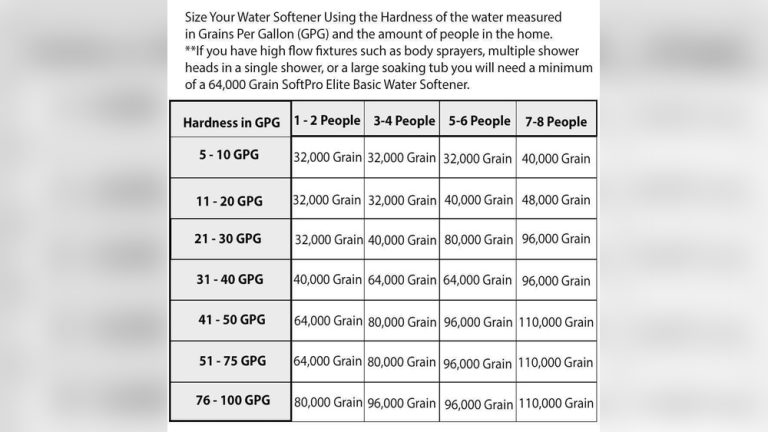
Matching Capacity To Family Needs
Calculate your family’s daily water use. The average person uses about 75 gallons per day. Multiply by three for a family of three, making 225 gallons daily.
Check your water hardness level in grains per gallon (GPG). Multiply the daily gallons by hardness to find daily grain removal needs. Multiply by how many days between recharges, usually 7 to 10 days.
This helps you find the right grain capacity. For example, with 10 GPG hardness, 225 gallons daily, and 7 days recharge, you need about 15,750 grains capacity. Choosing a softener around 20,000 to 30,000 grains is ideal.
Types Of Water Softeners
Choosing the right water softener depends on understanding the types available. Each type works differently to reduce hard minerals in your water. Knowing these options helps you pick the best fit for a family of three.
Salt-based Systems
Salt-based systems use sodium to remove hard minerals like calcium and magnesium. Water passes through a resin tank where minerals swap places with sodium. These systems are effective and common in many homes. They need regular salt refills to keep working well. Salt-based softeners also help prevent scale buildup in pipes and appliances.
Salt-free Alternatives
Salt-free softeners do not remove minerals but change their form. They use a process called template-assisted crystallization. This stops minerals from sticking to surfaces and causing scale. Salt-free options need less maintenance and no salt refills. They work well for moderate hard water but may not soften water completely.
Magnetic And Electronic Options
Magnetic and electronic softeners use magnetic fields or electric pulses. These fields alter mineral properties to reduce scale buildup. These systems are easy to install and use no chemicals or salt. Their effectiveness varies and depends on water hardness and flow rate. They are low maintenance but may not suit very hard water.

Credit: www.softprowatersystems.com
Installation And Maintenance
Installing a water softener for a family of three needs careful planning. Proper setup ensures the system works well and lasts long. Regular maintenance keeps the water softener efficient and prevents problems.
Placement Tips
Choose a dry, cool place near the main water line. Avoid spots with direct sunlight or extreme temperatures. Keep the unit away from electrical outlets and heating sources. Make sure there is enough space for easy access. Place it close to a drain for flushing and cleaning.
Regular Upkeep
Check salt levels in the brine tank every month. Refill salt before it runs out to keep softening water. Clean the tank annually to avoid salt buildup. Inspect the system for leaks or wear. Follow the manufacturer’s instructions for routine care.
Troubleshooting Common Issues
Watch for signs like hard water spots or low water pressure. Clean the resin beads if water softness decreases. Reset the system if it stops working properly. Replace worn parts, such as valves or seals. Contact a professional if problems persist beyond basic fixes.
Cost Factors
Choosing the right water softener size for a family of three involves understanding several cost factors. These costs affect your budget now and later. Knowing these helps you pick the best option without surprises.
Initial Investment
The first cost is the price of the water softener unit. Smaller units cost less but may need more frequent maintenance. Larger units cost more but handle water use better. Installation fees can add to this cost. Professional help ensures proper setup and saves trouble.
Operating Expenses
Running a water softener uses salt and water regularly. Salt costs vary by brand and quantity. Bigger units use more salt but less often. Water waste during regeneration also affects bills. Electricity costs are usually low but worth noting.
Long-term Savings
Soft water protects pipes and appliances, lowering repair costs. Clothes and dishes last longer and look better. Energy bills may drop as water heaters work efficiently. Spending more now might save money over years. Think of it as a smart home investment.
Choosing The Right Brand
Choosing the right brand for a water softener matters a lot. It affects how well the system works and lasts. A good brand offers reliable products and good customer support. This choice helps a family of three get soft water without worries.
Top Brands For Families
Some brands fit families better than others. They make units sized for small to medium homes. Brands like Fleck, Whirlpool, and Aquasana are popular. These brands offer models that save salt and water. They also have easy-to-use controls, perfect for busy families.
Customer Reviews And Ratings
Reviews show real user experiences with water softeners. High ratings usually mean good performance and fewer problems. Look for reviews from families with similar needs. Pay attention to comments about installation and maintenance. This helps find a brand that suits daily family life.
Additional Features To Consider
Choosing the right water softener size for a family of three is important. But also consider extra features that improve use and save money. These features help the softener work better and last longer. They make daily use easier and more efficient.
Digital Controls
Digital controls make water softeners easy to use. They show important info clearly. You can set the system to fit your family’s needs. Some models adjust settings automatically. This saves salt and water without extra effort.
Water Efficiency
Water efficiency matters for saving money and the environment. Look for softeners that use less water during regeneration. Efficient models reduce waste and lower utility bills. Choose one that balances softening power and water use well.
Warranty And Support
A good warranty protects your investment. Check how long the warranty lasts and what it covers. Reliable customer support helps fix problems fast. Pick brands known for strong service and easy parts replacement.
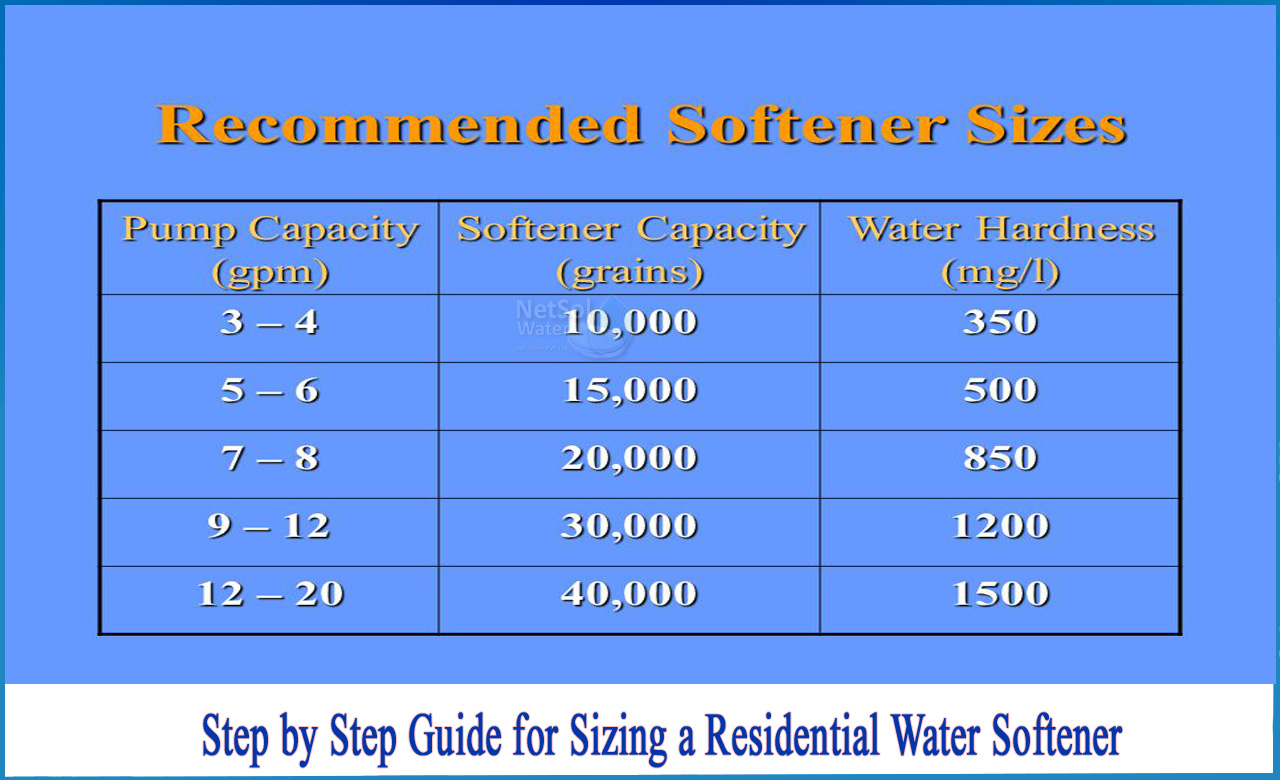
Credit: www.netsolwater.com
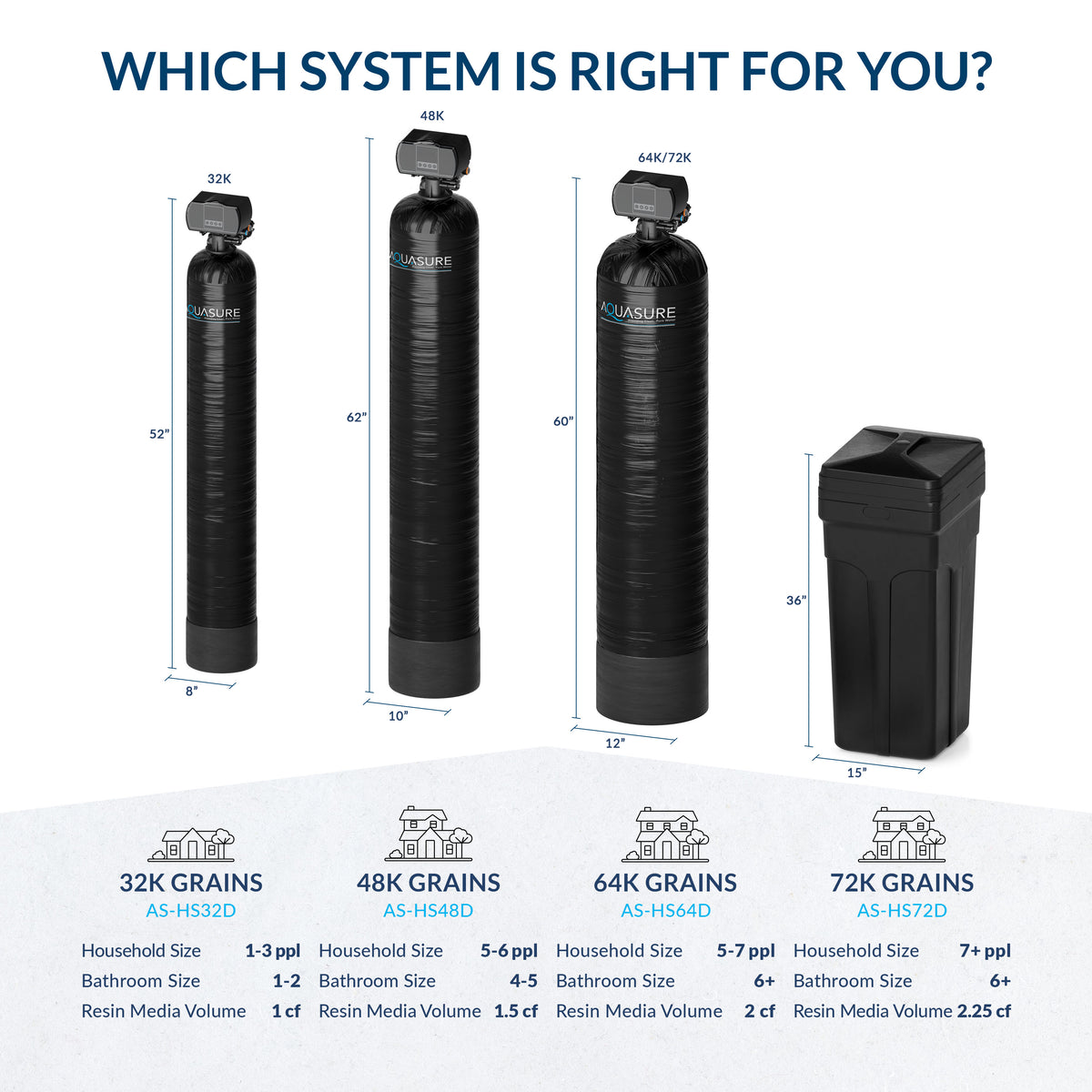
Credit: aquasureusa.com
Conclusion
Choosing the right water softener size helps your family enjoy soft water daily. A system too small needs frequent refills and won’t work well. One too big wastes salt and costs more. For three people, a 24,000 to 32,000-grain softener usually fits best.
Check your water hardness and daily water use to decide. Soft water protects pipes and makes cleaning easier. Take time to pick a softener that matches your home’s needs. Good soft water improves life quietly and simply.