
Choosing the right water softener pipe size might seem like a small detail, but it can make a big difference in how well your system works. If your pipes are too small, water flow slows down, and your softener struggles to keep up.
Too large, and you could be wasting money and space. You want your water softener to run smoothly and last longer, right? This guide will help you understand exactly what pipe size fits your needs and why it matters. Keep reading, and you’ll avoid costly mistakes while making your home’s water system work perfectly for you.
Choosing The Right Pipe Size
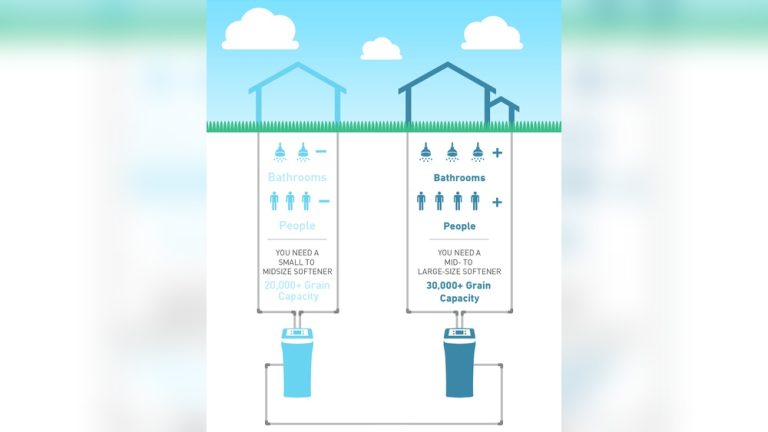
Choosing the right pipe size for a water softener depends on several important factors. The water flow rate in your home affects the size needed. Larger homes with more bathrooms usually need bigger pipes. The water pressure also plays a role. Pipes that are too small can cause low pressure and poor softener performance. Pipes that are too large may be more expensive and harder to install.
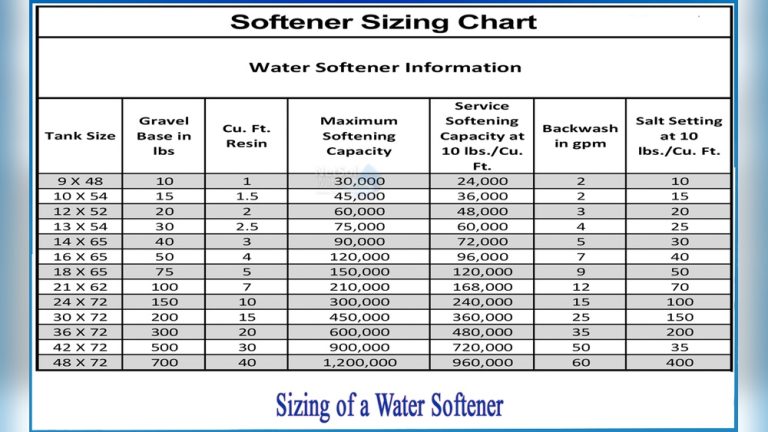
Common pipe sizes for water softeners include 3/4 inch, 1 inch, and sometimes 1 1/4 inch. Most homes use 3/4 inch pipes because they fit well with typical water flow. Bigger homes or higher flow needs may require 1 inch pipes. Always check your water system and softener specs before choosing pipe size.
Credit: structuretech.com
Impact Of Pipe Size On Performance
Pipe size affects the flow rate of water through a softener. Larger pipes allow more water to pass easily. Smaller pipes can limit water flow and cause pressure drops. This means water moves slower and less efficiently.
Pressure drop happens when water meets resistance inside pipes. Smaller pipes create more resistance. This reduces the water pressure reaching the softener. Low pressure can make the softener work harder and less well.
| Pipe Size (inches) | Flow Rate (gallons per minute) | Pressure Drop Effect |
|---|---|---|
| 1/2″ | 5-7 | High pressure drop, low efficiency |
| 3/4″ | 8-12 | Moderate pressure drop, better flow |
| 1″ | 15-20 | Low pressure drop, high efficiency |
Materials For Water Softener Pipes
Copper pipes are very durable and last a long time. They work well with most water softeners but can be more expensive. Copper is resistant to heat and does not rust. This makes it a good choice for hot water lines.
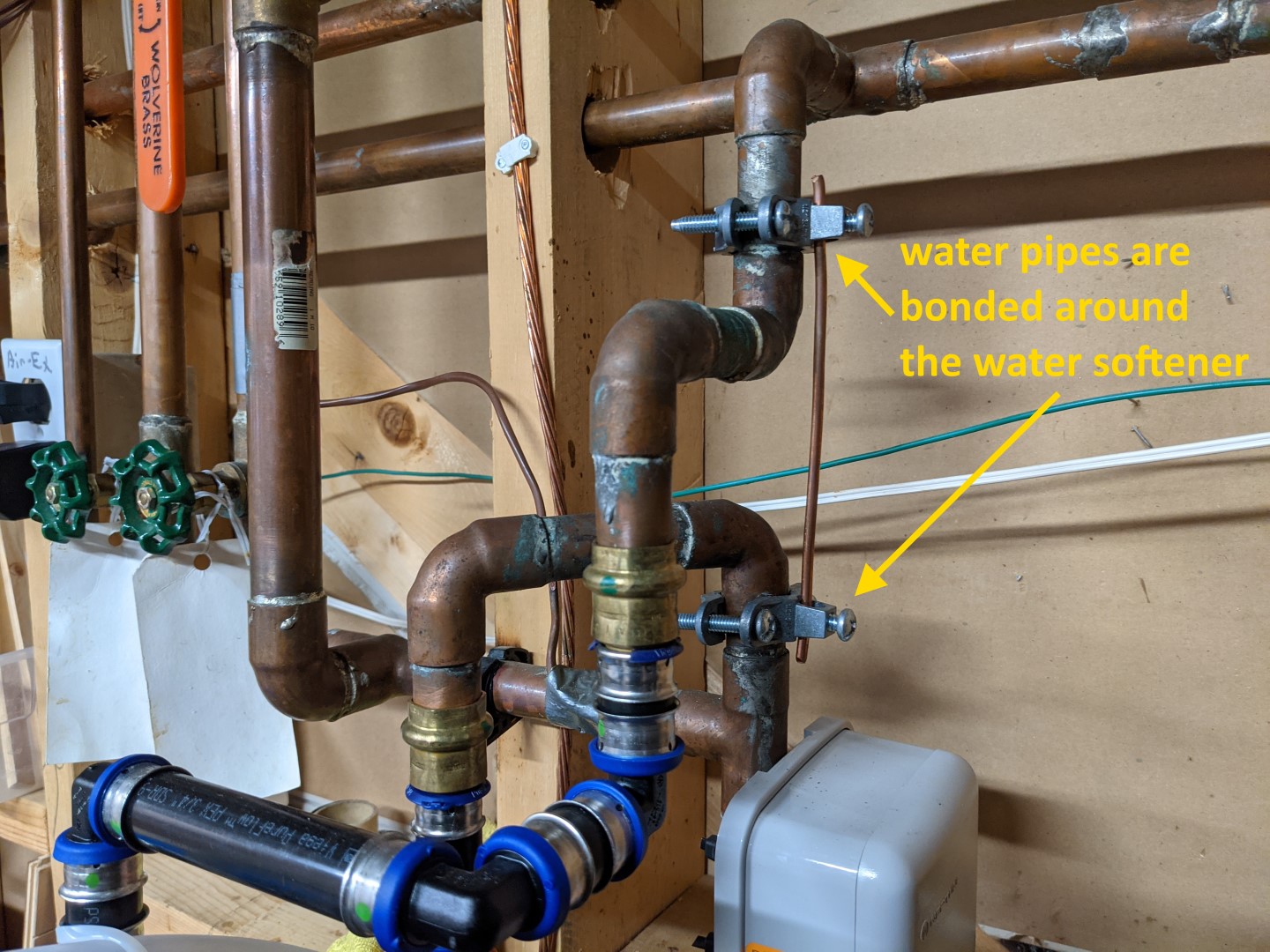
PEX pipes are flexible and easy to install. They cost less than copper and do not corrode. PEX works well with water softeners but may not handle very high temperatures. It is also resistant to chemicals found in water.
PVC pipes are the cheapest option but not as strong. They are good for cold water only. PVC can crack if exposed to sunlight or very cold weather. Compatibility with water softeners depends on the system type.

Credit: www.cleanwaterstore.com
Installation Tips For Optimal Pipe Sizing
Start by measuring the pipe diameter carefully. Use a tape measure to check the existing pipe size. Accurate measurement helps choose the right water softener pipe size. Plan the pipe route to avoid sharp bends or long runs. This keeps water flowing smoothly and reduces pressure drops.
Common mistakes include picking pipes that are too small or too large. Small pipes limit water flow and strain the system. Large pipes waste money and space. Avoid using flexible pipes in high-pressure areas. They can kink and block water flow.
Label each pipe section during planning. This helps during installation and future maintenance. Check local plumbing codes for pipe size rules. Follow these rules to ensure safety and performance.
Troubleshooting Pipe Size Issues
Signs of Incorrect Pipe Size include low water pressure and strange noises in pipes. Pipes may hiss or whistle when too small. Water flow might be slow or uneven. Large pipes can cause water to sit and rust. Leaks and frequent repairs may also signal wrong pipe size. Watch for high water bills due to waste.
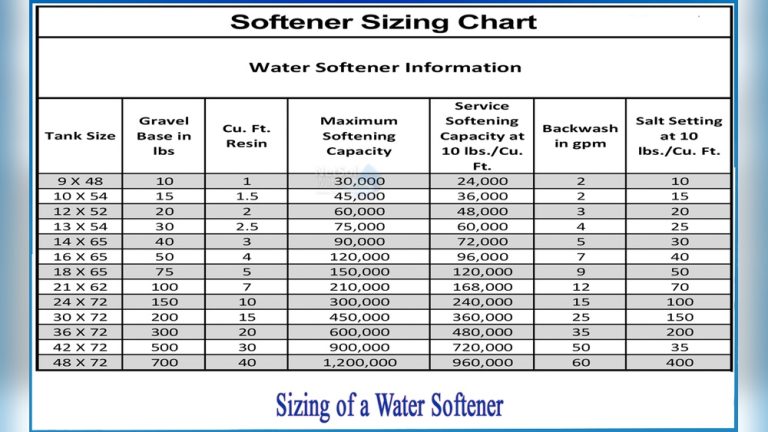
Solutions and Adjustments start with measuring pipe diameter correctly. Use a pipe size chart to match your water softener’s needs. Replace small pipes with larger ones to improve flow. Add pipe supports to stop vibrations and noise. Clean or replace clogged pipes to restore pressure. Always check for leaks after changes. Professional help ensures safe and right pipe size.
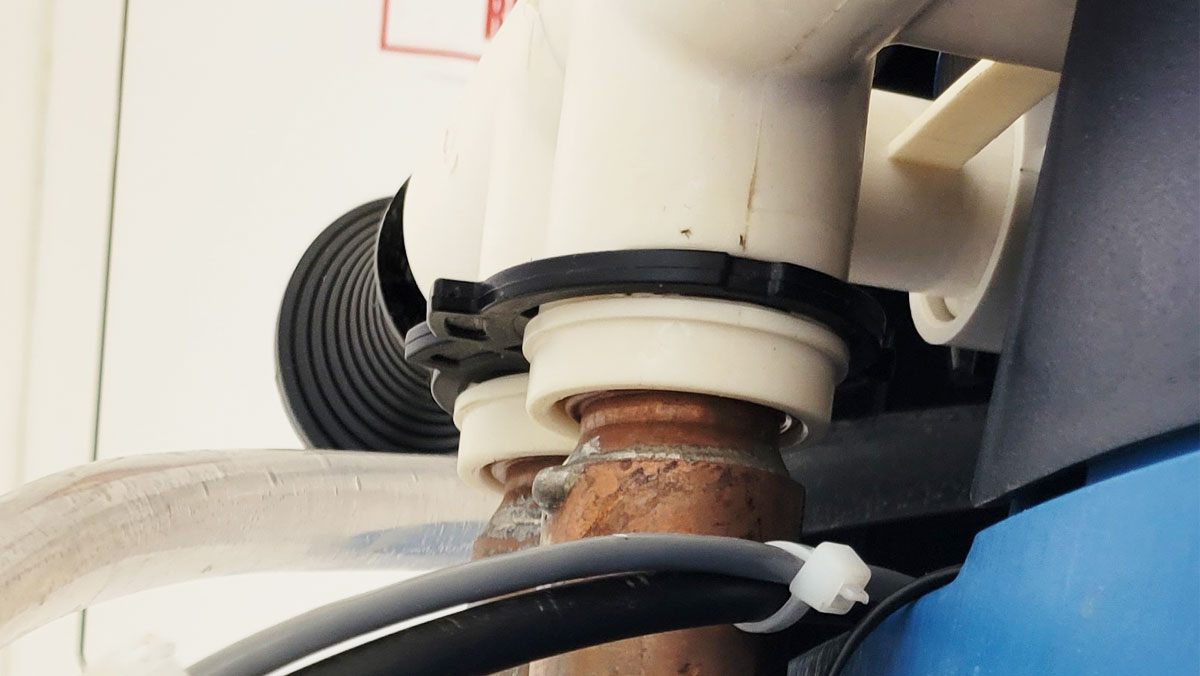
Credit: www.wpsexpert.com
Code And Regulation Requirements
Local plumbing codes set rules for pipe size in water softener systems. These rules help keep water flow steady and prevent leaks. Codes often require pipes to be a certain diameter based on the home’s size and water use.
Permits must be obtained before installing a water softener. This ensures the work meets safety and quality standards. After installation, inspections check that pipes and connections follow the codes. Inspections help avoid future problems and keep water clean.
Following these rules keeps your system safe and working well. It also helps avoid fines or having to redo work. Always check with your local authority for specific pipe size rules and permit needs.
Frequently Asked Questions
What Is The Ideal Pipe Size For A Water Softener?
The ideal pipe size for most water softeners is 3/4 inch. This size balances water flow and system efficiency well. Larger homes may require 1-inch pipes for higher water demand. Correct sizing ensures optimal softener performance and prevents pressure drops.
How Does Pipe Size Affect Water Softener Performance?
Pipe size impacts water flow rate and pressure. Smaller pipes can restrict flow, reducing softener efficiency. Larger pipes allow smooth water movement but may increase costs. Choosing the right pipe size ensures consistent softening and avoids plumbing issues.
Can I Use 1/2 Inch Pipe For Water Softeners?
Using 1/2 inch pipe is generally not recommended for water softeners. It often restricts water flow and causes pressure loss. For most residential systems, 3/4 inch is the minimum size to maintain optimal performance and water pressure.
Why Is Pipe Size Important In Water Softener Installation?
Pipe size determines water flow rate and system efficiency. Proper sizing prevents pressure drops and ensures effective softening. Incorrect pipe size can lead to system strain and poor water quality. Always match pipe size to your water softener’s specifications.
Conclusion
Choosing the right water softener pipe size matters a lot. It helps water flow smoothly and prevents damage. Too small pipes cause low pressure and clogs. Too big pipes waste money and space. Think about your home’s water needs before buying.
Proper pipe size keeps your system working well for years. Simple steps lead to better water and less repair. Take time to measure and plan carefully. Your water softener will work best this way.