
Choosing the right water softener drain line size can make a big difference in how well your system works. If your drain line is too small, you might face backups or leaks.
Too large, and you could waste water or damage your setup. You want your water softener to run smoothly without any hassle. You’ll discover exactly what size drain line fits your system, why it matters, and how to avoid common mistakes that could cost you time and money.
Keep reading to make sure your water softener is set up perfectly for your home.

Credit: www.youtube.com
Why Drain Line Size Matters
The correct drain line size is crucial for a water softener’s proper function. A line too small can cause slow drainage, leading to water backup inside the system. This may damage the softener or cause it to stop working.
A larger drain line for water softener allows fast water flow, preventing blockages and leaks. Proper sizing helps avoid backflow, which can mix dirty water back into clean water supplies. This keeps your water safe and clean.
Using the right size also means the system wastes less water during regeneration cycles. This saves money and helps the environment. Most manufacturers recommend a drain line of at least 3/4 inch diameter for good performance.
Credit: rheemwatertreatment.zendesk.com
Common Drain Line Sizes
The standard drain line size for most home water softeners is 3/4 inch. This size works well for typical household systems. It helps waste water flow out smoothly without clogging. Pipes smaller than this may cause backups or leaks. Pipes larger than 3/4 inch are not common for homes.
For commercial and industrial water softeners, larger drain lines are needed. These systems use 1 inch to 1.5 inch pipes. Bigger pipes handle more water and salt discharge. This keeps the system running without overflow or pressure issues. Choosing the right size helps avoid costly repairs and saves water.
Choosing The Right Size
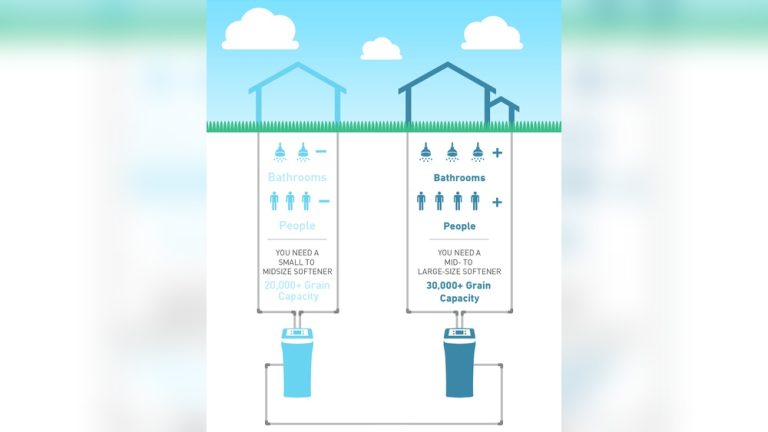
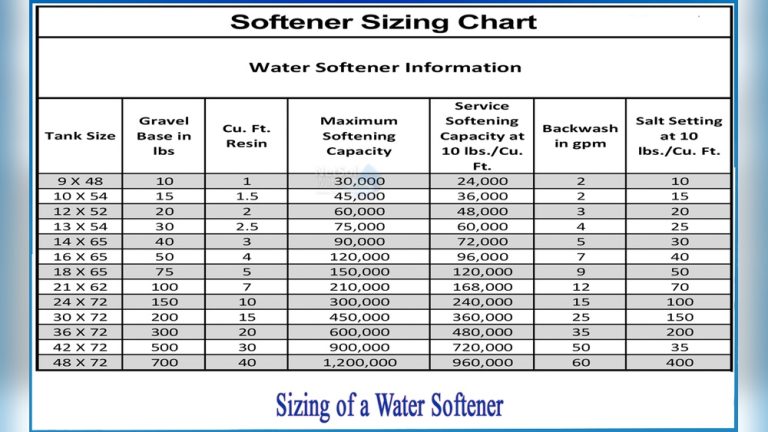
Choosing the right water softener drain line size depends on a few key points. First, match the drain line size with the softener’s capacity. Bigger softeners need larger drain lines to carry waste water safely.
Water pressure also matters. Low pressure may require a smaller line to keep flow steady. High pressure can support bigger lines without leaks or spills.
Check your local plumbing codes. Some areas have rules about minimum drain line sizes. Following these rules helps avoid fines and ensures safe install water softener drain line.
Installation water softener drain line Best Practices
Ensure the drain line slopes downward at about 1/4 inch per foot. This helps water flow out easily and stops clogs. Position the line so it stays straight and does not bend sharply. Sharp bends can cause blockages and reduce flow.
Check the line for any kinks or twists. Kinks slow down water and may cause leaks. Keep the drain line clear and free from objects that can block it.
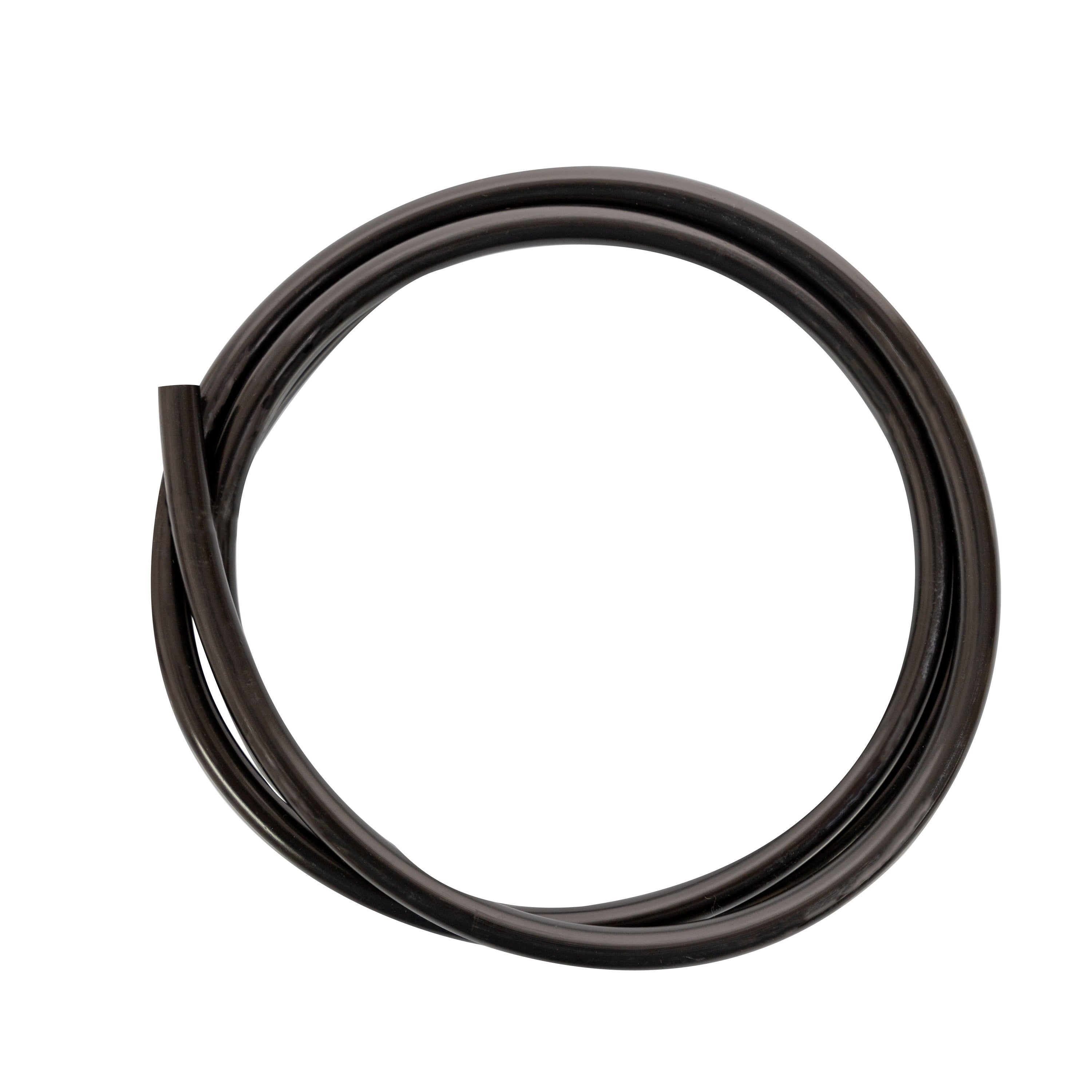
Use materials that fit well with your water softener. Common water softener drain line options options include flexible tubing or PVC pipes. Choose parts that resist corrosion and last long. Make sure all water softener drain connections are tight to avoid leaks.
Troubleshooting Drain Line Issues
Signs of incorrect drain line size include slow water drainage and frequent backups. Water may pool near the softener. Strange noises or odors can also occur. These signs indicate the drain line might be too small or clogged.
Common blockages happen from salt buildup, dirt, or debris inside the line. Small pipes clog faster. Blockages stop water flow and cause pressure issues. Regular checks help spot these problems early.
- Use the right size pipe, usually 3/4 inch or larger
- Flush the drain line every few months
- Clear salt bridges in the softener tank
- Check for kinks or bends in the tubing
- Keep the area around the drain clean and dry
Upgrading Or Replacing Drain Lines
Drain lines should be upgraded if the water softener drains slowly or leaks. Using a larger drain line helps avoid blockages and backups. Most water softeners work well with a 3/4-inch drain line, but some models need 1-inch lines for better flow.
Replacing the drain line for water softener is simple. First, turn off the water and power to the softener. Next, disconnect the old drain line from the unit. Attach the new line tightly to avoid leaks. Finally, secure the line to a drain or standpipe. Test by running the softener and checking for leaks.
Environmental And Safety Considerations
Brine water from water softeners contains salt and chemicals. It must be disposed of properly to protect the environment. Pouring it into the ground can harm plants and animals. It can also contaminate water sources. Use a drain line that leads to a sewer system or a designated disposal area.
Preventing contamination is very important. The drain line should be sealed tightly to avoid leaks. Leaking brine water can damage soil and groundwater. Regular checks of the drain line can help find leaks early.
| Consideration | Best Practice |
|---|---|
| Brine Disposal | Use sewer system or approved disposal site |
| Drain Line | Sealed tightly, checked regularly for leaks |
| Environmental Impact | Avoid soil and water contamination |
Credit: aquasureusa.com
Frequently Asked Questions
What Is The Ideal Drain Line Size For Water Softeners?
The ideal drain line size for most water softeners is 3/4 inch. This size allows efficient waste water flow without clogging or backflow issues. Always check the manufacturer’s guidelines to ensure compatibility with your specific softener model.
Can A Smaller Drain Line Cause Water Softener Problems?
Yes, a smaller drain line can restrict water flow. This may cause slow drainage and potential overflow during regeneration cycles. Using the recommended drain line size prevents operational issues and extends the water softener’s lifespan.
How Long Should A Water Softener Drain Line Be?
Water softener drain lines should be as short as possible, ideally under 25 feet. Longer lines can reduce water pressure and affect regeneration efficiency. Proper installing water softener drain line ensures optimal system performance and prevents drainage problems.
Is Pvc Or Flexible Tubing Better For Drain Lines?
Both PVC and flexible tubing are common for drain lines. PVC offers durability and rigidity, while flexible tubing provides easier installation. Choose based on your setup, but ensure the material meets local plumbing codes and fits the recommended drain line size.
Conclusion
Choosing the right water softener drain line size matters a lot. It helps your system work well and last longer. Too small a drain line can cause clogging or leaks. Too large may waste space and money. Check your softener’s guide for the best size.
Proper installation keeps water flowing smoothly. This simple step avoids future problems. Keep your home’s water softener running strong and safe with the right drain line size. Easy care brings long-term comfort.