
Choosing the right water softener brine tank size can make a big difference in how well your water softener works—and how much effort you put into maintaining it. If your brine tank is too small, you might find yourself refilling salt more often than you want.
Too large, and you could be wasting space and money. But how do you know what size fits your needs? You’ll discover exactly how to pick the perfect brine tank size for your home, saving you time, money, and hassle.
Keep reading to make sure your water softener runs smoothly and efficiently every day.
Credit: www.commers.com
Why Brine Tank Size Matters
Brine tank size affects how well water softeners work. A tank too small may not hold enough salt. This can lower the system’s ability to remove hard minerals. On the other hand, a very large tank uses more space and salt than needed.
Salt use links closely to tank size. Smaller tanks need salt more often, raising salt costs. Bigger tanks hold more salt, so refills happen less. This saves money but requires more room.
Space is key when choosing tank size. Small homes fit smaller tanks easily. Larger tanks need extra space in basements or laundry rooms. Picking the right size balances efficiency, cost, and space.
Common Brine Tank Sizes
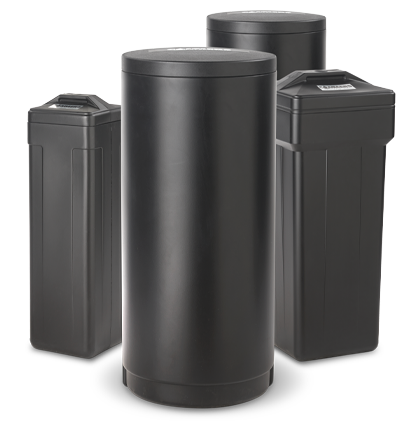
Small brine tanks hold about 100 pounds of salt. They fit compact water softeners used in apartments or tiny homes. These tanks need less space and salt refills.
Medium tanks store around 200 to 300 pounds of salt. They work well for average households with regular water use. These tanks balance size and salt capacity.
Large tanks hold more than 400 pounds of salt. Ideal for big homes or places with high water demand. They need less frequent refilling but take more space.
Factors Influencing Size Choice
Household water consumption affects the size of the brine tank needed. Bigger families use more water, so a larger tank is best. Smaller homes with less water use need smaller tanks to save space.
Water hardness levels also play a key role. Harder water needs more salt for softening. This means the brine tank must hold more salt to treat the water properly.
Regeneration frequency depends on how often the softener cleans itself. More frequent regeneration means the tank must store enough salt to last between cycles. Less frequent regeneration needs a bigger tank to hold more salt for longer periods.
Measuring Your Water Softener Needs
Calculating daily water use helps pick the right brine tank size. Check how many people use water in your home. Multiply by average gallons used each day, usually 50-70 gallons per person. This gives a good estimate of water softener needs.
Testing water hardness shows how much salt is needed. Use a test kit to find out grains per gallon (GPG). Higher GPG means harder water and more salt to soften it.
| Water Hardness (GPG) | Salt Needed (lbs per 1000 gallons) |
|---|---|
| 0-3 | 0-2 |
| 4-7 | 3-5 |
| 8-12 | 6-9 |
| 13+ | 10+ |
Estimate salt use by multiplying daily water use by salt needed per 1000 gallons. Choose a tank that holds enough salt for about a week. This keeps your water softener working well and saves time refilling.
Matching Brine Tank To Softener Capacity
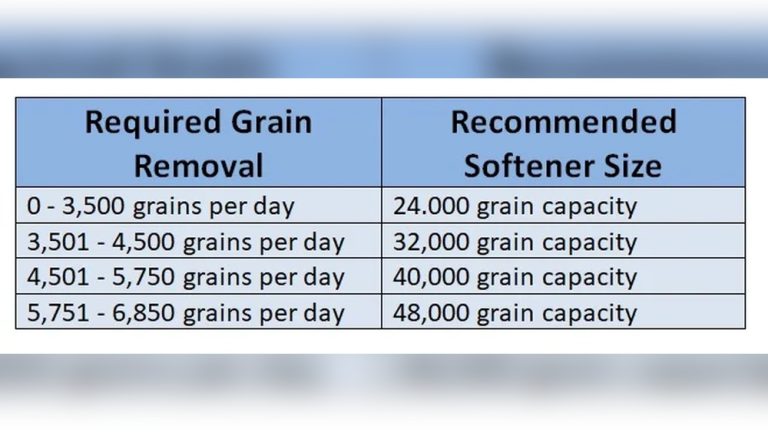
The brine tank must match the softener resin tank size for best results. Resin tanks come in different sizes, so choosing the right brine tank helps the system work well. Too small a brine tank means you must add salt often. Too large a tank wastes space and salt.
Salt storage should balance with the water softener’s needs. A proper brine tank holds enough salt for several regenerations. This saves time and keeps the softener running smoothly. Check the softener’s capacity in grains, then pick a brine tank that fits.
| Softener Capacity (Grains) | Recommended Brine Tank Size (Gallons) |
|---|---|
| 24,000 | 15-20 |
| 32,000 | 20-25 |
| 48,000 | 25-35 |
Choosing the right size avoids poor performance and wasted salt. A good match keeps your water softener working well and saves effort.
Credit: www.reverseosmosis.com
Installation Tips For Optimal Fit
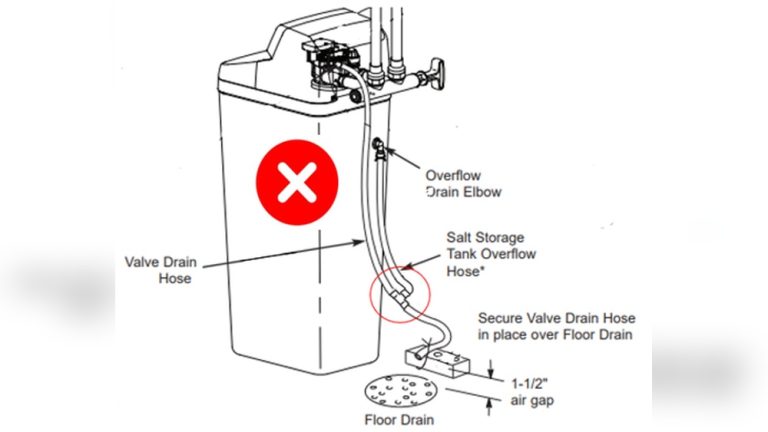
Choose a flat, stable surface for the brine tank. Make sure it is near the water softener unit. Place the tank where it is easy to reach for refilling salt and checking the system.
Connect the brine tank to the softener using secure fittings. Use the right size hoses and clamps to avoid leaks. Check connections often to keep water flowing smoothly.
Leave enough space around the tank for cleaning and maintenance. This helps prevent damage and keeps the system working well. A little extra room saves time and effort later.
Troubleshooting Size-related Issues
Salt bridging happens when salt hardens inside the tank. This stops salt from dissolving in water. It causes poor water softening. A strong bridge looks like a crust above the water level. Breaking the bridge carefully fixes the problem.
Mushing occurs when salt turns into a thick sludge. This sludge blocks salt from mixing with water. It can clog the system and stop it from working well. Cleaning the tank often helps prevent mushing.
Frequent regenerations use more salt and water. This happens if the tank size is too small for your water needs. Bigger tanks reduce how often the system runs. Check your water hardness and size the tank right.
Salt depletion means the salt runs out too fast. This can happen if the brine tank is too small. Refill the salt regularly. Use the correct salt type to avoid fast depletion.
Upgrading Or Replacing Brine Tanks
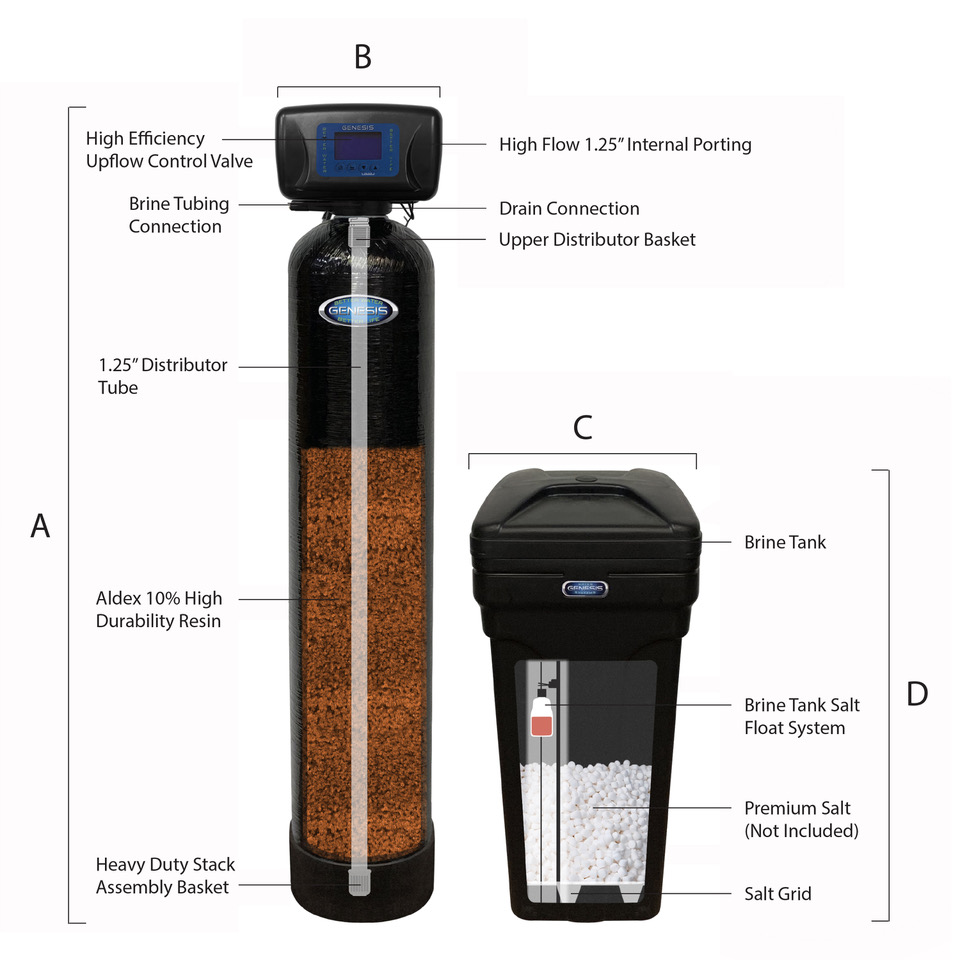
Brine tank upgrades become necessary when salt use rises or tanks crack. A bigger tank can hold more salt and water, helping the softener run longer without refilling. Choosing the right size means checking the home’s water use and softener type.
Replacement tanks come in different sizes. Common sizes range from 150 to 300 pounds of salt capacity. Pick one that fits space and water needs. Too small means frequent refills; too large wastes space.
| Tank Size | Salt Capacity (lbs) | Best For |
|---|---|---|
| Small | 150 | Small families, low water use |
| Medium | 200 | Average homes, moderate water use |
| Large | 300 | Big families, high water use |
Install in a dry, level area near the water softener. Make sure there is space for salt refills and cleaning. Check connections and seals to avoid leaks. Follow the softener manual for best results.
Credit: www.discountwatersofteners.com
Frequently Asked Questions
What Are Common Water Softener Brine Tank Sizes?
Water softener brine tanks commonly range from 18 to 50 gallons. The size depends on household water usage and softener capacity. Larger tanks require less frequent salt refilling. Choosing the right size ensures efficient salt use and optimal softening performance.
How To Choose The Right Brine Tank Size?
Select a brine tank size based on your water hardness and daily water consumption. A larger family or harder water may need a bigger tank. Proper sizing prevents salt shortages and extends the softener’s lifespan.
Can A Brine Tank Be Too Large For My System?
Yes, an oversized brine tank can lead to salt bridging and inefficiency. It may cause uneven salt dissolution and waste space. Always match the tank size to your water softener’s capacity for best results.
How Often Should I Refill The Brine Tank Salt?
Typically, refill the brine tank salt every 4 to 6 weeks. Frequency depends on water usage and tank size. Maintaining adequate salt levels ensures consistent water softening without interruptions.
Conclusion
Choosing the right brine tank size helps your water softener work well. Small tanks need more frequent refills, which can be a hassle. Larger tanks hold more salt and require less attention. Think about your water use and space before buying.
Proper size saves money and keeps water soft. A good fit means cleaner water and fewer problems. Take time to measure and decide. Your water softener will thank you.