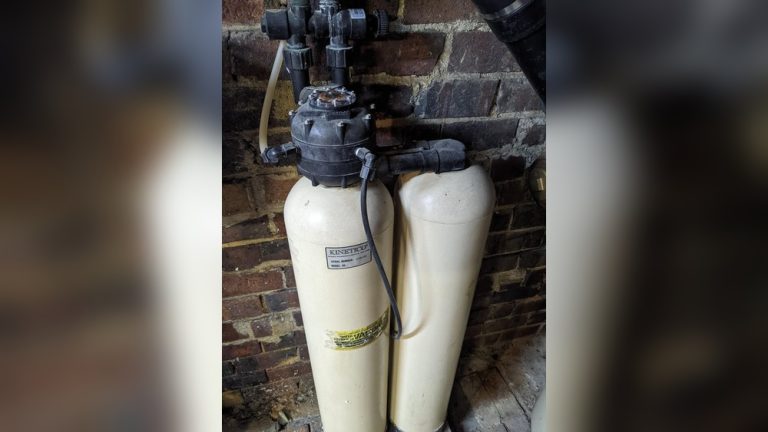

Is your water softener tank not filling properly? If so, you’re likely facing frustrating water issues at home.
When the tank doesn’t fill, your water softener can’t do its job, leaving you with hard water problems like spots on dishes, dry skin, and clogged pipes. But don’t worry—understanding why this happens is the first step to fixing it quickly.
Keep reading to learn the simple causes and easy solutions that will get your water softener back to work, so you can enjoy soft, clean water again.

Credit: www.reddit.com
Common Causes Of Tank Not Filling
Water softener tanks may stop filling for several reasons. Knowing the common causes helps fix the problem faster. These issues often involve parts inside the tank or water flow problems. Understanding each cause can guide proper troubleshooting and repair.
Clogged Or Blocked Valves
Valves control water flow into the tank. Dirt or debris can block them. Blocked valves stop water from entering. Cleaning or replacing valves often restores flow. Regular maintenance prevents clogging issues.
Faulty Water Pressure
Water pressure must be strong enough to fill the tank. Low pressure reduces water flow. This problem can come from the main supply line. Checking pressure helps identify the issue. Adjusting or fixing the source restores normal filling.
Malfunctioning Float Assembly
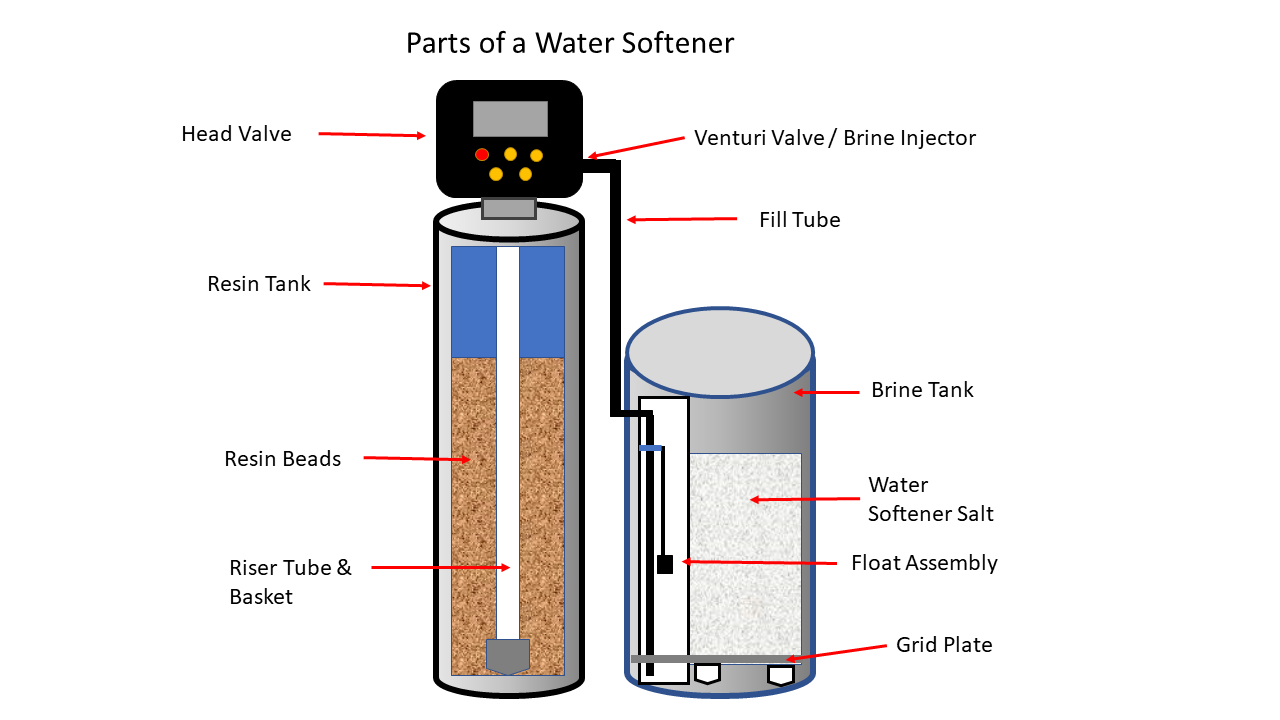
The float assembly controls water levels inside the tank. If it breaks or sticks, filling stops. A stuck float sends wrong signals. Repairing or replacing the float solves the issue. It ensures the tank fills properly and stops at the right level.
Issues With Control Valve
The control valve manages the softening cycle and water flow. Faulty valves cause filling problems. Electrical or mechanical failures may occur. Testing the valve confirms its condition. Repair or replacement may be necessary for smooth operation.
Step-by-step Troubleshooting
Troubleshooting a water softener tank that won’t fill can seem tough. This guide breaks down the process into simple steps. Follow each carefully to find the problem.
Checking The Water Supply
Start by verifying the main water supply. Make sure the valve feeding the softener is fully open. Look for any leaks or blockages in the supply line. A closed or blocked valve stops water from entering the tank.
Inspecting The Float Mechanism
The float controls water level inside the tank. Check if it moves freely and is not stuck. A stuck float can stop water from filling the tank. Clean any dirt or debris around the float area.
Examining Valve And Pipes
Inspect all valves and pipes connected to the softener. Look for cracks, leaks, or clogs. Damaged parts can prevent water flow. Tighten any loose fittings and replace broken parts.
Testing Water Pressure Levels
Measure the water pressure at the softener inlet. Low pressure can stop the tank from filling. Use a pressure gauge for accuracy. Normal pressure usually ranges between 40 and 60 psi.
Simple Repairs You Can Do
Water softener tanks sometimes stop filling. This problem can often be fixed with simple repairs. You do not need to call a professional right away. Basic tools and a little time can solve many issues. Below are some easy fixes to try. They help your system work well again.
Cleaning Or Replacing Valves
Valves control water flow into the tank. Dirt or buildup can block them. First, turn off the water supply. Remove the valve and check for debris. Clean it gently with water and a brush. If the valve looks damaged, replace it with a new one. This fix often restores normal water flow quickly.
Adjusting The Float Height
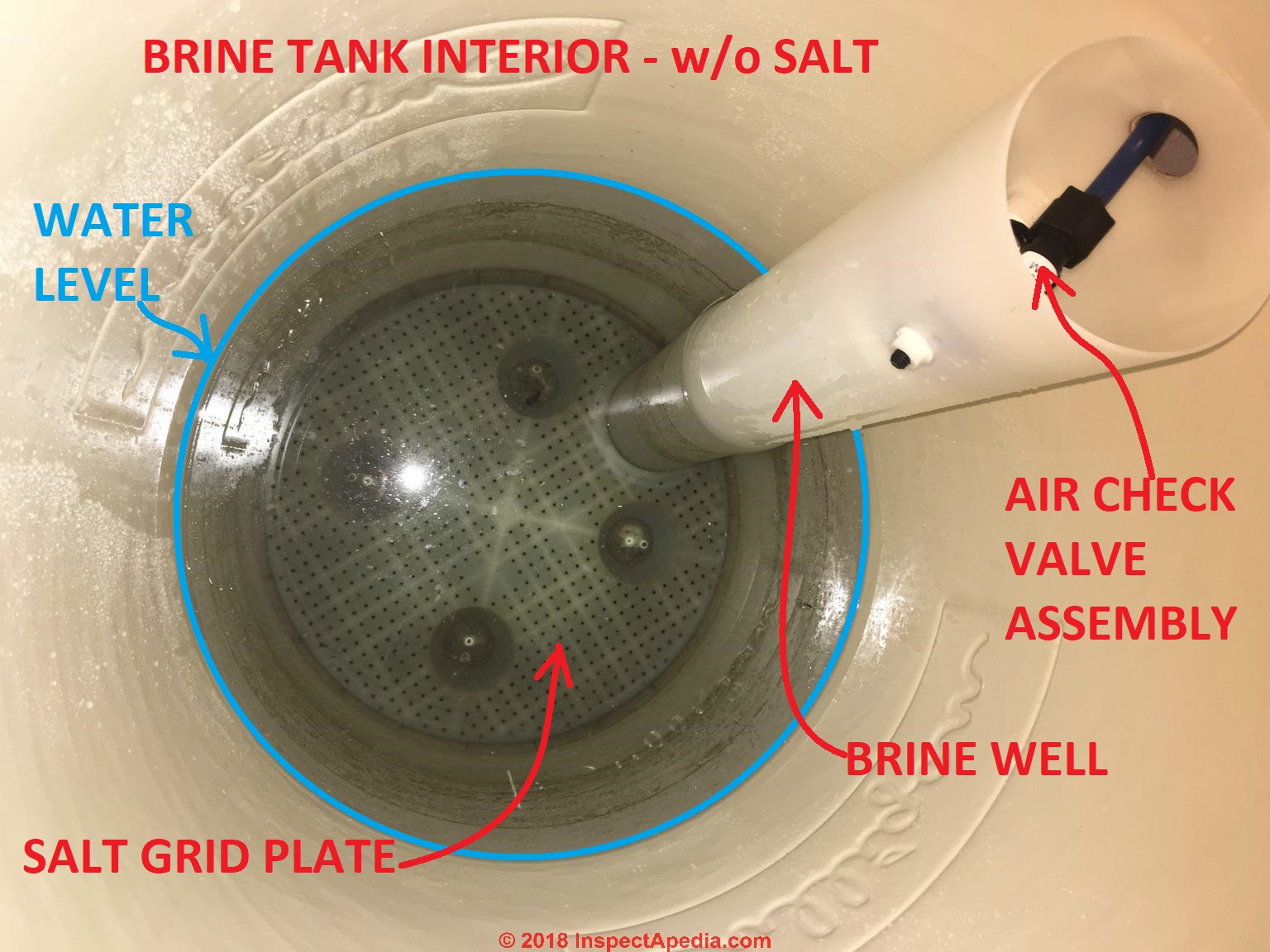
The float inside the tank controls water level. If it is set too low, the tank won’t fill. Open the tank and find the float arm. Bend the arm up slightly to raise the float. This adjustment lets more water enter the tank. Test by running the softener cycle again.
Fixing Leaks And Blockages
Leaks or blockages stop the tank from filling properly. Check all pipes and connections for drips or cracks. Tighten loose fittings or replace damaged parts. Look inside the tank for any clogged tubes or hoses. Clear any blockages with a small brush or air pressure. Fixing leaks saves water and improves filling.
Resetting The Control System
The control system manages the softener’s operation. Sometimes it needs a reset to fix errors. Find the control panel on your softener. Press the reset button or follow the manual’s reset steps. This action clears errors and restarts the filling process. A reset often solves minor technical problems fast.
Credit: inspectapedia.com
When To Call A Professional
Knowing when to call a professional for your water softener tank saves time and frustration. Some problems need expert tools and skills to fix safely. Simple fixes you can try, but certain signs mean it’s time to get help. This helps avoid damage and costly repairs later.
Complex Mechanical Failures
Water softener tanks have many parts inside. Gears, valves, and seals work together for smooth operation. When these parts break or wear out, the tank may stop filling. Fixing complex mechanical failures needs special knowledge. A professional can diagnose and repair these problems correctly.
Electrical Component Issues
Modern water softeners use electrical controls. Problems with wiring, timers, or sensors can stop the tank from filling. These electrical issues can be dangerous to handle alone. Professionals know how to test and fix electrical parts safely and accurately.
Persistent Flow Problems
Sometimes, water flow issues cause the tank not to fill. Blockages or pressure problems may be hidden deep inside. If cleaning simple parts does not help, a professional can find the root cause. They use tools to check pipes and valves thoroughly for hidden faults.
Preventive Tips For Smooth Operation
Preventing a water softener tank from not filling starts with good care. Simple steps help keep the system working well. These tips reduce problems and extend the tank’s life. Follow these easy habits for smooth operation and fewer issues.
Regular Maintenance Schedule
Check the water softener tank every month. Clean the brine tank and check salt levels. Replace worn parts as needed. Regular service stops small problems from growing. Keep a calendar to track maintenance tasks.
Monitoring Water Quality
Test water hardness regularly. High mineral levels can cause blockages. Use water test kits to see changes. Adjust the softener settings based on results. Good water quality means better softener performance.
Avoiding Hard Water Build-up
Flush the tank to remove mineral deposits. Use cleaning agents safe for softeners. Avoid overfilling the salt tank. Hard water build-up can clog valves and pipes. Prevent build-up to keep water flowing freely.
Credit: www.watersmartsystems.com
Frequently Asked Questions
Why Is My Water Softener Tank Not Filling?
The tank may be clogged, have a faulty valve, or low water pressure. Check the inlet valve and clean any blockages to restore flow.
How To Fix A Water Softener Tank Not Filling?
Inspect the bypass valve, clean the resin tank, and ensure the water supply is on. Replace damaged parts to resume filling.
Can Water Pressure Cause Softener Tank Issues?
Yes, low water pressure can prevent the tank from filling properly. Ensure your home’s water pressure meets the softener’s requirements.
What Maintenance Prevents Water Softener Tank Filling Problems?
Regularly clean the resin bed, check valves, and inspect the brine tank. Proper maintenance avoids blockages and improves tank filling.
Conclusion
A water softener tank not filling can cause many problems at home. Check the valve and water supply first. Clean any clogs or debris inside the tank. Make sure the settings on the control valve are correct. Small fixes often solve the problem quickly.
Regular care helps keep your system working well. Don’t ignore signs of trouble; act early to avoid bigger issues. A working softener means better water for your family every day.