
Are you noticing low water pressure every time your water softener kicks in? It can be frustrating when your showers feel weak or your taps barely trickle.
You might wonder if your water softener is to blame or if there’s a hidden problem in your plumbing. Understanding why this happens and how to fix it can save you time, money, and stress. Keep reading to discover the common reasons behind low water pressure when your water softener is on—and what you can do right now to get your water flowing strong again.
Causes Of Low Water Pressure
Low water pressure with a water softener on can be frustrating. It affects everyday tasks like showering and washing dishes. Knowing the causes helps fix the problem quickly. Several issues inside the softener or in the water supply can reduce pressure. Here are the common causes to check.
Clogged Resin Tank
The resin tank holds beads that soften water. Over time, dirt and minerals can clog the beads. This blockage slows water flow through the tank. The result is lower pressure at your taps. Cleaning or replacing the resin may restore normal flow.
Valve Malfunctions
The valves control water movement inside the softener. If a valve sticks or breaks, water flow can drop. Malfunctioning valves cause pressure to fall suddenly or gradually. Checking and fixing valves often solves this issue fast.
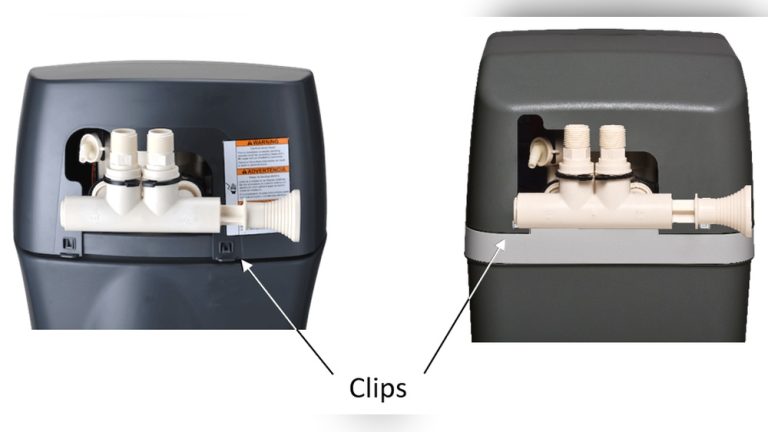
Bypass Valve Issues
The bypass valve lets water skip the softener when needed. If this valve is partly open or damaged, it can reduce pressure. The water may leak or flow less through the system. Adjusting or repairing the bypass valve restores pressure.
Pipe Blockages
Mineral buildup or debris can block pipes connected to the softener. Blocked pipes restrict water flow and lower pressure. Inspecting and clearing pipes removes these barriers. This step often improves water flow quickly.
Water Supply Problems
Sometimes low pressure comes from the main water supply. Issues like leaks, breaks, or city supply limits affect flow. Testing pressure before the softener helps find these problems. Contacting the water provider may be necessary.

Credit: www.thompsonfamilyplumbing.com
Signs Of Low Pressure
Low water pressure during water softener use can cause many problems. It affects daily tasks like showering and washing dishes. Knowing the signs helps you fix the issue fast. Watch for these common clues to detect low pressure early.
Reduced Flow Rate
Water flows slower than usual from taps and showers. Filling buckets or containers takes longer. This slow flow shows the water softener may block or limit water. It signals a pressure drop inside your plumbing.
Uneven Water Distribution
Some faucets have strong water flow, while others are weak. Water pressure varies across different parts of the house. This uneven flow often means the softener is not working right. Pipes or valves may be clogged or stuck.
Noisy Operation
Strange sounds come from your water softener during use. Whistling, banging, or humming noises often appear. These noises can happen when water pressure is too low. They warn of mechanical problems or blockages inside the system.
Diagnosing The Problem
Low water pressure when the water softener is on can cause many problems. Finding the cause helps fix the issue quickly. Some simple steps help diagnose the problem. Each step checks a different part of the system. Follow these checks to understand what needs repair or adjustment.
Checking The Pressure Gauge
The pressure gauge shows the water pressure in the softener system. Read the gauge carefully. Low pressure on the gauge points to a flow issue. High pressure might mean a blockage or valve problem. Compare the reading with your system’s normal range. This step helps identify if pressure loss starts here.
Inspecting The Resin Bed
The resin bed cleans the water by trapping minerals. Over time, the resin beads may clog or wear out. Check the resin bed for dirt or damage. Dirty resin reduces water flow and pressure. Replace or clean the resin bed to restore proper function. This step ensures the water softener can work well.
Testing The Bypass Valve
The bypass valve allows water to skip the softener. Test the valve to see if it is fully open or closed. A partly closed valve lowers water pressure. Turn the valve to different positions and watch for pressure changes. Proper valve function is key to good water flow through the system.
Examining Plumbing Connections
Loose or blocked plumbing connections cause pressure drops. Look for leaks, kinks, or clogged pipes near the softener. Tighten any loose fittings carefully. Clear blockages to let water flow freely. Proper plumbing keeps water pressure steady when the softener runs.
Fixing Common Issues
Low water pressure with a water softener can be frustrating. Many common problems cause this issue. Fixing these problems can restore your water flow quickly. Simple checks and repairs often solve the problem.
Cleaning Or Replacing Resin
The resin inside the softener traps minerals that cause hardness. Over time, resin beads get dirty or worn out. Dirty resin reduces water flow and softening ability. Cleaning the resin with a proper cleaner helps. If resin is old, replacing it is best. New resin improves water pressure and softener function.
Adjusting Or Repairing Valves
Valves control water flow through the softener. Sometimes valves get stuck or misaligned. This limits water pressure and flow. Check all valves and ensure they move freely. Tighten or replace broken valves. Proper valve adjustment restores smooth water flow.
Flushing The System
Mineral buildup or debris can block pipes inside the softener. Flushing the system clears these blockages. Run a full regeneration cycle to flush out dirt. Use clean water to rinse the system well. Flushing improves water pressure and softener efficiency.
Repairing Pipe Leaks
Leaks reduce water pressure by letting water escape. Check pipes and fittings around the softener for leaks. Tighten loose connections or replace damaged pipes. Fixing leaks ensures full water flow and better pressure.
Preventing Low Water Pressure
Low water pressure can disrupt daily tasks like showering and washing dishes. Preventing it helps keep your water softener working well and your water flow steady. Taking simple steps can avoid many common issues.
Regular Maintenance Tips
Clean the resin tank regularly to avoid blockages. Check for salt bridges or clumps in the brine tank. Replace filters on time to keep water flowing smoothly. Clear any debris from the inlet screen to prevent clogs. Regular checks catch problems early before pressure drops.
Proper Installation Practices
Install the water softener according to the manual. Use the correct pipe size to allow good water flow. Avoid sharp bends or kinks in plumbing lines. Place the softener where it is easy to access and service. Proper setup reduces pressure loss and keeps water steady.
Monitoring Water Quality
Test your water for hardness and sediment regularly. High sediment can clog softener parts and reduce pressure. Watch for changes in water taste or smell. Use a pre-filter if water has many particles. Monitoring helps adjust the system and keeps pressure stable.

Credit: www.reddit.com

Credit: www.reddit.com
Frequently Asked Questions
Why Is Water Pressure Low When Water Softener Runs?
Low water pressure often occurs due to clogged resin beads or a blocked bypass valve. Mineral buildup can restrict water flow. Regular maintenance and cleaning can prevent these issues and keep pressure optimal.
How To Fix Low Water Pressure From Water Softeners?
Check for clogged resin or a stuck valve. Clean or replace filters, and inspect the bypass valve. Regular system regeneration also helps maintain proper water pressure levels.
Does Water Softener Size Affect Water Pressure?
Yes, an undersized water softener can reduce water pressure. Ensure the softener matches your household water demand to avoid pressure drops during use.
Can Salt Buildup Cause Low Water Pressure?
Salt buildup inside the softener can block water flow. Regularly cleaning the brine tank and using quality salt helps prevent this issue and maintains good pressure.
Conclusion
Low water pressure with a water softener can cause frustration. Check for clogged pipes or a dirty filter first. Make sure the softener is working correctly and not stuck in a cycle. Regular maintenance helps keep water flow steady. Small fixes often solve the problem quickly.
Don’t ignore low pressure; it can affect your whole home. Stay patient and follow simple steps to improve water flow. Clean water and good pressure make daily tasks easier. Keep your system in good shape for best results.