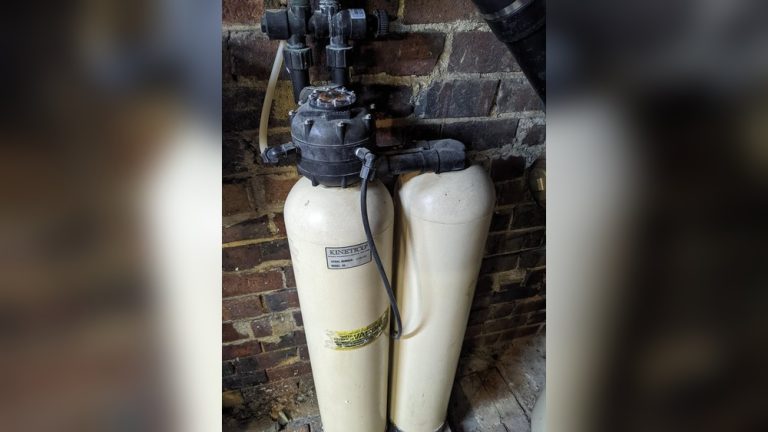

Is your water softener air gap leaking and causing water to drip or puddle? This small but important part of your water system can create big problems if it’s not working right.
You might notice water stains, strange noises, or even water damage around your softener. Don’t ignore these signs—your home’s water quality and safety could be at risk. You’ll learn why your air gap is leaking, what risks come with it, and simple steps you can take to fix the problem quickly.
Keep reading to protect your home and keep your water system running smoothly.
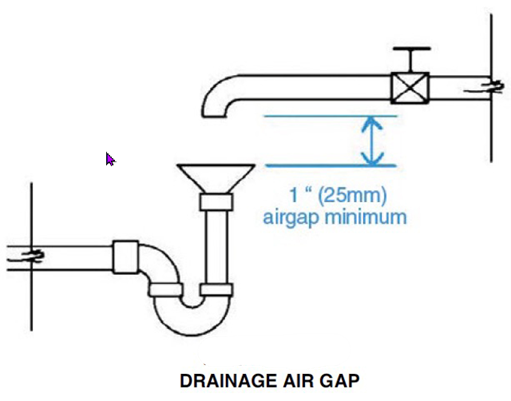
Credit: uswatersystems.com
Causes Of Air Gap Leaks
Leaks in a water softener air gap can cause water damage and reduce system efficiency. Understanding the common causes helps in fixing the problem quickly. Many issues arise from simple mistakes or wear and tear. Identifying the cause is the first step toward a proper repair.
Clogged Drain Line
A clogged drain line blocks water flow from the air gap. Dirt, debris, or mineral buildup can cause this blockage. Water backs up and leaks from the air gap assembly. Regular cleaning of the drain line prevents clogs and leaks.
Loose Connections
Loose connections between the air gap and hoses cause leaks. Vibration or poor installation can loosen fittings over time. Tightening these connections stops water from leaking out. Check all joints regularly for a secure fit.
Damaged Air Gap Assembly
The air gap assembly can crack or break due to impact or age. Damage creates gaps where water can escape. Replacing a damaged air gap assembly restores proper sealing. Inspect the assembly for cracks or wear signs.
Improper Installation
Incorrect installation leads to misalignment and leaks. Using wrong parts or poor placement affects the air gap’s function. Following manufacturer instructions ensures a leak-free setup. Proper installation avoids future problems and water damage.
Identifying The Leak Source
Identifying the source of a water softener air gap leak helps fix the problem quickly. Pinpointing the exact cause reduces water damage and saves money. Follow clear steps to inspect key parts of the system. Each step checks for common issues that cause leaks.
Inspecting The Air Gap
Start by looking closely at the air gap itself. Check for cracks or loose fittings around the device. Make sure the air gap sits properly above the drain. Dirt or debris on the air gap can cause water to leak out. Clean the area and tighten connections carefully.
Checking Water Pressure
High water pressure often causes leaks in the air gap. Use a pressure gauge to measure water pressure near the softener. Ideal pressure usually stays below 60 psi. Pressure above this can force water out of the air gap. Adjust or install a pressure regulator if needed.
Examining Drain Hose
Look at the drain hose connected to the air gap. Check for cracks, holes, or loose clamps along the hose. A damaged hose leaks water during softener cycles. Ensure the hose runs smoothly without kinks or bends. Replace worn or broken hoses promptly.
Testing For Blockages
Blockages in the drain line cause water to back up and leak. Run water through the drain hose and air gap to watch for slow drainage. Remove any visible debris or buildup inside the hose and air gap. Use a plumber’s snake if needed to clear deep clogs.
Quick Fixes To Stop Dripping
Water softener air gap leaks cause constant dripping. Fixing this quickly saves water and prevents damage. Some simple steps can stop the leak fast. Follow these easy tips to fix your air gap.
Clearing Clogs With A Brush
Clogs often cause leaks in the air gap. Use a small brush to clear dirt and debris. Clean inside the air gap carefully. Remove all blockages for smooth water flow. This step often stops the dripping immediately.
Tightening Loose Fittings
Loose fittings create gaps where water can drip. Check all connections around the air gap. Use a wrench to tighten any loose parts. Be careful not to overtighten and damage fittings. Secure fittings reduce leaks and keep water where it belongs.
Replacing Worn Parts
Old or damaged parts cause leaks over time. Inspect the air gap for cracks or worn seals. Replace any broken or soft parts with new ones. Using fresh parts ensures a tight seal. This prevents leaks and extends your system’s life.
Adjusting Installation Setup
Incorrect installation leads to air gap leaks. Make sure the air gap is positioned correctly. Check that hoses are not bent or twisted. Adjust the setup to follow manufacturer guidelines. Proper installation stops leaks and improves system function.
Preventing Future Leaks
Preventing future leaks in your water softener air gap is key to avoiding costly repairs. Taking small, regular steps can keep your system running smoothly. Simple care helps stop leaks before they start.
Regular Maintenance Tips
Clean your water softener parts often. Remove any dirt or debris that can block the air gap. Replace worn-out seals and washers to keep tight connections. Schedule maintenance every few months to catch issues early.
Using Quality Components
Choose strong, durable parts for your water softener. Cheap materials wear out fast and cause leaks. Buy components that fit well and meet industry standards. Good parts last longer and keep your system sealed.
Routine Inspections
Check the air gap and surrounding pipes regularly. Look for cracks, loose fittings, or water stains. Early detection helps fix small problems before they grow. Set a monthly reminder for inspection.
Proper Drainage Practices
Make sure the drain line is clear and angled correctly. Avoid clogs that cause water to back up into the air gap. Use a drain that meets the water softener’s specifications. Proper drainage reduces pressure on the system.
When To Call A Professional
Knowing when to call a professional for a water softener air gap leak is important. Some problems look small but need expert help. Acting early can stop bigger damage. Below are signs that show a repair needs a technician’s skill.
Signs Beyond Diy Repair
Leaks that keep coming back need more than tape or glue. Water pooling near the softener suggests a hidden problem. Strange noises or smells from the softener mean internal parts may fail. If you see rust or corrosion, this is beyond simple fixing. A strong or sudden leak also requires a pro’s attention.
Potential Risks Of Ignoring Leaks
Ignoring leaks can cause water damage to floors and walls. Mold can grow in damp spots, risking health. Leaks can waste water and raise bills. Over time, the softener may break down completely. This leads to costly repairs or replacements. Acting late can harm your home’s structure.
Choosing The Right Technician
Pick a technician with experience in water softener systems. Check for proper licenses and good reviews. Ask about warranties on repairs and parts. A skilled pro will find the leak source fast. They use the right tools to fix the problem safely. Choose someone who explains the issue clearly and answers your questions.
Credit: terrylove.com

Credit: uswatersystems.com
Frequently Asked Questions
What Causes A Water Softener Air Gap To Leak?
Leaks often result from a clogged or damaged air gap. Mineral buildup or loose fittings can also cause leaks. Proper cleaning and tight connections usually fix the issue.
How Can I Fix A Leaking Water Softener Air Gap?
First, turn off the water supply. Clean or replace the air gap if clogged or damaged. Tighten all connections to stop leaks.
Is A Leaking Air Gap Harmful To My Water Softener?
Yes, leaks can cause water damage and reduce system efficiency. Address leaks promptly to prevent further problems and ensure proper function.
How Often Should I Inspect My Water Softener Air Gap?
Inspect the air gap every 3 to 6 months. Regular checks help catch leaks early and maintain system performance.
Conclusion
A leaking water softener air gap can cause water damage. Fix the leak quickly to avoid bigger problems. Check the air gap for cracks or clogs often. Clean or replace parts if needed to keep it working. Proper care helps your water softener last longer.
Stay alert to any unusual drips or puddles. Small issues can turn into costly repairs fast. Keeping your system in good shape saves time and money. Simple steps make a big difference in home maintenance.