
Is your water softener flow meter not working? If you’ve noticed strange readings or no movement at all, it can be frustrating.
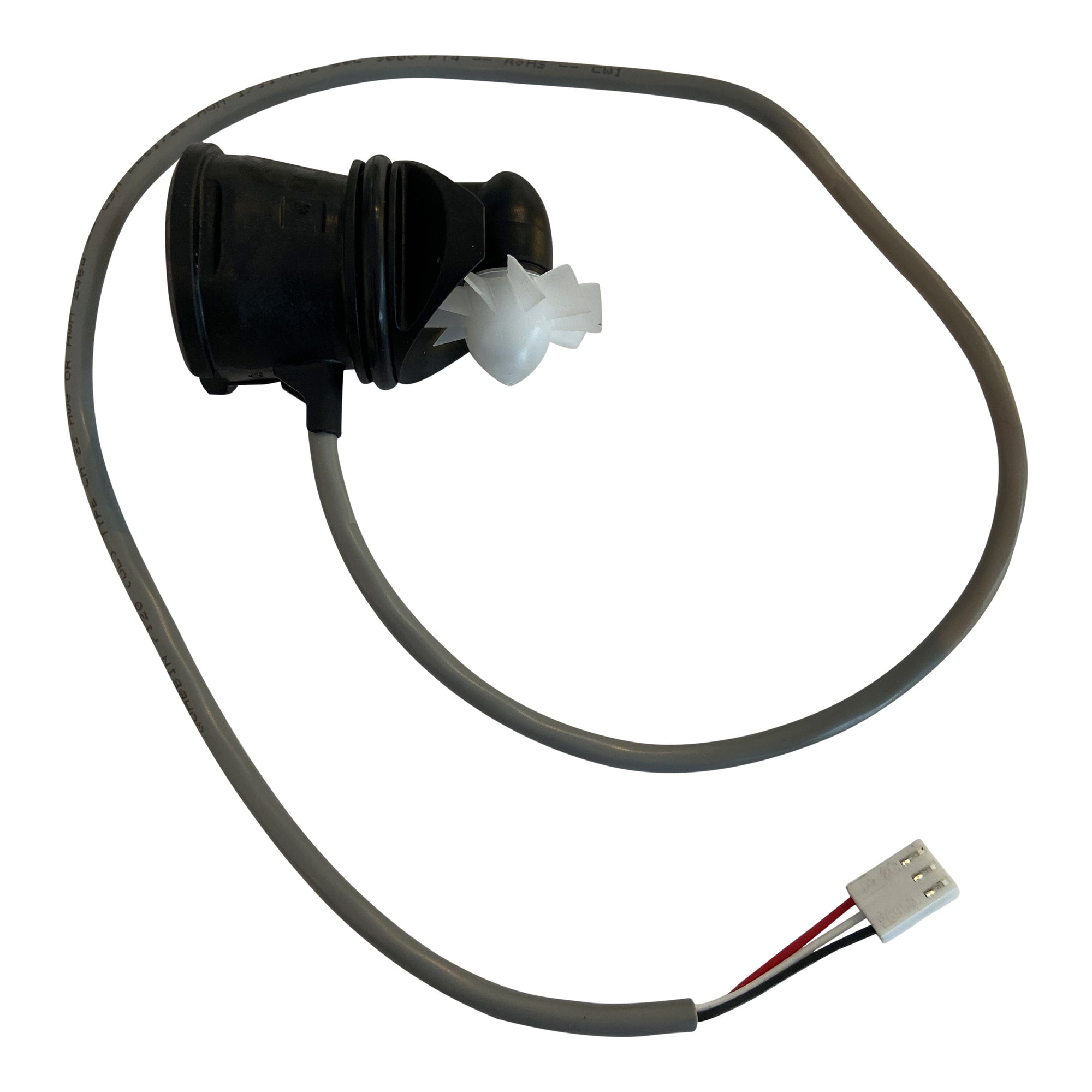
Your water softener relies on this small device to measure how much water passes through, helping it work efficiently. When the flow meter fails, it can mess up your entire system, leading to hard water problems or wasted salt. But don’t worry—understanding why this happens and how to fix it could save you time, money, and headaches.
Keep reading to learn the simple steps you can take to get your flow meter back in shape and keep your water softener running smoothly.
Common Flow Meter Issues
Flow meters play a vital role in water softeners. They measure the water flow to control the softening process. When the flow meter stops working, it can cause problems with water quality and system performance. Understanding common flow meter issues helps in quick diagnosis and repair.
Clogged Sensors
Clogged sensors block water from reaching the meter correctly. Dirt, minerals, and debris build up over time. This buildup causes inaccurate readings or no readings at all. Cleaning the sensors regularly keeps the flow meter working well. Check the sensors if the meter shows strange numbers.
Electrical Failures
Electrical failures can stop the flow meter from sending signals. Wires may become loose or damaged. Power surges can also harm the meter’s electronics. Testing the wiring and connections helps find electrical problems. Replace broken parts to restore proper function.
Calibration Errors
Calibration errors occur when the flow meter is not set correctly. This leads to wrong flow measurements. Over time, meters may drift from their original settings. Recalibrating the meter ensures accurate water flow tracking. Follow the manufacturer’s steps for proper calibration.
Credit: waterestore.ca
Tools Needed For Troubleshooting
Troubleshooting a water softener flow meter requires the right tools. Having these tools ready helps you find and fix problems fast. This saves time and avoids extra costs. You do not need many tools, but some basics are essential.
Basic Hand Tools
Start with simple hand tools. A screwdriver set is a must for opening panels and removing covers. Pliers help in gripping and turning small parts. A wrench comes in handy for loosening or tightening bolts around the flow meter. Keep a flashlight nearby to see inside dark areas clearly.
Testing Equipment
Testing tools check if the flow meter works correctly. A multimeter measures voltage and resistance in the meter’s electrical parts. A clamp meter can check current flow without disconnecting wires. Water pressure gauges help confirm if water flows at the right pressure through the meter.
Replacement Parts
Some parts may need replacement during troubleshooting. Keep spare sensors and flow meter modules ready. O-rings and seals might wear out and cause leaks. Having these parts nearby helps fix problems quickly without waiting for new shipments.
Step-by-step Quick Fixes
Water softener flow meters are essential for proper system operation. When the flow meter stops working, quick fixes can help restore function fast. Follow these simple steps to troubleshoot and fix common issues.
Cleaning The Flow Meter
Turn off the water supply before cleaning. Remove the flow meter carefully from the system. Use a soft brush or cloth to clean dirt and debris. Avoid harsh chemicals that could damage the sensor. Rinse with clean water and dry thoroughly. Reinstall the flow meter and check for proper operation.
Resetting The System
Locate the reset button on your water softener. Press and hold the button for a few seconds. This action clears errors and restarts the system. Wait a moment for the device to reboot. Observe if the flow meter starts working again. Resetting often solves minor glitches quickly.
Checking Electrical Connections
Turn off the power to the water softener. Inspect wires connected to the flow meter. Look for loose, frayed, or disconnected wires. Secure all connections firmly in place. Replace any damaged wires with proper replacements. Restore power and test the flow meter’s function.
Recalibrating The Meter
Find the calibration settings on your water softener’s control panel. Follow the manual’s instructions to recalibrate the flow meter. Calibration ensures accurate water flow readings. Use a known water flow rate for precise adjustment. Save the new settings and monitor performance. Proper calibration avoids future errors.

Credit: www.youtube.com
When To Replace The Flow Meter
Knowing when to replace your water softener flow meter is important for maintaining water quality. A broken flow meter can cause incorrect readings and affect your system’s performance. Timely replacement prevents bigger problems and keeps your water softener working well.
Signs Of Permanent Damage
Some signs show that the flow meter is beyond repair. The meter might not respond at all or give random readings. Cracks or corrosion on the meter’s body also signal damage. If cleaning or resetting does not fix the problem, the meter is likely permanently damaged. Strange noises or leaks near the meter are warning signs too. These issues mean replacement is necessary to avoid system failure.
Cost Vs. Repair Considerations
Repairing a flow meter can be cheaper at first. But some repairs do not last long. New meters are more reliable and come with warranties. Consider the cost of repair parts and labor against buying a new meter. If repairs approach the price of a new unit, replacement is smarter. New flow meters improve accuracy and save money over time. Think about future maintenance costs when deciding.
Maintenance Tips To Prevent Failures
Maintaining your water softener flow meter is key to avoiding failures. Simple care steps keep it working well and extend its life. Regular attention prevents clogs and errors in measurement. Follow these maintenance tips to protect your system and ensure smooth operation.
Regular Cleaning Schedule
Clean the flow meter at least once a month. Dirt and mineral buildup can block sensors and pipes. Use a soft cloth and mild soap to wipe parts gently. Avoid harsh chemicals that may damage the meter. Keeping it clean helps maintain accurate readings.
Monitoring Water Quality
Check your water quality regularly. High levels of minerals or debris can harm the flow meter. Use water testing kits to detect issues early. Treat water with filters if needed to reduce particles. Clean water means fewer problems for your meter.
Routine System Checks
Inspect the entire water softener system monthly. Look for leaks, cracks, or loose connections. Test the flow meter’s response by running water through it. Listen for unusual noises that may indicate trouble. Early detection saves costly repairs and downtime.
Credit: aquasureusa.com
Frequently Asked Questions
Why Is My Water Softener Flow Meter Not Working?
A faulty flow meter often results from dirt buildup or sensor damage. Check for clogs, clean the meter, and inspect wiring. Replacing the flow meter may be necessary if the problem persists.
How To Reset A Water Softener Flow Meter?
To reset, locate the control panel and press the reset button. If your model lacks a reset button, unplug the unit for a few minutes. Always consult your user manual for specific reset instructions.
Can A Clogged Flow Meter Cause Softener Failure?
Yes, a clogged flow meter restricts water flow, leading to regeneration issues. Regular cleaning prevents clogs and ensures accurate meter readings and efficient softener operation.
How Often Should I Maintain The Flow Meter?
Maintain the flow meter every 6 to 12 months. Regular checks and cleaning extend the meter’s lifespan and prevent malfunction, keeping your water softener working efficiently.
Conclusion
A water softener flow meter not working can cause problems. Check for blockages or dirt inside the meter. Make sure all connections are tight and secure. Sometimes, a simple reset fixes the issue. Regular cleaning helps keep the meter accurate.
Replacing old or faulty parts may be necessary. Keeping the flow meter working saves water and energy. Stay patient and follow these easy steps. Your water softener will work well again.