
Are you struggling with hard water problems at home? Your water softener system is the key to making your water cleaner, softer, and better for your skin and appliances.
But if the settings aren’t right, you won’t get the full benefits. Understanding your water softener system settings can save you money, improve water quality, and extend the life of your plumbing. You’ll discover exactly how to adjust and optimize these settings for your unique needs.
Keep reading to unlock the secret to perfect water every day.
Credit: www.petersonsalt.com
Types Of Water Softener Systems
Water softener systems come in different types. Each type works in a unique way to reduce hard minerals in water. Understanding these types helps you pick the right system for your home.
Some systems use salt to soften water. Others work without salt. There are also systems with two tanks for continuous soft water supply.
Salt-based Softeners
Salt-based softeners remove hard minerals using a process called ion exchange. The system swaps calcium and magnesium with sodium. This method is very effective at softening water. It also helps prevent scale build-up in pipes and appliances. Users need to add salt regularly for the system to work well.
Salt-free Softeners
Salt-free softeners do not use salt or chemicals. They change hard minerals so they do not stick to surfaces. This method is called water conditioning. It helps reduce scale but does not remove minerals. Salt-free systems need less maintenance. They are good for people who want a natural option.
Dual Tank Systems
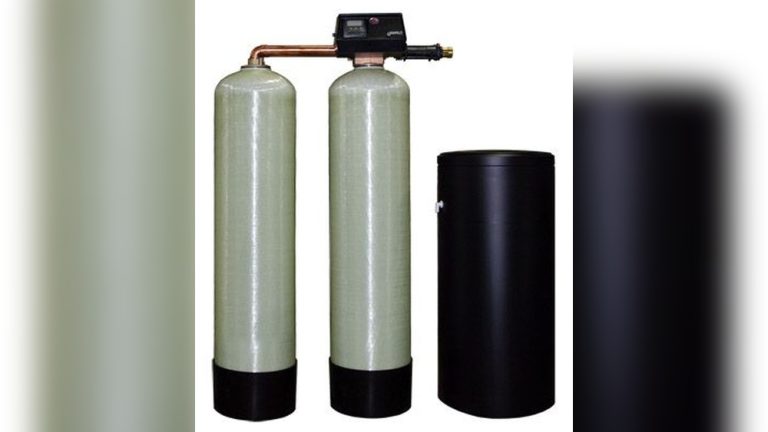
Dual tank systems have two tanks that work together. One tank softens water while the other regenerates. This design provides soft water all the time. It is useful for large families or homes with high water use. These systems often last longer and need less downtime.
Key Settings To Adjust
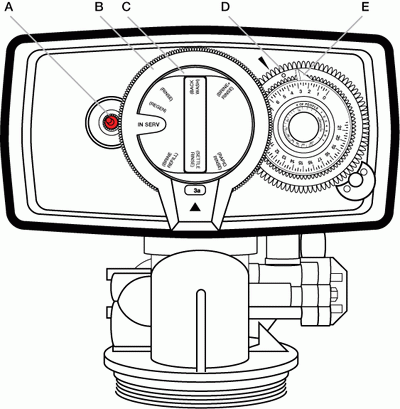
Adjusting the key settings of your water softener system helps it work better. These settings control how often and how much salt the system uses. They also affect the timing of the cleaning cycle and the system’s response to water hardness. Correct settings save salt, water, and energy. They also protect your pipes and appliances from damage.
Regeneration Frequency
This setting decides how often your water softener cleans itself. The system removes the minerals that make water hard during regeneration. Too frequent regeneration wastes salt and water. Too rare regeneration lets hard minerals build up. Set the frequency based on your water use and hardness level.
Salt Dosage Levels
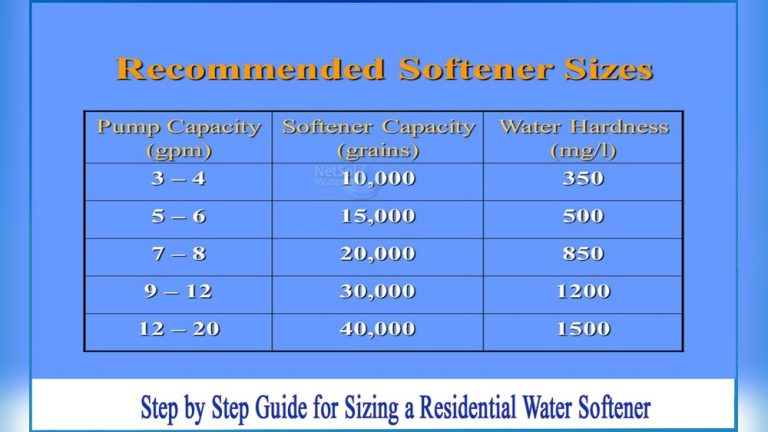
The salt dosage controls how much salt the system uses each time it regenerates. More salt cleans better but uses more resources. Less salt saves money but may not soften water fully. Find the right balance by checking your water hardness and system size. Use just enough salt for good results.
Water Hardness Input
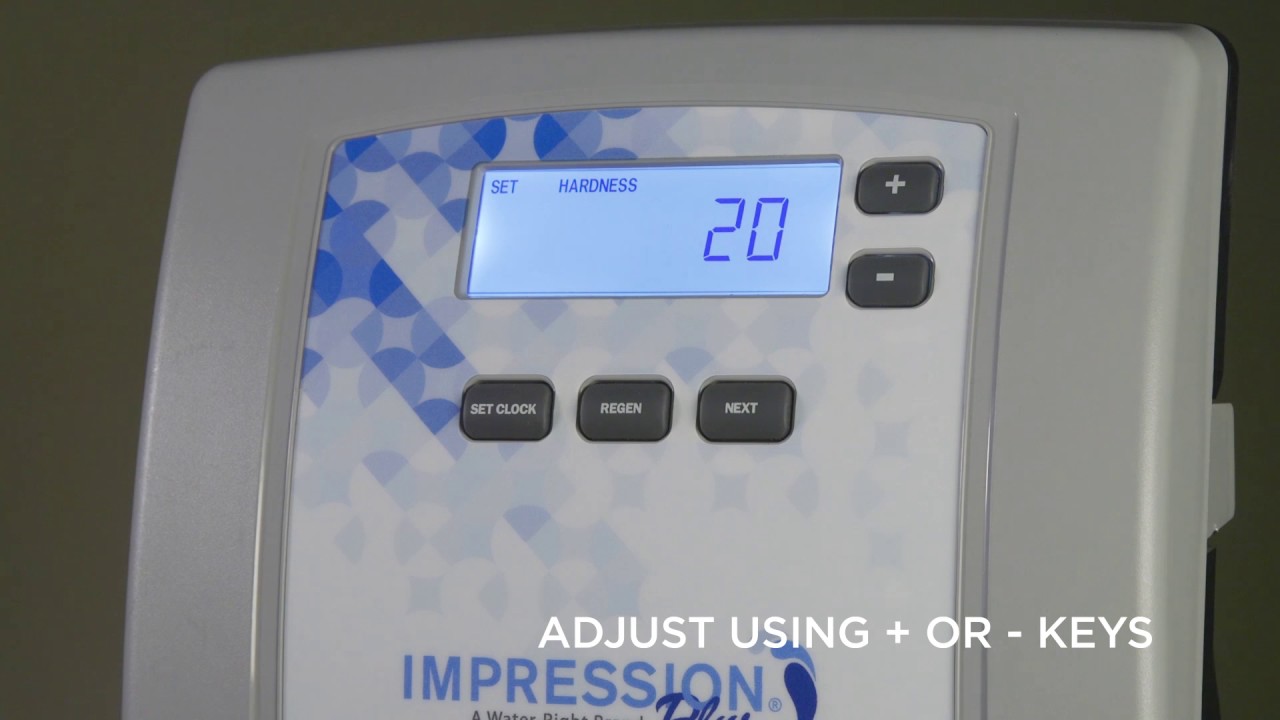
Enter the hardness level of your water into the system. This tells the softener how hard your water is. The system uses this info to adjust salt use and regeneration timing. Test your water or check with the supplier to get the right hardness number. Accurate input improves performance and saves resources.
Time Of Regeneration
Set the regeneration time for when water use is low. Many choose late night or early morning hours. This avoids running out of soft water during busy times. Choosing the right time reduces noise and water waste. Ensure the system regenerates at a time that fits your daily routine.
Calibrating For Water Hardness
Calibrating your water softener system is key to effective water treatment. It adjusts the system to match your home’s water hardness level. Proper calibration prevents scale buildup and extends appliance life. This process ensures soft water flows through your pipes.
Testing Your Water Hardness
Start by testing your water hardness. Use a test kit or send a sample to a lab. The result shows hardness in grains per gallon (GPG) or parts per million (PPM). Knowing the exact hardness helps set the softener correctly. Test water from the main supply for best accuracy.
Adjusting Settings Based On Test Results
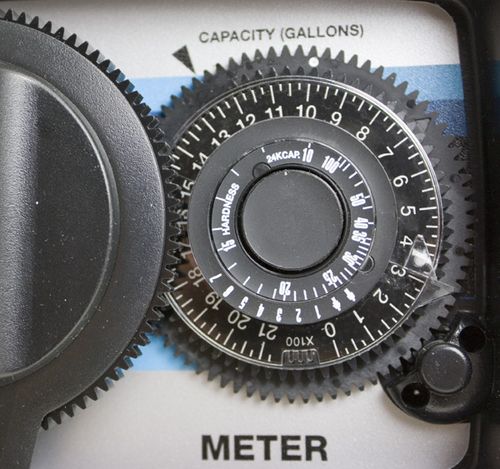
Adjust your water softener settings based on test results. Enter the hardness level into the control panel. Set regeneration frequency to match water usage and hardness. Too low setting wastes salt and water. Too high setting lets hardness pass through. Fine-tune for best balance and efficiency.
Credit: www.purewateroccasional.net
Optimizing Regeneration Cycles
Optimizing regeneration cycles is key to making your water softener work well. Proper settings save water, salt, and energy. They keep your water soft longer and reduce wear on the system. Adjusting these cycles can improve the overall performance of your water softener.
Understanding how and when your system regenerates helps you set it right. This keeps the softener running smoothly and cuts down on waste. Let’s explore the main options for regeneration cycles.
Manual Vs. Automatic Regeneration
Manual regeneration means you start the cycle yourself. You watch the water use and salt levels closely. This option gives control but needs attention and effort. It suits smaller households or those with variable water use.
Automatic regeneration happens on its own. The system uses a timer or meter to decide when to start. This is easier and more consistent. It fits larger homes or busy families well. Automatic systems adjust better to daily water use.
Setting Regeneration Time For Efficiency
Choose a regeneration time when water use is low. Nighttime is often best. This avoids interrupting your water supply during busy hours. It also helps the softener work quietly without disturbance.
Set the cycle to match your water hardness and usage. Too frequent regeneration wastes salt and water. Too rare regeneration lets hard water in. Find a balance to keep water soft and save resources.
Salt Usage And Maintenance Tips
Maintaining your water softener system ensures it works well and lasts longer. Proper salt usage is key to keep the system efficient. Salt helps the system remove hardness from the water. Using the right salt and regular care avoids common problems.
Choosing The Right Salt Type
Pick salt designed for water softeners. Pellet salt dissolves slowly and works well. Crystal salt is cheaper but may leave more residue. Solar salt is natural and dissolves easily. Check the salt’s purity to avoid damage. High-purity salt protects your system and improves performance.
Preventing Salt Bridges And Mushing
Salt bridges form hard crusts inside the tank. They stop the salt from dissolving properly. To avoid this, keep the salt dry and the tank clean. Break salt bridges carefully with a broom handle. Mushing happens when salt turns into a thick sludge. Use coarser salt to prevent mush. Regularly check the salt level and condition.
Regular Cleaning Procedures
Clean the brine tank every six months. Empty the tank and remove leftover salt. Wash the tank with warm water and mild soap. Rinse well before adding new salt. Clean the system’s resin beads as recommended. This keeps the softener working smoothly and extends its life.
Credit: www.youtube.com
Troubleshooting Common Issues
Troubleshooting common problems with your water softener system can save time and money. Most issues are simple to fix and do not require professional help. Understanding common problems helps keep your system running smoothly. Below are solutions to frequent issues you might face.
Low Water Pressure
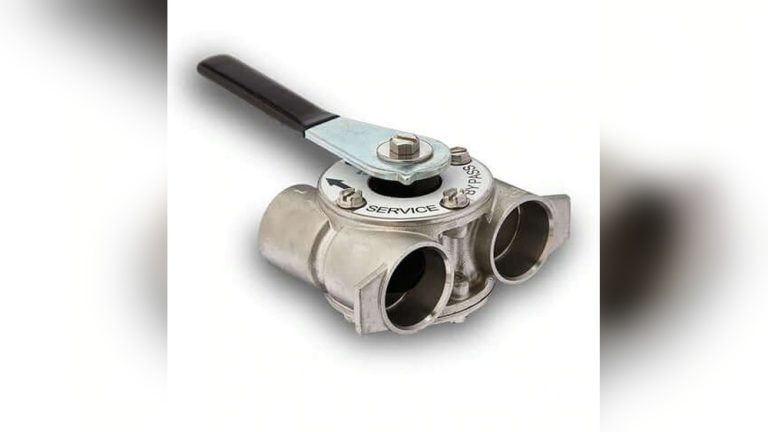
Low water pressure often means a clogged system. Check the filter screen for dirt or debris. Clean or replace it if necessary. Also, inspect the pipes for blockages or leaks. Make sure the bypass valve is fully open. These steps usually restore normal water pressure quickly.
Salt Tank Problems
Salt tank issues are common and easy to fix. First, check the salt level. Add more salt if it is low. Look for salt bridges, which are hard salt crusts blocking water flow. Break them gently with a stick. Clean the tank every few months to prevent buildup and odors.
Ineffective Softening
Ineffective softening means your water still feels hard. Check the salt dosage setting on the system. Adjust it higher if needed. Verify the regeneration cycle is working properly. Clean the resin beads by running a cleaning solution through the system. These actions improve softening performance quickly.
Advanced Settings For Smart Systems
Smart water softener systems come with advanced settings. These settings make the system easier to use and more efficient. Users can control many features from their phone or tablet. The system adapts to water usage and keeps the water soft all the time. Let’s explore some key advanced settings.
Wi-fi Connectivity Features
Wi-Fi connectivity lets the system connect to the internet. This allows updates and new features to download automatically. Users can check the system status anytime through an app. It also helps in diagnosing problems without needing a technician visit.
Usage Tracking And Alerts
The system tracks water use daily. It learns the household’s water habits over time. Alerts notify users when salt levels are low or when maintenance is needed. These alerts prevent sudden issues and keep the system running smoothly.
Remote Control Options
Remote control lets users adjust settings from anywhere. The app can start regeneration cycles or pause the system when needed. This feature saves time and adds convenience to water softener management.
Frequently Asked Questions
What Are The Basic Water Softener System Settings?
Basic settings include hardness level, regeneration time, and salt dosage. These ensure efficient softening and system longevity.
How Do I Adjust Regeneration Frequency?
Regeneration frequency depends on water hardness and usage. Set it to avoid salt waste and maintain soft water quality.
Why Is Setting Water Hardness Important?
Correct hardness settings optimize softener performance. It prevents scale buildup and saves salt and water during regeneration.
Can I Customize Salt Dosage In My Softener?
Yes, adjusting salt dosage matches your water hardness and usage. Proper dosage improves efficiency and reduces operational costs.
Conclusion
Setting your water softener system correctly saves time and protects your home. Adjusting settings helps keep water soft and appliances safe. Regular checks ensure the system runs smoothly. Simple changes can improve water quality a lot. Remember to follow the user guide for best results.
Clean, soft water feels better and lasts longer. Keep your system in good shape for daily comfort. Small efforts lead to big benefits. Your water softener can work well for years. Easy steps make a big difference.