
Are you struggling to get the best performance from your Marlo water softener? Setting it up correctly can make all the difference in how well it protects your pipes and improves your water quality.
In this guide, you’ll discover simple steps to adjust your Marlo water softener settings for smooth, soft water every day. Whether you want to save money, extend your system’s life, or enjoy softer skin and cleaner clothes, understanding these settings is key.
Keep reading—you’re just moments away from unlocking the full potential of your water softener.

Credit: www.warnersstellian.com
Choosing The Right Hardness Level
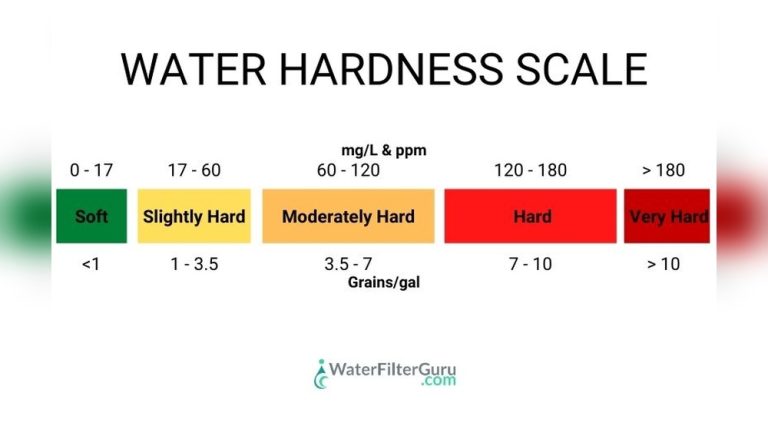
Choosing the right hardness level is key for your Marlo water softener. It controls how much hardness your system removes. Setting this correctly saves salt and energy. It also protects your pipes and appliances from damage. Knowing your water hardness helps set the softener properly.
Testing Your Water Hardness
Start by testing your water hardness with a simple kit. These kits measure calcium and magnesium levels. You can buy them online or in stores. Follow the instructions carefully for accurate results. Note the hardness level in grains per gallon (gpg) or parts per million (ppm). This number tells you how hard your water is.
Adjusting Settings To Match Hardness
Use the hardness number to set your softener. Most Marlo softeners let you enter this number directly. A higher hardness level means more salt and longer regeneration cycles. Lower hardness needs less salt and shorter cycles. Adjust settings in small steps for best results. Proper settings improve water quality and save money.
Setting The Regeneration Cycle
Setting the regeneration cycle on your Marlo water softener is key for smooth operation. This cycle cleans the resin beads inside the softener. Clean beads help remove hardness from water effectively. Proper settings save salt and water during regeneration. Adjusting these settings to your household needs improves performance and reduces waste.
Understanding how to set the regeneration cycle helps keep your water softener working well. It also extends the system’s life. Let’s explore the types of regeneration modes and how to time them properly.
Types Of Regeneration Modes
Marlo water softeners offer several regeneration modes. The most common are time-initiated and meter-initiated modes. Time-initiated mode regenerates water softener at fixed intervals. For example, every three days at night. This mode is simple but may waste salt or water if usage varies.
Meter-initiated mode regenerates based on water usage. The system measures how much water passes through. It starts regeneration only when the resin needs cleaning. This mode saves salt and water by regenerating only when necessary. Choose the mode that fits your water use habits.
Timing Your Regeneration
Set regeneration time when water use is low. Nighttime or early morning works best. Regenerating during these hours avoids water shortages. It also reduces noise disturbance.
Check your water softener manual to set the exact time. Make sure the system has enough salt before regeneration starts. Proper timing ensures clean, soft water is ready when needed.
Adjusting Salt Dosage
Adjusting the salt dosage in your Marlo water softener is important. It controls how much salt the system uses to clean hard minerals from your water. Setting the right salt dosage keeps your water soft and your system working well. Too much salt wastes resources and can harm the environment. Too little salt may reduce softening quality. Finding the right balance improves performance and saves money.
Calculating Salt Usage
Start by checking your water hardness level. This number tells how many minerals are in your water. The higher the number, the more salt you will need. Look at your water softener manual for guidance on salt amounts. Most models suggest a salt setting based on grains per gallon (GPG) of hardness. Use this to set the salt dosage on your Marlo softener. Keep track of salt used each month. This helps adjust settings and reduce waste.
Balancing Efficiency And Performance
Too much salt can cause buildup inside the system. It also increases salt costs and environmental impact. Too little salt means minerals stay in your water. This lowers water softness and can damage pipes or appliances. Adjust salt dosage slowly. Test water softness after each change. Aim for the lowest salt setting that still gives soft water. This balance keeps your softener efficient and your water quality high.
Credit: www.marlo-inc.com
Optimizing Water Flow Rate
Optimizing the water flow rate in your Marlo water softener is important for best results. Proper flow ensures soft water reaches all parts of your home efficiently. It also helps the system work longer without extra maintenance.
Adjusting flow rate correctly can save water and energy. It also protects your plumbing and appliances from hard water damage. Understanding how flow rate affects softening is key to setting your system right.
Effects Of Flow Rate On Softening
Flow rate controls how fast water moves through the softener. Too fast means water does not get fully softened. Hard minerals may stay in the water. This reduces the quality of soft water you get.
Too slow flow rate wastes water and takes more time. It can cause the system to use more salt and energy. Balanced flow improves softener performance and saves costs.
Adjusting For Household Needs
Each home uses water differently. Large families need higher flow rates to keep up with demand. Smaller homes can use slower flow for better softening.
Check your water usage and adjust the softener flow accordingly. Follow the Marlo manual for specific settings. Testing water hardness after adjustment helps confirm the right flow.
Maintaining Your Water Softener
Maintaining your Marlo water softener ensures it works well for a long time. Regular care keeps water soft and clean. It also helps avoid costly repairs and improves efficiency.
Simple steps can keep the system running smoothly. Understanding these steps helps you protect your investment and enjoy soft water daily.
Regular Cleaning Tips
Clean the brine tank every few months. Remove salt buildup and sludge that block the system. Use warm water and a mild soap to wash the tank. Rinse well before refilling with salt.
Check the resin tank for dirt and debris. Clean gently to avoid damage. Replace the resin if it becomes old or clogged.
Clean the venturi valve regularly. This part controls water flow and can get blocked. Remove it and rinse with clean water.
Monitoring System Alerts
Marlo softeners have alerts for low salt and errors. Check the control panel daily or weekly. Respond quickly to alerts to prevent issues.
Keep an eye on water hardness levels. High levels mean the system may need maintenance. Adjust settings or clean parts as needed.
Reset the system after major cleaning or salt refill. This helps the softener work properly without errors.
Credit: www.marlo-inc.com
Energy Saving Tips
Saving energy with your Marlo water softener reduces bills and helps the environment. Small changes in settings can make a big difference. Focus on timing and electricity use for the best results.
Setting Timers And Delays
Use the timer on your Marlo water softener to control when it runs. Set it to start only when you need soft water. Avoid running the system during busy household hours. This reduces energy waste and keeps your home efficient.
Delays help by postponing regeneration cycles. Schedule these for times when you use less water. This keeps the softener from running unnecessarily and saves power.
Using Off-peak Hours
Run your water softener during off-peak hours. Electricity costs less at night or early morning. Set the system to regenerate during these times. This lowers your energy bills without any loss in performance.
Check your local utility’s off-peak schedule. Match your softener’s settings to these hours. This simple step cuts costs and uses energy wisely.
Frequently Asked Questions
How Do I Set The Regeneration Time On Marlo Water Softener?
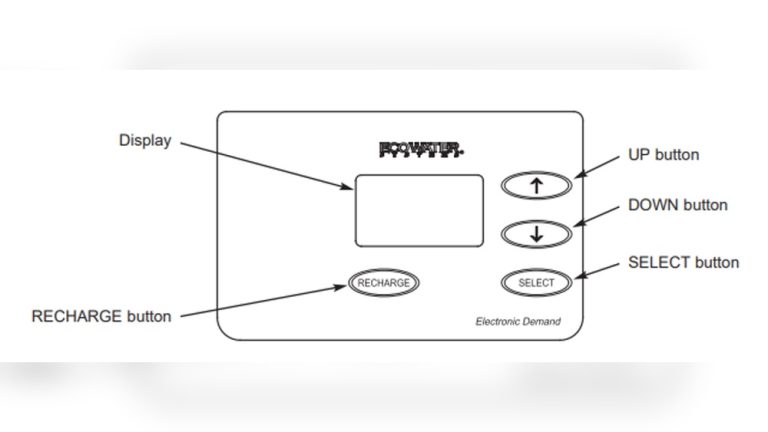
To set the regeneration time, access the control panel on your Marlo softener. Use the buttons to select the desired time, usually during low water usage hours like midnight. This saves energy and ensures optimal softening.
What Is The Ideal Hardness Setting For Marlo Water Softener?
The ideal hardness setting matches your water’s hardness level, measured in grains per gallon (gpg). Test your water first, then enter that value into the softener. This ensures efficient removal of minerals without wasting salt.
How Often Should I Adjust Marlo Water Softener Settings?
Adjust settings only when your water usage or hardness changes. Typically, review settings every 6-12 months. Regular checks maintain performance and prevent salt or water waste.
Can I Customize Salt Dosage On Marlo Water Softener?
Yes, Marlo softeners allow salt dosage adjustments. Set the dosage based on water hardness and household size. Proper salt use improves regeneration efficiency and extends the system’s lifespan.
Conclusion
Setting your Marlo water softener correctly saves water and energy. It helps your home get soft, clean water every day. Adjust the settings based on your water hardness and usage. This keeps your softener working well for a long time.
Check the manual and follow simple steps to set it right. Proper settings mean less soap use and better appliance life. Take time to learn your softener’s controls. Small changes can make a big difference in water quality and cost.
Keep your water softener tuned for best results.