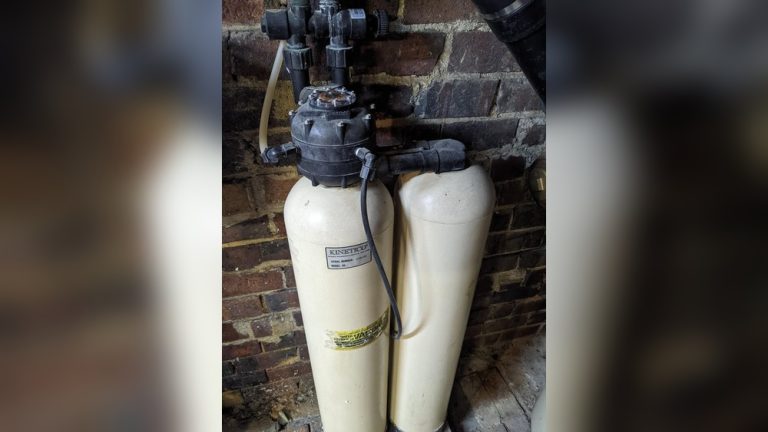

Is your Kenmore water softener not regenerating like it should? If you’ve noticed hard water stains or a change in water quality, this could be why.
When your water softener stops regenerating, it can affect your entire home’s water system. But don’t worry—you’re not alone, and fixing this issue might be simpler than you think. You’ll discover the common causes behind this problem and easy steps you can take to get your Kenmore water softener working smoothly again.
Keep reading to protect your pipes, appliances, and skin from the damaging effects of hard water.
Common Causes Of Regeneration Failure
Kenmore water softeners need regular regeneration to work well. Sometimes, the system stops regenerating. This problem affects water quality and appliance life. Many factors cause regeneration failure. Understanding these helps fix the issue quickly. Here are common causes of regeneration failure in Kenmore water softeners.
Clogged Resin Bed
The resin bed traps hard minerals from water. Over time, dirt and debris build up. This clogs the resin bed and stops regeneration. Cleaning or replacing the resin bed restores proper function.
Salt Bridge Formation
A hard crust of salt forms inside the brine tank. This salt bridge blocks salt from dissolving in water. Without salt, the softener cannot regenerate. Breaking the salt bridge frees the salt for normal use.
Timer Malfunction
The timer controls regeneration cycles. If it breaks, the softener won’t regenerate on time. Replacing or fixing the timer solves this problem.
Low Water Pressure
Water pressure drives the regeneration process. Low pressure means less water flow through the system. The softener cannot clean the resin bed properly. Checking and fixing water pressure helps regeneration.
Faulty Control Valve
The control valve manages water flow during regeneration. A faulty valve causes incorrect flow or no flow. Repairing or replacing the valve restores regeneration function.

Credit: www.youtube.com
How To Check Salt Levels
Checking salt levels is key to fix a Kenmore water softener that won’t regenerate. Salt helps the system clean the resin beads that remove hard minerals from water. Low salt or blocked salt can stop the softener from working right. Follow these steps to check and manage salt levels properly.
Inspecting The Brine Tank
Open the brine tank lid carefully. Look inside for salt. The salt should cover the water but not be all solid. If you see water above salt, it means salt is dissolving correctly. Salt should be at least half full for good operation. Remove anything that looks like hard salt clumps.
Removing Salt Bridges
Salt bridges form when salt hardens and creates a crust. This stops salt from mixing with water. Tap the sides of the tank gently with a broom handle. Break the hard crust if you find one. Do not use sharp tools to avoid damage. Clear broken salt pieces from the tank bottom.
Refilling Salt Properly
Use high-quality water softener salt only. Pour salt slowly to avoid air pockets. Keep salt levels above the water line but below the tank top. Check salt monthly and refill as needed. Clean the tank once a year to keep salt fresh and softener working well.
Resetting The Water Softener Timer
Resetting the water softener timer is an important step if your Kenmore water softener is not regenerating properly. The timer controls when the softener starts the regeneration process. Sometimes, the timer may get out of sync or stop working, causing the unit to miss its cycle. Resetting the timer can fix this and keep your water softener working well.
Locating The Timer
The timer is usually found on the control panel of the Kenmore water softener. Look for a small dial or digital display with numbers and settings. It may be behind a cover or on the front of the unit. Check your user manual for the exact location if you cannot find it. Knowing where the timer is helps you reset it correctly.
Manual Regeneration Cycle
You can start a manual regeneration cycle to test the timer and the softener. Press the regeneration button or turn the timer dial to the regeneration setting. This will force the softener to begin the cleaning process right away. Watch the unit to see if it begins to regenerate. If it does, the timer reset worked.
Adjusting Regeneration Frequency
The regeneration frequency controls how often the softener cleans the resin beads. This setting depends on your water hardness and usage. Adjust the frequency by turning the timer dial or changing settings on the digital control. Set it to run more often if you have hard water. This helps keep your water soft and your softener functioning well.
Credit: www.termelucane.it
Cleaning The Resin Bed
Cleaning the resin bed is key to fixing a Kenmore water softener not regenerating. The resin beads trap hard minerals, but they get dirty over time. This dirt stops the softener from working well. Regular cleaning keeps the resin bed fresh and efficient. It helps the system regenerate properly and gives soft water.
Signs Resin Needs Cleaning
Water feels hard even after softening. Spots appear on dishes or glassware. The softener runs more often than before. Water flow slows down in your home. Salt usage rises without good reason. These signs show the resin bed may be dirty.
Steps To Clean Resin
Turn off the water softener and unplug it. Open the resin tank carefully. Remove the resin beads if possible. Rinse the beads with clean water to remove debris. Soak the beads in a cleaning solution for a few hours. Rinse the beads again and put them back. Restart the softener and run a regeneration cycle.
Using Resin Cleaner Products
Choose a cleaner made for water softener resin beds. Follow the instructions on the product label exactly. Add the cleaner to the brine tank or resin tank. Run a manual regeneration cycle after adding the cleaner. Cleaners remove iron, manganese, and other buildup. Use resin cleaner every few months for best results.
Troubleshooting Control Valve Issues
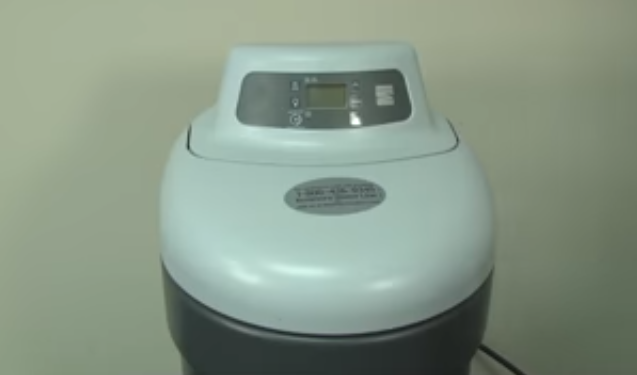
Troubleshooting control valve issues is key when your Kenmore water softener stops regenerating. The control valve directs water flow during the softening and regeneration cycles. If it malfunctions, the system cannot clean the resin beads properly. This leads to hard water problems and poor softening performance.
Checking the control valve can save time and money. Small problems often cause big issues. Knowing how to spot valve problems helps fix your softener quickly.
Identifying Valve Problems
Listen for unusual noises during regeneration. Grinding or clicking sounds may mean the valve gears are worn. Check for leaks around the valve body. Cracks or water dripping indicate damage. Watch the timer or digital display. If it skips or stops, the valve motor or control board might be faulty. Also, check if the valve moves smoothly when manually advanced. Stiff or stuck valves need attention.
Replacing Or Repairing Valves
First, unplug the unit and shut off water supply. Remove the valve cover carefully. Clean any debris or sediment inside the valve. Sometimes, stuck parts loosen with cleaning. Replace worn gears or seals with exact parts from Kenmore. Lubricate moving parts with plumber-approved grease. If the valve motor fails, replacement is often necessary. Follow the manual instructions for reassembly. Test the system by running a manual regeneration cycle.
When To Call A Professional
Call a plumber if you cannot identify the issue. Complex valve problems may need special tools or knowledge. Avoid forcing parts or wiring repairs. Professionals ensure safe and correct fixes. Persistent leaks, electrical faults, or control board errors require expert help. Getting professional support prevents further damage and restores water softener function quickly.
Credit: www.watersmartsystems.com
Preventative Maintenance Tips
Preventative maintenance helps keep your Kenmore water softener working well. It stops problems before they start. Small, regular tasks can save you time and money. Follow these tips to avoid issues like the softener not regenerating.
Regular Salt Checks
Salt is key for your water softener. Check the salt level every week. Add salt before it runs low. Use the right salt type for your model. Avoid letting the salt form a hard crust. This keeps the system working smoothly.
Scheduled Cleaning
Clean the brine tank twice a year. Remove dirt and salt build-up. Use mild soap and water for cleaning. Rinse the tank well before adding salt again. Clean parts prevent clogging and improve performance.
Monitoring Water Pressure
Water pressure affects softener regeneration. Check pressure monthly with a gauge. Keep pressure within the recommended range. Low or high pressure can cause problems. Adjust pressure to keep your system running well.
Frequently Asked Questions
Why Is My Kenmore Water Softener Not Regenerating?
Your Kenmore water softener may not regenerate due to a power outage, timer issues, or clogged valves. Check the power supply and settings first. Also, inspect for salt bridges or low salt levels that can block regeneration.
How Do I Manually Regenerate My Kenmore Softener?
To manually regenerate, locate the control panel on your Kenmore softener. Press and hold the regeneration button until the cycle begins. This forces the system to start the cleaning process immediately, restoring softening efficiency.
Can Salt Levels Affect Kenmore Softener Regeneration?
Yes, low or hardened salt in the brine tank can prevent regeneration. Always keep salt levels above the water line and break up salt bridges to ensure proper softener function.
What Causes Regeneration Cycle Failure In Kenmore Softeners?
Cycle failure often results from timer malfunctions, clogged injector nozzles, or motor problems. Regular maintenance, including cleaning and checking electrical components, helps prevent these issues.
Conclusion
A Kenmore water softener not regenerating can cause hard water problems. Check the salt level and clean the brine tank first. Make sure the settings are correct and the timer works well. Regular maintenance helps keep the softener running smoothly.
Fix small issues quickly to avoid bigger damage. With simple care, your water softener can work like new again. Don’t let hard water affect your home comfort. Act soon and enjoy soft, clean water every day.