
Have you ever wondered what that small, often overlooked part on your water softener does? It’s called a bypass valve, and it plays a crucial role in how your water softener works—and even how your home’s water flows.
Understanding this little valve can save you from unexpected water issues and help you maintain your system better. Keep reading, and you’ll discover why the bypass valve is more important than you might think, and how it can give you control over your water quality with just a simple turn.

Credit: www.watersmartsystems.com
Purpose Of A Bypass Valve
The bypass valve on a water softener plays an important role. It controls the flow of water around the softener unit. This valve allows users to easily manage water supply without turning off the entire system. It ensures that water continues to flow smoothly even during maintenance or repairs.
Ensuring Continuous Water Flow
The bypass valve keeps water moving through the home. It directs water to skip the softener if needed. This is helpful when the softener is not working or needs cleaning. Water still reaches faucets and appliances without interruption. Homes avoid dry taps or water shortages during softener downtime.
Facilitating Maintenance And Repairs
The bypass valve makes service tasks easier and safer. It isolates the water softener from the main water line. Technicians can work on the softener without stopping water to the home. This prevents the need to shut off water completely. Repairs, cleaning, and salt refills become simpler and faster.
Types Of Bypass Valves
Bypass valves are essential parts of a water softener system. They allow water to flow around the softener without passing through it. This helps during maintenance or if you want to use hard water temporarily. There are different types of bypass valves, each with unique features and uses.
Manual Bypass Valves
Manual bypass valves need you to turn a lever or knob. This action opens or closes the valve to control water flow. They are simple and easy to use. You can quickly switch between soft and hard water. Manual valves are common in many home water softeners. They do not require electricity or complex parts.
Automatic Bypass Valves
Automatic bypass valves work without manual effort. They use sensors and motors to control water flow. These valves detect when the softener needs servicing or regeneration. Then, they redirect water flow automatically. Automatic valves add convenience and reduce manual work. They are often found in advanced or commercial water softeners.
How Bypass Valves Work
A bypass valve on a water softener helps control water flow. It allows water to go around the softener when needed. This can save the system during maintenance or repairs. The valve also helps manage water pressure. It ensures water flows smoothly through your home’s pipes.
Redirecting Water Around The Softener
The bypass valve lets water skip the softener unit. Turning the valve moves water through a separate path. This keeps water flowing even if the softener is off. It is useful during cleaning or fixing the softener. The valve prevents water stoppage in your home.
Controlling Water Pressure
The bypass valve helps balance water pressure. It avoids pressure drops that can damage pipes. When water flows through the softener, pressure may change. The valve adjusts flow to keep pressure steady. This protects your plumbing and appliances from harm.
When To Use A Bypass Valve
A bypass valve on a water softener controls water flow around the softening system. It helps manage water use without interrupting the entire supply. Knowing when to use this valve keeps water running smoothly and protects your pipes and appliances.
During Softener Servicing
Use the bypass valve when cleaning or repairing your water softener. It stops water from entering the softener while allowing water to flow through your home. This keeps water available without softening it. It also prevents damage to the softener parts during maintenance.
In Case Of System Malfunction
Activate the bypass valve if the water softener breaks down. This avoids water stoppage in your house. Water will flow without being softened, protecting your pipes from hard water damage. It also allows time to fix the problem without rushing.
Installing And Operating A Bypass Valve
Installing and operating a bypass valve on a water softener allows easy control of water flow. It helps you divert water around the softener for repairs or maintenance. Using the valve correctly ensures your water system works smoothly and safely.
Installation Tips
Choose a location that is easy to reach for future use. Shut off the main water supply before starting installation. Attach the bypass valve according to the manufacturer’s instructions. Use plumber’s tape on threaded connections to avoid leaks. Check all fittings to ensure they are tight but not over-tightened. Test the valve by switching it on and off to confirm proper flow.
Safe Operation Practices
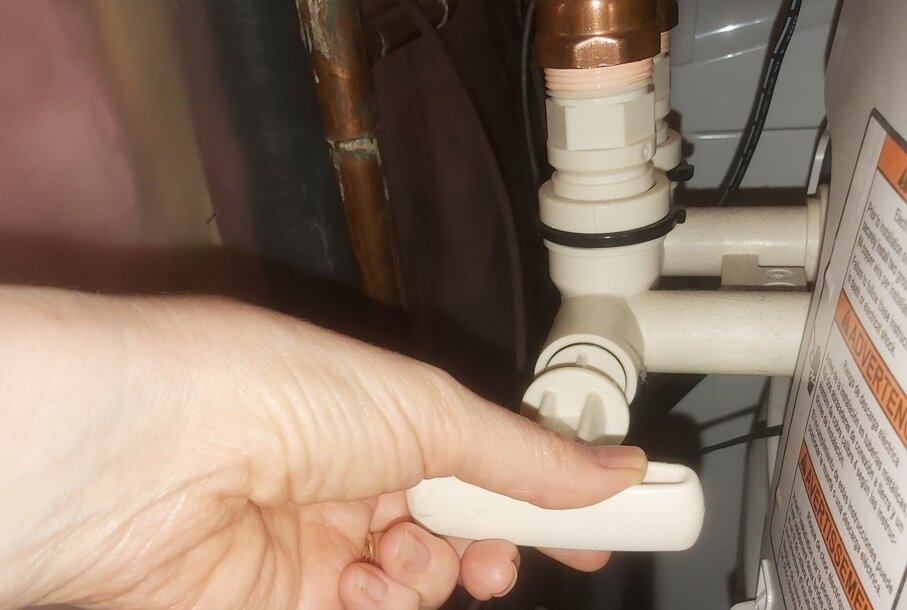
Turn the bypass valve slowly to prevent sudden water pressure changes. Always switch the valve to bypass mode before working on the softener. Avoid forcing the valve handle beyond its stops. Regularly inspect the valve for signs of wear or leaks. Keep the area around the valve clean and free of obstructions. Close the bypass valve fully to restore softened water flow.
Credit: www.watersmartsystems.com
Common Issues And Troubleshooting
Bypass valves on water softeners can face common problems over time. These issues may affect water flow and softener performance. Troubleshooting helps identify and fix these problems quickly. Understanding common issues saves time and prevents bigger damage.
Leaks And Drips
Leaks around the bypass valve often occur from worn seals or loose fittings. Water may drip steadily or appear only when the valve moves. Tighten all connections to stop minor leaks. Replace seals if tightening does not help. Check the valve body for cracks that cause leaks. Small leaks waste water and reduce softener efficiency.
Valve Stuck Or Hard To Turn
A stuck bypass valve stops water flow or bypasses the softener entirely. Mineral buildup or rust inside the valve causes stiffness. Apply a lubricant safe for plumbing parts to ease movement. Move the valve gently back and forth to loosen it. Avoid forcing the valve, which may cause damage. Regular maintenance prevents valves from sticking over time.

Credit: www.aquasoftuk.com
Frequently Asked Questions
What Is The Purpose Of A Bypass Valve On A Water Softener?
A bypass valve allows water to bypass the softener during maintenance or repairs. It ensures continuous water supply without softening, preventing system downtime and protecting plumbing from hard water damage.
How Does A Bypass Valve Work On A Water Softener?
The bypass valve diverts water flow around the softener unit. When engaged, water bypasses the resin tank, allowing untreated water to flow through your pipes temporarily, useful during servicing or emergencies.
Can I Install A Bypass Valve On Any Water Softener?
Most water softeners support bypass valve installation. It’s often included or available as an accessory. Check your model’s specifications or consult a professional for proper installation guidance.
Why Is A Bypass Valve Important For Water Softener Maintenance?
A bypass valve simplifies maintenance by letting you isolate the softener. This avoids water interruption and protects the system during cleaning, resin replacement, or repairs.
Conclusion
A bypass valve helps control water flow around a softener. It lets you use water without softening during repairs. This valve keeps your water supply steady and reliable. Knowing its role makes water softener care easier. Always check the valve for smooth operation.
It protects your home’s plumbing and appliances. Simple, smart, and useful—this valve matters.