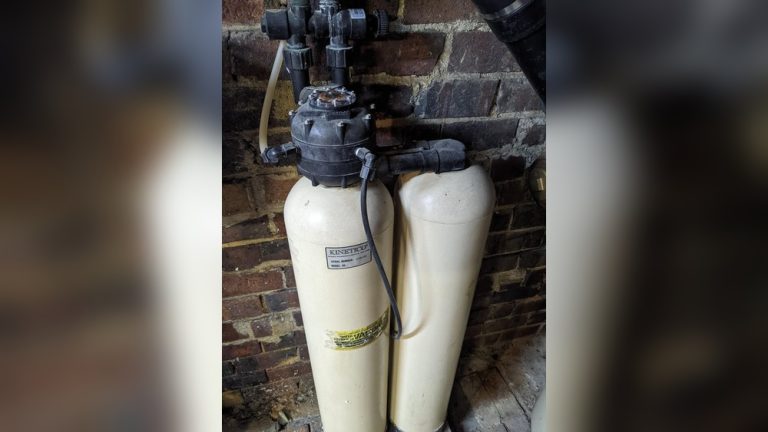

Is your Culligan water softener bypass valve stuck and leaving you frustrated? When this small but important part won’t move, it can disrupt your whole water system.
You might be worried about costly repairs or complicated fixes. But don’t worry—you’re not alone, and there are simple steps you can take to solve this problem quickly. Keep reading to learn how to identify why your bypass valve is stuck and what you can do right now to get your water softener working smoothly again.
Common Causes Of Bypass Valve Stuck
The bypass valve on a Culligan water softener can get stuck for several reasons. Understanding these common causes helps in fixing the problem quickly. This section explains why the valve might not move as it should.
Mineral Buildup And Corrosion
Hard water leaves minerals inside the valve. Over time, these minerals build up and block the valve parts. Corrosion also damages the metal pieces. Both make the valve hard to turn or stuck.
Mechanical Wear And Tear
The valve has moving parts that wear out with use. Springs, seals, and handles can break or get loose. Old or worn parts cause the valve to jam or not work smoothly.
Improper Installation Issues
Installing the valve wrong can cause it to stick. If parts are not aligned or tightened properly, the valve may bind. Wrong placement of pipes or fittings also affects valve movement.

Credit: www.culliganquadcities.com
Signs Your Bypass Valve Is Stuck
Recognizing the signs of a stuck Culligan water softener bypass valve can save you time and water damage. This valve controls the flow of water through your softener system. When stuck, it can cause several noticeable issues. Spotting these signs early helps prevent bigger problems and keeps your water softener working well.
Water Flow Problems
Water may stop flowing or slow down suddenly. You might notice weak water pressure at taps. Sometimes, water flow stops completely in certain parts of your home. These problems happen because the valve blocks or restricts water movement. Check your water flow if you suspect the bypass valve is stuck.
Unusual Noises
Listen for strange sounds near your water softener. Hissing, banging, or rattling noises can mean the valve is stuck. These sounds happen when water tries to pass through a blocked valve. Unusual noises often indicate mechanical trouble. Do not ignore these sounds as they signal valve issues.
Water Quality Changes
Your water might taste salty or feel hard. Hard water leaves spots on dishes and sinks. If the bypass valve is stuck, water may bypass the softener. This lets unsoftened water into your home. Notice changes in water clarity, smell, or taste as warning signs. These changes suggest your softener system is not working correctly.
Step-by-step Fix For A Stuck Bypass Valve
A stuck bypass valve on a Culligan water softener can stop water flow and cause frustration. Fixing it does not need a technician. Follow this step-by-step guide to free the valve. Simple tools and careful steps can restore smooth operation quickly.
Read each step carefully. Work slowly and safely. This process helps avoid damage to your system.
Gathering Necessary Tools
Prepare tools before starting. You need a wrench, screwdriver, and a lubricant spray. Keep a clean cloth nearby. These tools help loosen and clean the valve parts.
Shutting Off The Water Supply
Turn off the main water supply. This stops water flow to the softener. Open a faucet to release pressure. Work safely without water spilling or causing damage.
Lubricating The Valve
Spray lubricant on the valve stem and handle. Let it sit for a few minutes. Lubrication reduces friction and helps the valve move easier. Avoid using too much spray.
Manually Freeing The Valve
Use your hand or a wrench to gently turn the valve. Do not force it hard. Move it back and forth slowly. This action loosens stuck parts and clears debris.
Testing The Valve Operation
Turn the water supply back on. Slowly open and close the valve several times. Watch for smooth movement and no leaks. Check if water flows correctly through the softener.

Credit: www.culligan.com
Preventing Future Valve Issues
Preventing future issues with your Culligan water softener bypass valve helps keep your system running smoothly. Small problems can turn into big repairs. Taking simple steps today saves time and money later. Regular care extends the life of your water softener.
Regular Maintenance Tips
Check the bypass valve every month. Look for signs of leaks or stiffness. Turn the valve gently to keep it moving freely. Replace any worn or broken parts quickly. Use soft cloths to clean the valve area. Avoid harsh chemicals that can damage valve seals.
Water Softener Cleaning Routine
Clean the water softener tank regularly. Use mild soap and water to remove buildup. Rinse well to avoid soap residue. Flush the system to clear out any trapped minerals. Keep the brine tank free of salt bridges. Salt bridges block water flow and cause valve problems.
Professional Service Recommendations
Schedule yearly service with a water softener expert. Technicians spot small issues early and fix them fast. They can lubricate and adjust valves correctly. Professionals clean hard-to-reach parts thoroughly. Follow their advice on parts replacement and care. A yearly checkup prevents unexpected valve failures.
When To Replace The Bypass Valve
The bypass valve in your Culligan water softener controls water flow during maintenance or repairs. It helps you avoid shutting down the entire system. Over time, the valve can get stuck or leak. Knowing when to replace it can save you from bigger problems. Timely replacement keeps your water softener working well.
Signs Replacement Is Needed
Watch for leaks around the bypass valve. Water dripping or pooling is a clear sign. Difficulty turning the valve handle shows it may be stuck. If water flows through even when the valve is off, it likely needs replacement. Strange noises or sudden drops in water pressure also signal trouble.
Choosing The Right Replacement Valve
Pick a bypass valve made for your Culligan model. Check size and connection type before buying. Use valves with durable materials like brass or high-quality plastic. Choose one that resists corrosion and wear. Match the valve specifications to avoid leaks and poor fit.
Installation Best Practices
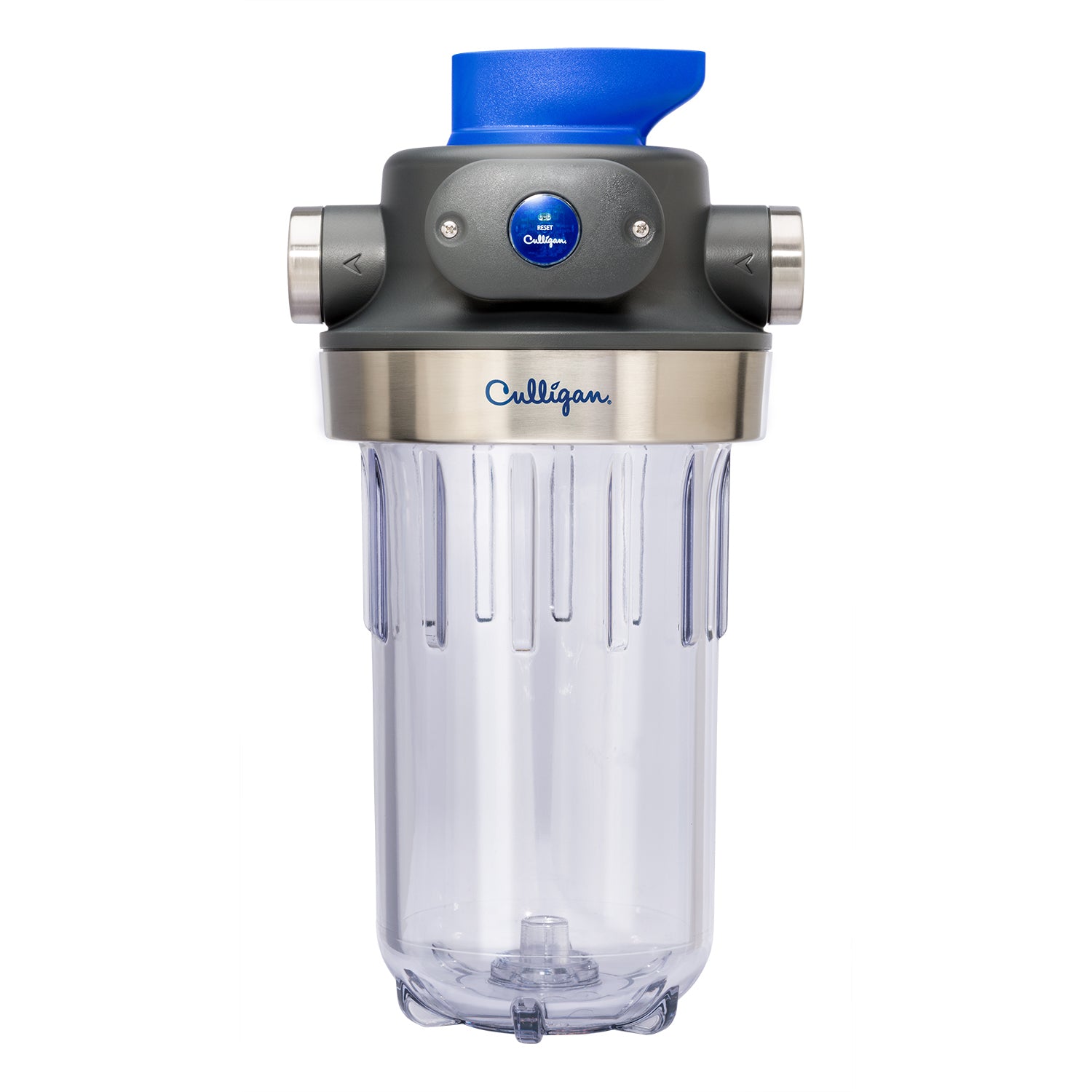
Turn off the water supply before removing the old valve. Drain the system to prevent spills. Clean the valve seat and surrounding area. Use plumber’s tape on threads to ensure a tight seal. Tighten the new valve by hand first, then use a wrench carefully. Test the valve by turning it on and off slowly. Check for leaks and proper water flow after installation.
Credit: culligandiy.com
Conclusion
A stuck bypass valve can cause many water softener problems. Fixing it quickly keeps your water clean and soft. Always check the valve position before calling for help. Small tools and careful steps can solve most issues. Regular maintenance helps prevent the valve from sticking again.
Clean parts and gentle handling extend your softener’s life. Staying aware of these tips saves time and money. Keep your Culligan water softener working smoothly for better water every day.