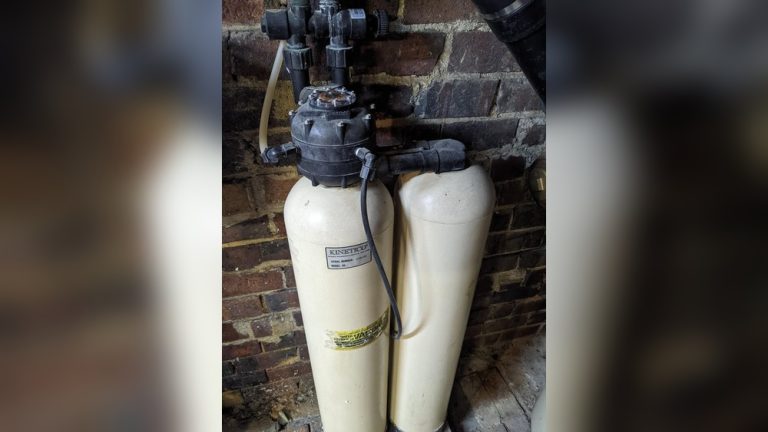

Is your water softener not drawing brine like it should? This problem can leave you with hard water issues and frustration.
You rely on your water softener to keep your water clean and smooth, so when it stops working properly, it’s a real headache. But don’t worry—you’re not alone, and the solution might be simpler than you think. You’ll discover why your water softener won’t draw brine and how to fix it quickly.
Keep reading to get your system back to perfect working order and enjoy soft, clean water again.
Common Causes Of No Brine Draw
Water softeners rely on drawing brine to clean the resin beads inside the tank. Without this step, the softener cannot remove hard minerals from water. Many issues can stop the brine draw process. Identifying the root cause helps fix the problem quickly.
Clogged Brine Line
The brine line moves salty water from the tank to the softener. Dirt, debris, or salt chunks can block this line. A clogged brine line stops the flow of brine, making the softener fail to regenerate. Cleaning or replacing the line can restore proper brine draw.
Salt Bridge Formation
A salt bridge is a hard crust that forms inside the salt tank. This crust separates the water from the salt. When a salt bridge forms, the softener cannot create brine solution. Breaking the salt bridge helps the softener start drawing brine again.
Faulty Injector
The injector creates suction to pull brine into the softener. Dirt or wear can cause the injector to malfunction. A faulty injector reduces or stops brine draw. Cleaning or replacing the injector is necessary to fix this problem.
Blocked Venturi Valve
The venturi valve helps create suction to draw brine. Blockage from dirt or salt buildup can stop its function. A blocked venturi valve prevents brine from entering the softener. Regular cleaning keeps the valve clear and working properly.
Low Water Pressure
Water pressure powers the brine draw process. If the pressure is too low, the softener cannot draw brine. Low water pressure may come from plumbing issues or supply problems. Fixing water pressure restores the softener’s ability to draw brine.

Credit: www.reddit.com
Tools And Materials Needed
Fixing a water softener that won’t draw brine requires the right tools and materials. Having these ready makes the job smoother and faster. You avoid delays and frustration by preparing everything in advance.
This list covers basic plumbing tools, cleaning supplies, and replacement parts. Each plays a key role in troubleshooting and repair. Let’s look at what you need.
Basic Plumbing Tools
Start with common plumbing tools. A wrench set helps loosen and tighten fittings. Screwdrivers, both flathead and Phillips, remove covers and screws. Pliers provide grip for small parts. Pipe cutters may be needed if you replace tubing. A bucket catches any water spills during the work.
Cleaning Supplies
Cleaning prevents clogs and helps spot damage. Use vinegar or mild detergent to clear salt buildup. Soft brushes scrub the brine valve and tank parts. Rags or paper towels wipe away grime and moisture. Clean parts ensure smooth water flow and proper brine draw.
Replacement Parts
Common parts to replace include brine valve seals and float assemblies. Check your water softener model for specific parts. Salt tank floats and injector screens often wear out. Having these on hand means you can fix issues quickly. Don’t forget new O-rings and washers for tight seals.
Step-by-step Brine Line Cleaning
Cleaning the brine line is a key step to fix a water softener that won’t draw brine. Dirt and salt buildup often block the line. This stops the softener from working well. A clear brine line lets the water softener draw salt water easily. Follow these simple steps to clean the brine line and keep your system running smoothly.
Shut Off Water Supply
Turn off the main water valve to stop water flow. This prevents leaks and water spills. Make sure the softener is not running during cleaning. Safety first. Wait a few minutes to let pressure ease in the pipes.
Remove And Inspect Brine Line
Disconnect the brine line from the tank carefully. Check the tube for cracks or damage. Look inside for salt clumps or dirt. A flashlight helps to see clearly. Replace the line if it looks worn or broken.
Clear Blockages And Debris
Flush the brine line with warm water. Use a thin brush or pipe cleaner to remove buildup. Gently push out any salt clogs or dirt. Avoid harsh chemicals that can harm the system. Repeat flushing until water flows freely.
Reassemble Components
Attach the cleaned brine line back to the tank. Tighten connections to avoid leaks but do not over-tighten. Turn on the water supply slowly. Check for leaks or unusual noises. Run a test cycle to ensure proper brine draw.

Credit: www.youtube.com
Fixing Salt Bridges
Fixing salt bridges is key when your water softener won’t draw brine. Salt bridges form hard crusts inside the brine tank. These crusts block salt from dissolving in water. The softener then cannot regenerate properly. Understanding how to spot and fix salt bridges helps keep your system running smooth.
Identifying Salt Bridges
Look inside the brine tank for a hard, solid layer of salt. It may appear like a crust or a hollow shell above the water level. The salt below this layer stays dry and untouched. This means a salt bridge has formed. Another sign is the softener not drawing brine during regeneration cycles. A simple poke with a broom handle can help check for salt bridges.
Breaking Up Solid Salt
Use a broom handle or stick to gently break the salt bridge. Avoid hitting the tank walls to prevent damage. Break the crust into smaller pieces that fall into the water. This allows the salt to dissolve and create the brine solution. After breaking up the salt, test the softener by running a manual regeneration.
Preventing Future Bridges
Keep the brine tank at least half full of salt to avoid bridges. Use high-quality salt that dissolves easily. Avoid mixing different salt types inside the tank. Check the tank regularly for early signs of crust formation. Flushing the tank occasionally can also help prevent buildup. Simple care keeps your softener working well over time.
Checking And Replacing Injector Parts
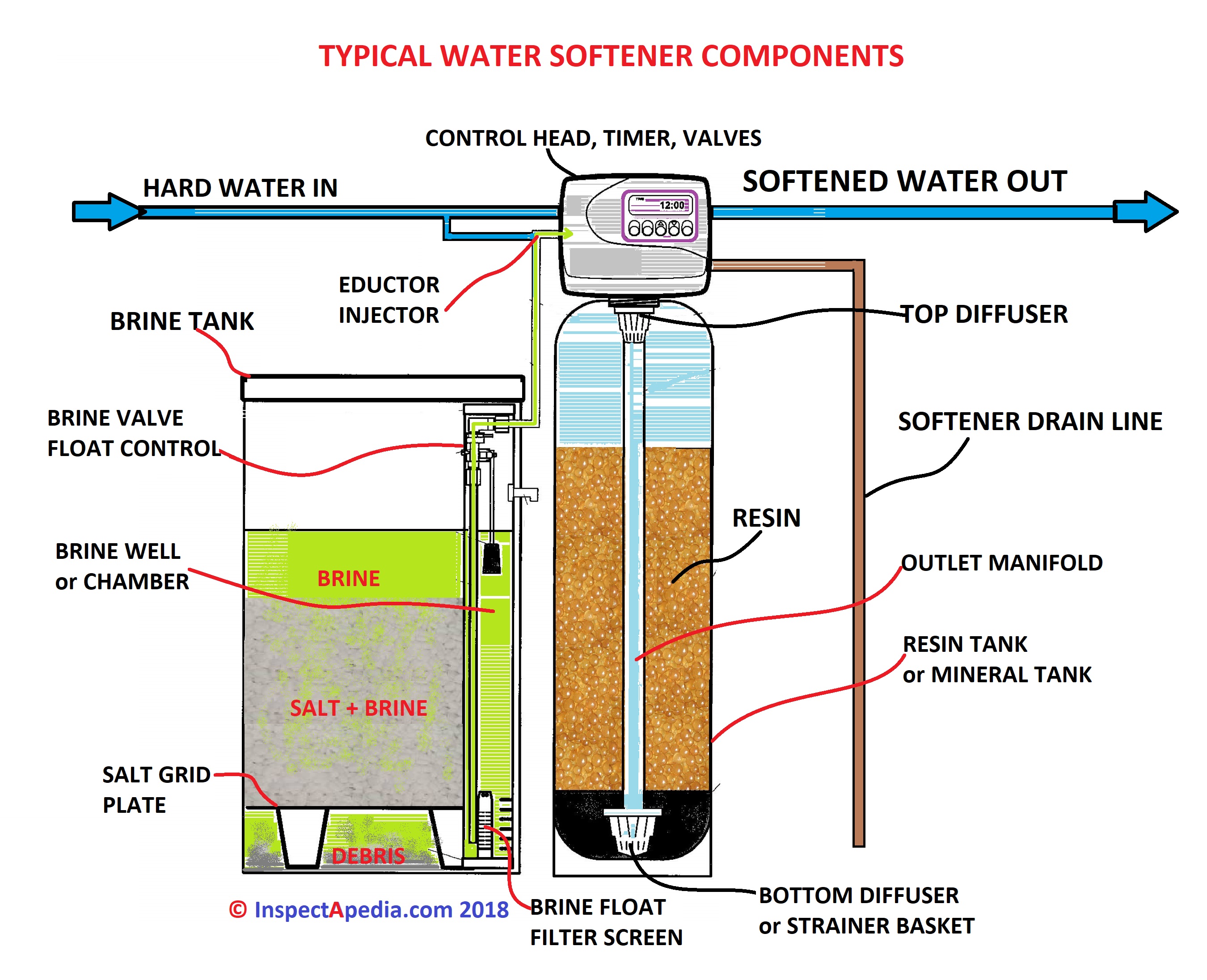
Checking and replacing injector parts is key when a water softener won’t draw brine. The injector controls the flow of brine into the system. Dirt or damage can block this flow, causing softener problems. Regular checks keep the system working well and prevent costly repairs.
Inspecting The Injector
Start by turning off the water softener. Remove the injector cap carefully. Look inside for dirt, salt buildup, or cracks. Use a flashlight to see clearly. Check the small nozzle and screen. Any clog or damage can stop brine from drawing. Note any worn or broken parts for replacement.
Cleaning Or Replacing Components
Clean the injector parts with warm water and a soft brush. Avoid harsh chemicals that may damage the parts. If dirt stays stuck, soak parts in vinegar for a few minutes. Rinse well before putting them back. Replace the injector or screen if cracked or worn out. Reassemble the injector carefully and test the softener’s brine draw again.
Credit: inspectapedia.com
Maintaining The Venturi Valve
The venturi valve is a small but important part of your water softener. It controls the brine flow, which helps clean the resin beads inside the tank. If the valve clogs or breaks, the softener won’t draw brine properly. Regular maintenance keeps it working well and prevents problems with water softening.
Removing And Cleaning The Valve
Turn off the water supply before you start. Find the venturi valve on the brine line. Gently remove it by unscrewing or pulling it out. Check for dirt, salt, or debris inside the valve. Use warm water and a soft brush to clean all parts. Avoid using harsh chemicals that might damage the valve. Rinse well and dry before putting it back.
Ensuring Proper Assembly
Look closely at the valve parts before reassembling. Make sure the small screen and the valve body fit correctly. Put the pieces back in the right order. Tighten screws or fittings firmly but do not overtighten. Check for cracks or damage on the valve parts. Replace any broken components to keep the valve working well.
Adjusting Water Pressure
Adjusting water pressure is key to fixing a water softener that won’t draw brine. Proper pressure helps the system work smoothly and clean the resin beads inside the tank. Too low or too high pressure can stop the brine from flowing, causing poor softening performance.
Checking and fixing pressure issues is a simple task. It helps the water softener regenerate fully and keep your water soft. Follow these steps to measure and correct pressure problems easily.
Measuring Pressure Levels
Start by finding a water pressure gauge. Attach it to an outdoor faucet or the main water line. Turn on the water and note the reading on the gauge. Normal pressure ranges from 40 to 60 psi.
Pressure below 40 psi is too low for a water softener. Above 80 psi can damage the system. Record the pressure to know if adjustments are needed.
Correcting Low Pressure Issues
Low pressure can come from clogged pipes or a faulty pressure regulator. Check pipes for leaks or blockages and clear any debris. Replace or adjust the pressure regulator if it limits flow.
Sometimes, the water supply itself has low pressure. Installing a booster pump can increase pressure for proper brine draw. Keep pipes clean and valves fully open to maintain steady flow.
Preventative Tips For Brine Draw Problems
Brine draw problems in water softeners can cause poor water quality. Preventing these issues saves time and money. Simple steps keep your system working well and avoid costly repairs.
Focus on care routines and choosing the right materials. Watch the system’s operation closely. These small actions help maintain your softener’s efficiency.
Regular Maintenance Schedule
Set a fixed time for cleaning and checking your water softener. Inspect parts like the brine tank and valves for dirt or damage. Clean salt bridges or clogs to keep brine flowing smoothly. Regular checks prevent blockages and system failures.
Using High-quality Salt
Select salt designed for water softeners. Avoid cheap salt with many impurities. High-quality salt dissolves easily and forms good brine. This improves salt use and prevents buildup inside the tank. Use salt pellets or crystals that match your softener’s needs.
Monitoring System Performance
Watch your water softener’s cycle and water hardness levels. Check if the system draws brine at the right times. Notice changes in water taste or feel. Use simple test kits to measure hardness regularly. Early signs help catch problems before they get worse.
Frequently Asked Questions
Why Won’t My Water Softener Draw Brine?
A water softener may not draw brine due to clogs, valve issues, or low salt levels. Check for blockages in the brine line and ensure the salt tank has enough salt for proper regeneration.
How Do I Fix A Clogged Brine Line?
To fix a clogged brine line, disconnect it and flush with water. Use a thin wire or brush to clear salt buildup carefully. Regular maintenance prevents future clogs and ensures smooth brine flow.
Can Low Salt Cause No Brine Draw?
Yes, low salt in the brine tank can stop brine from drawing. Without enough salt, the regeneration process fails. Always maintain a proper salt level to keep the water softener functioning effectively.
What Valve Problems Affect Brine Drawing?
Valve issues like a stuck or broken valve can prevent brine from drawing. Inspect the control valve for damage or misalignment. Repair or replace faulty valves to restore normal softener operation.
Conclusion
A water softener that won’t draw brine needs attention. Check the valve, timer, and salt levels first. Clean the brine tank to avoid blockages. Regular maintenance keeps your system working well. Small fixes often solve the problem quickly. Don’t ignore signs of trouble with your softener.
Good water quality depends on a properly working system. Stay proactive to enjoy soft, clean water every day.