
Choosing the right water softener size for your family of 2 can feel confusing. You want clean, soft water without wasting money on a system that’s too big or too small.
Getting it just right means better tasting water, fewer stains, and longer-lasting appliances. You’ll discover exactly what size water softener fits your needs and how to pick one that works perfectly for your home. Keep reading to make sure you don’t settle for less than the best for you and your family.

Credit: www.softprowatersystems.com
Water Softener Basics
Understanding the basics of water softeners helps choose the right size for a family of two. Water softeners remove hard minerals from water. Hard water contains calcium and magnesium. These minerals cause problems in homes. Softening water improves its quality and protects plumbing.
Choosing the correct size depends on how water softeners work and their benefits. These basics guide you to pick the best softener for your needs.
How Water Softeners Work
Water softeners use a process called ion exchange. Hard water passes through a tank filled with resin beads. These beads attract calcium and magnesium ions. The beads release sodium or potassium ions instead. This exchange removes hardness from water. Softened water flows through your pipes without causing damage.
Benefits Of Soft Water
Soft water protects pipes and appliances from scale buildup. It helps soap and detergents work better. Clothes and dishes come out cleaner with less detergent. Skin feels smoother after showering with soft water. Water heaters last longer and use less energy. Soft water reduces stains on sinks and tubs. It saves money on cleaning and repairs over time.
Calculating Water Usage
Calculating water usage is the first step in choosing the right water softener size. Knowing how much water your family uses helps find the best fit. It also ensures the softener works efficiently and lasts longer.
Average Daily Water Consumption
On average, a person uses about 80 to 100 gallons of water each day. For a family of two, this means roughly 160 to 200 gallons daily. This number can vary depending on lifestyle and habits. Tracking water use for a few days gives a clearer picture. Consider drinking, cooking, cleaning, and bathing in your total.
Impact Of Household Appliances
Household appliances like dishwashers and washing machines use a lot of water. A washing machine may use 15 to 40 gallons per load. Dishwashers usually use 4 to 6 gallons per cycle. These appliances increase daily water usage significantly. Knowing their use frequency helps adjust the water softener size.
Measuring Water Hardness
Measuring water hardness is key to choosing the right water softener size. Hard water contains minerals like calcium and magnesium. These minerals affect water quality and appliance lifespan. Understanding hardness helps pick a system that works well for a family of two.
Testing water hardness gives clear data on mineral levels. This helps avoid buying an oversized or undersized softener. Accurate measurement saves money and improves water use.
Testing Methods
Several ways exist to test water hardness. Test kits are common and easy to use at home. They usually include test strips that change color. Dip the strip in water, then compare the color to a chart. This shows the hardness level in parts per million (ppm) or grains per gallon (gpg).
Another option is sending a water sample to a lab. Labs provide precise results and detailed reports. Some local water suppliers also offer free testing. Choose a method that fits your budget and needs.
Interpreting Hardness Levels
Water hardness levels fall into categories. Soft water has 0-60 ppm or 0-3.5 gpg of minerals. Moderate hardness ranges from 61-120 ppm or 3.5-7 gpg. Hard water is between 121-180 ppm or 7-10.5 gpg. Very hard water exceeds 180 ppm or 10.5 gpg.
For a family of two, knowing this helps pick the right softener capacity. Higher hardness means a larger system to handle mineral removal. Lower hardness allows smaller, more affordable softeners.
Choosing The Right Capacity
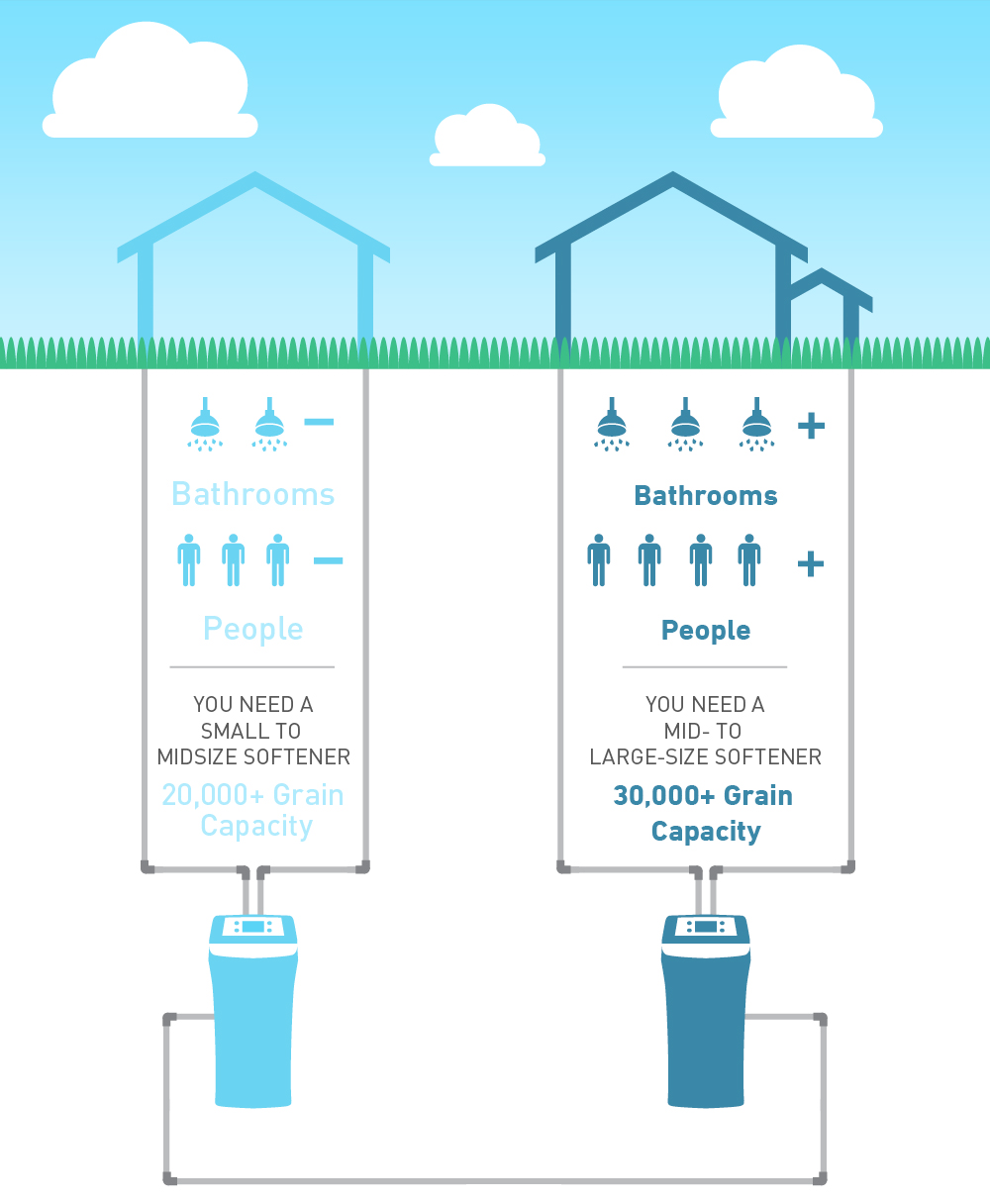
Picking the right water softener size is key for a family of two. Too small, and your system will work too hard. Too large, and you waste money and space. The goal is a balanced system that cleans your water efficiently.
Knowing the right capacity helps you avoid frequent salt refills. It also ensures soft water for all daily uses. Understanding how capacity works makes the choice easier and smarter.
Grain Capacity Explained
Grain capacity shows how much hardness a softener can remove. It is measured in grains per gallon (GPG). One grain equals one part per million of hardness.
A typical water softener removes 30,000 to 40,000 grains. This means it can soften that many grains before needing a recharge. The higher the grain capacity, the longer the softener lasts before regeneration.
Matching Capacity To Family Size
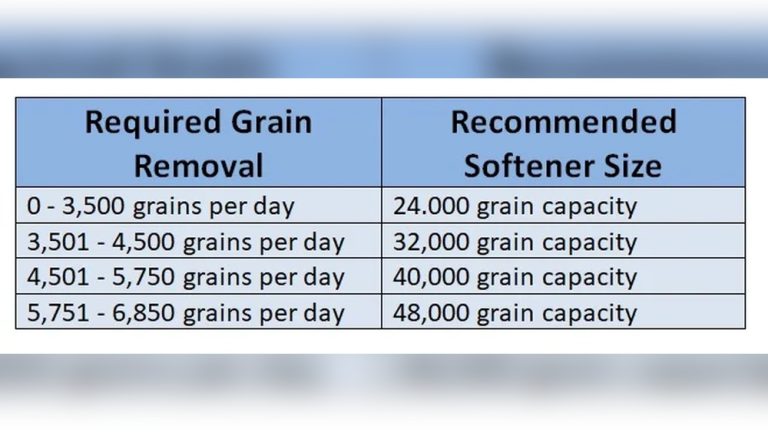
A family of two uses about 60 gallons of water daily each. This totals roughly 120 gallons per day for two people. Softener capacity should match this daily water use and hardness level.
Test your water hardness to find the grains per gallon. Multiply daily gallons by grains per gallon to get daily grain removal. Choose a softener with capacity that fits or slightly exceeds this number.
For most two-person households, a 24,000 to 32,000 grain softener is ideal. It balances cost and performance for everyday use. Proper sizing keeps your water soft without extra cost or work.
Types Of Water Softeners
Choosing the right water softener starts with understanding the different types available. Each type works differently to treat hard water. Knowing these options helps decide what fits best for a family of two. This section covers three main types of water softeners.
Salt-based Softener Options
Salt-based softeners remove minerals that cause hard water. They use a process called ion exchange. Hard minerals like calcium and magnesium swap places with salt ions. This softens the water effectively. These systems need regular salt refills. They work well for households with moderate to high hardness levels. Salt-based softeners improve water taste and protect pipes from scale buildup.
Salt-free Alternatives
Salt-free softeners do not use salt or chemicals. They change hard minerals to stop them from sticking to surfaces. This process is called template-assisted crystallization. It does not remove hardness but prevents scale. Salt-free options need less maintenance. They keep minerals in the water but reduce damage. These systems are eco-friendly and good for small families. Salt-free softeners do not increase sodium in water.
Magnetic And Electronic Softeners
Magnetic and electronic softeners use magnets or electric fields. They alter the behavior of hard minerals. These systems aim to reduce scale formation. They are easy to install and use no salt. Results can vary depending on water quality. These softeners need low maintenance. They are quiet and energy-efficient. Magnetic and electronic types suit households wanting a simple solution.
Installation And Maintenance
Installing and maintaining a water softener for a family of two is important for smooth operation. Proper setup ensures the softener works well and lasts longer. Regular care keeps water quality high and prevents damage.
Space And Placement Considerations
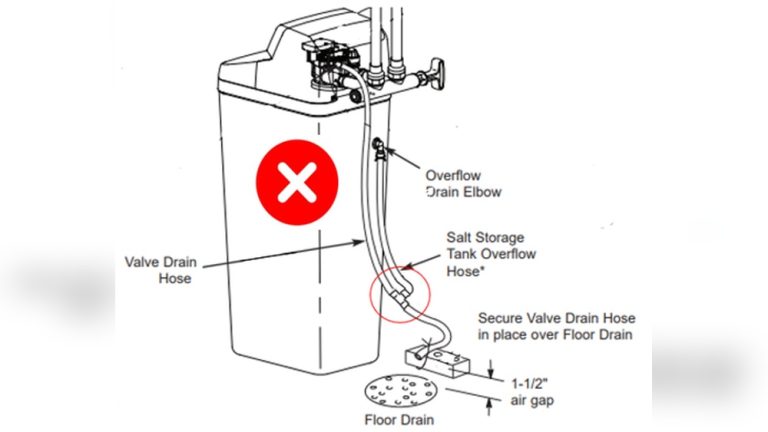
Choose a dry, cool spot near your main water line. The area should have enough room to access the unit. Avoid tight corners or damp places. Keep the softener away from direct sunlight and heat sources. Ensure easy access to the salt tank for refilling. Proper placement helps with efficient installation and service.
Routine Care Tips
Check salt levels in the brine tank often. Refill with the right salt type to avoid clogging. Clean the tank once a year to remove buildup. Inspect the system for leaks or unusual noises. Follow manufacturer guidelines for system regeneration. Regular care keeps the softener running smoothly and extends its life.
Cost Factors
Choosing the right water softener size for a family of two depends on several cost factors. These costs include the price you pay upfront and the ongoing expenses to keep the system running. Understanding these costs helps you plan your budget better.
Initial Investment
The initial investment covers buying and installing the water softener. Small systems for two people usually cost less than larger units. Prices vary based on brand, capacity, and features. Installation fees depend on your home’s plumbing and local labor rates. Some units come with extra parts that increase the price. Checking for warranty and support options is important too.
Ongoing Operating Expenses
Operating costs include salt, water, and electricity usage. Salt is needed to recharge the softener’s resin. Families of two use less salt than larger households. Electricity costs remain low since softeners use small motors. Water is used during the regeneration cycle, adding to your bill slightly. Maintenance, like cleaning and part replacement, can add to costs over time.
Credit: homewater101.com
Common Mistakes To Avoid
Choosing the right water softener size for a family of two can be tricky. Many make simple mistakes that cost money or cause poor water quality. Avoiding these common errors helps you get the best system for your needs. Learn what to watch out for before buying.
Overestimating Needs
Many people think bigger is always better. A large water softener might seem like a safe choice. But it wastes salt and water. Oversized units use more energy and cost more upfront. A small family rarely needs a high-capacity system. Choose a size based on daily water use, not guesswork.
Ignoring Water Quality Tests
Water hardness varies widely by location. Skipping a water test leads to wrong system size. Too soft water means wasted resources. Not soft enough leaves hard water problems. Test your water for hardness and minerals. Use the results to pick the correct softener size. This step saves money and ensures better water quality.
Top Models For Small Families
Choosing the right water softener size matters for a family of two. Small families do not need large systems. Compact models save space and reduce salt use. Quality and efficiency remain important. The market offers many good options designed for smaller households.
This section highlights top models for small families. Each choice balances cost, performance, and size. Find options that fit budgets and preferences. Good water softeners improve water quality and protect pipes and appliances.
Best Budget Picks
Budget-friendly models work well for two people. They use less salt and water. These systems often have smaller tanks and lower capacity. They still remove hardness effectively. Look for units with simple controls and reliable brands.
Examples include compact single-tank softeners. They handle daily water use up to 30,000 grains. These models cost less upfront and save on maintenance. Ideal for apartments or small homes.
Premium Options
Premium water softeners offer advanced features. They include smart controls and higher efficiency. These models use less salt and water per cycle. They adjust regeneration based on actual water use.
Some premium units have compact designs perfect for small spaces. They last longer and require less upkeep. These softeners deliver softer water consistently. A good choice for families wanting the best quality and convenience.

Credit: www.watersmartsystems.com
Conclusion
Choosing the right water softener size matters for a family of two. A smaller unit usually works well and saves space. It handles daily water use without wasting salt or water. Proper sizing helps protect your pipes and appliances. Soft water feels better and reduces soap use.
Think about your water hardness and usage before buying. This way, you get the best value and comfort. A good fit means soft water always, without extra cost or effort. Simple and smart.