
Have you ever wondered what happens if your water softener is set too high? It might seem like a small mistake, but this simple setting can affect your entire home.
From your skin and hair to your appliances and water bills, the impact can be surprising. Understanding these effects can save you money, protect your health, and keep your household running smoothly. Keep reading to discover why the right water softener setting matters—and what you should do if yours is turned up too much.
Credit: teamaustin.com
Effects On Water Quality
Setting a water softener too high affects water quality in many ways. The water may feel different and even cause problems in daily use. Understanding these effects helps keep water safe and pleasant.
Excessive Softening Impact
Too much softening removes not only hardness but also important minerals. Water becomes very soft and can feel slippery. This can damage pipes and appliances over time. Soft water may also cause soap to lather too much, leaving a film on skin and dishes.
Taste And Odor Changes
Over-softened water often tastes flat or dull. The natural mineral flavors disappear. Sometimes, water can develop a strange smell due to chemical changes. These taste and odor shifts make water less enjoyable to drink or cook with.
Health Considerations
Water with too low mineral content may lack essential nutrients. Calcium and magnesium are important for health but can be lost. Drinking overly softened water for long periods might affect bone and heart health. It is better to keep water balanced for safety.
Damage To Plumbing And Appliances
Setting a water softener too high can harm your plumbing and appliances. The excess salt or minerals in the water may cause several problems. These issues can lead to costly repairs or replacements. Understanding these risks helps protect your home’s water system.
Corrosion Risks
Too much salt in softened water can cause metal pipes to corrode faster. Corrosion weakens pipes and can cause leaks. This damage affects both copper and steel plumbing. Over time, corrosion may lead to pipe bursts and water damage.
Increased Wear And Tear
Excess salt in water can wear out appliances faster. Water heaters, dishwashers, and washing machines face higher stress. Salt buildup can clog parts and reduce efficiency. This wear causes appliances to work harder and fail sooner.
Shortened Appliance Lifespan
Appliances exposed to overly softened water do not last long. Salt causes corrosion inside water heaters and pipes. Moving parts may seize or break due to mineral deposits. Replacing appliances more often increases household costs.
Increased Salt And Water Usage
Setting a water softener too high can cause more salt and water to be used than needed. This raises costs and affects the environment. Knowing how salt and water use increase helps you avoid waste and extra bills.
Higher Salt Consumption
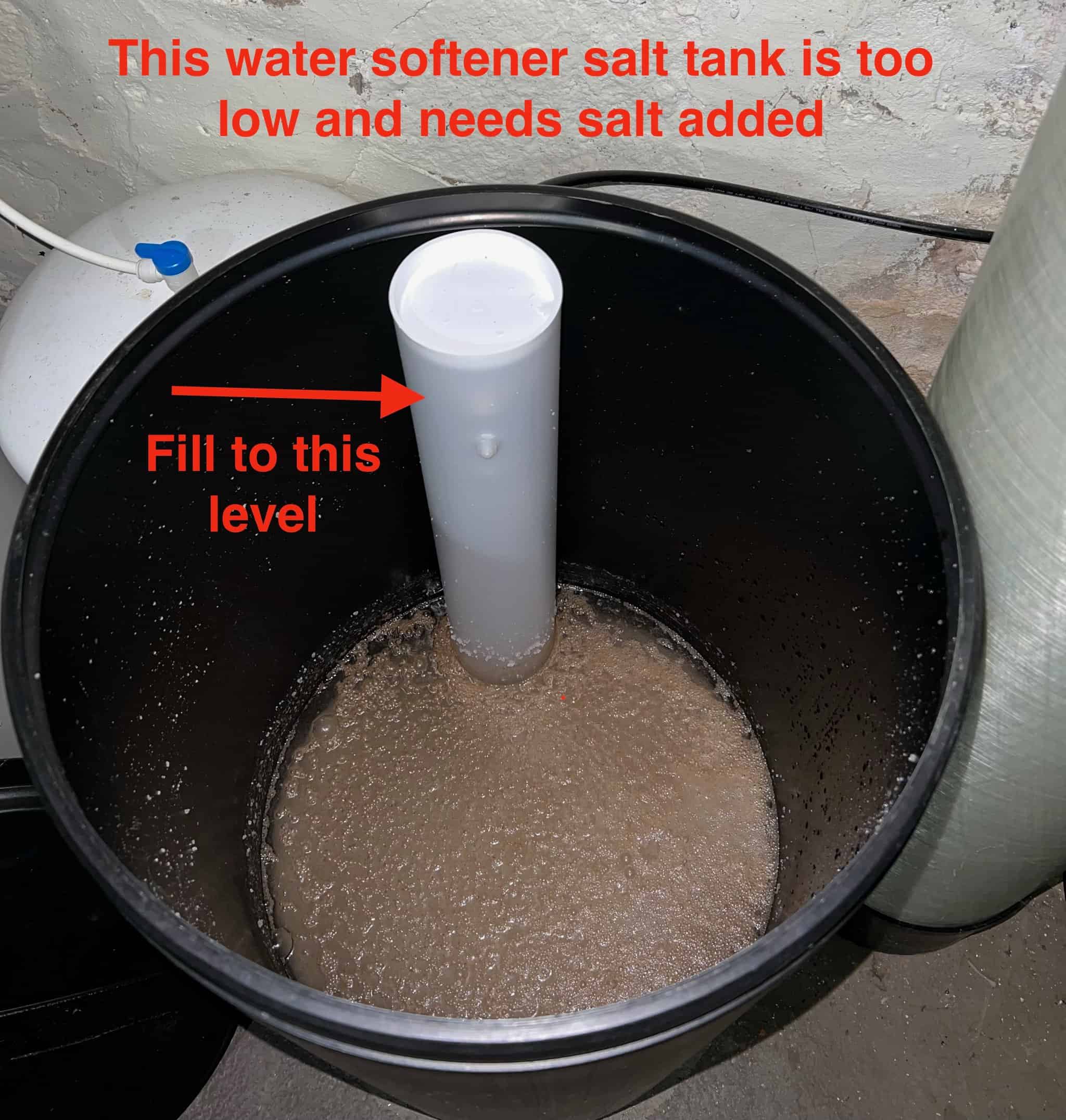
When the softener is set too strong, it uses more salt for each cycle. The system removes hardness with salt, but too much salt is wasted. This means buying salt more often and higher expenses. Over time, salt use can double or triple.
Water Waste Concerns
The softener cleans itself by using water to flush out minerals. With high settings, the flushing happens more often. This leads to a lot of water being wasted. Wasting water raises your utility bills and puts pressure on local water supplies.
Environmental Impact
Excess salt and water use harms the environment. Salt can damage soil and plants when it enters groundwater. More water use means more energy to pump and treat it. This increases pollution and harms wildlife habitats near water sources.

Credit: www.reddit.com
Signs Your Softener Is Set Too High
Setting your water softener too high causes clear signs. These signs show your system uses too much salt or adds too much softness to water. Watch for changes in soap use, skin feel, and water testing results. They help spot softener problems early.
Soap Scum And Residue
Too much softening creates soap scum on tubs and sinks. Soap may not rinse off well. You see a filmy or sticky layer after washing. Clothes may feel slimy or look dull. This happens because soft water reacts with soap differently.
Skin And Hair Effects
Skin may feel dry or itchy after showers. Hair can become limp or oily fast. Soft water set too high removes too many minerals. This leaves skin and hair without needed natural oils. You might notice more irritation or dryness than before.
Water Hardness Testing
Testing water hardness shows if the softener is too strong. Hardness levels below 1 grain per gallon mean over-softening. A simple test kit from stores can check this. Testing helps adjust the softener to the right level. This saves salt and protects plumbing.
Adjusting Water Softener Settings
Setting your water softener correctly is important for soft water and appliance care. Too high a setting wastes salt and water. It can also leave softener residue on dishes and clothes.
Adjusting the settings helps balance water softness and system efficiency. Small changes can improve water quality and save money.
Recommended Softening Levels
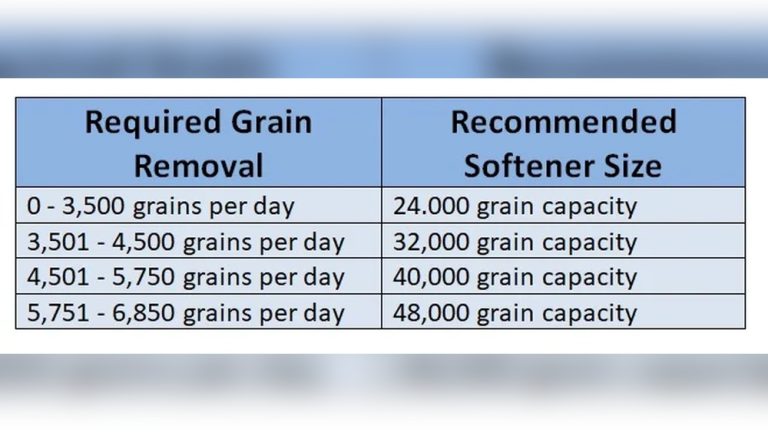
Water hardness is measured in grains per gallon (gpg). Most homes need a setting between 5 and 10 gpg. Check your local water report to find your water’s hardness.
Set your softener slightly above this number. This ensures the system removes enough hardness without overusing salt.
Calibrating Your System
Locate your softener’s control panel. Use the manual to find the setting options. Adjust the hardness level to match your water’s hardness.
After changing settings, monitor water softness for a few days. Recheck and tweak if water feels too hard or too soft.
Professional Help Options
Some water softeners are hard to adjust. Professionals know how to set and test your system properly.
They can check for system problems and ensure efficient operation. Hiring an expert saves time and prevents damage.

Credit: nelsonwater.com
Conclusion
Setting your water softener too high wastes salt and water. It can cause soft water to taste odd and feel slippery. Pipes and appliances might build up with excess salt. This can lead to damage and higher bills. Adjust the settings carefully for the best balance.
Proper care helps your system work well for years. Keep an eye on water quality and salt use. Small changes make a big difference in your home.