
If you own a Kinetico water softener, understanding how to adjust its valve settings can make a big difference in your water quality and system efficiency. You might have noticed hard water stains or felt the effects of tough minerals on your skin and appliances.
The good news is, with the right valve settings, you can fix these issues quickly and keep your water softener running smoothly. You’ll learn exactly how to set up and fine-tune your Kinetico water softener valve, so you get the best results without any guesswork.
Keep reading to unlock the secret to softer water and a happier home.
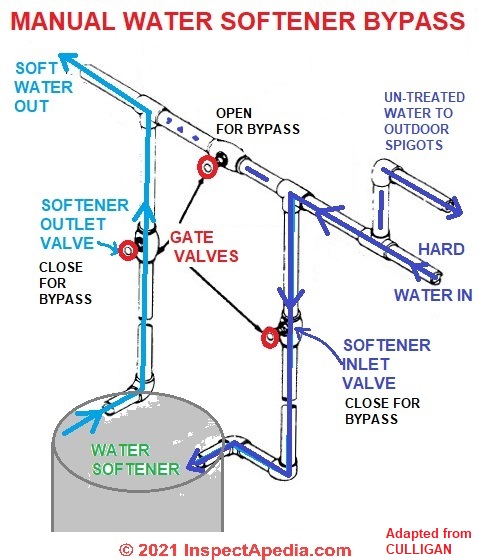
Credit: inspectapedia.com
Kinetico Water Softener Basics
The Kinetico water softener is a popular choice for many homes. It helps reduce hard water problems. Hard water can cause stains, dry skin, and damage to appliances. Understanding the basics of Kinetico water softeners is important. This knowledge helps you get the best performance from your system. The heart of the system is the valve. It controls how water flows and regenerates the softener.
How The Valve Works
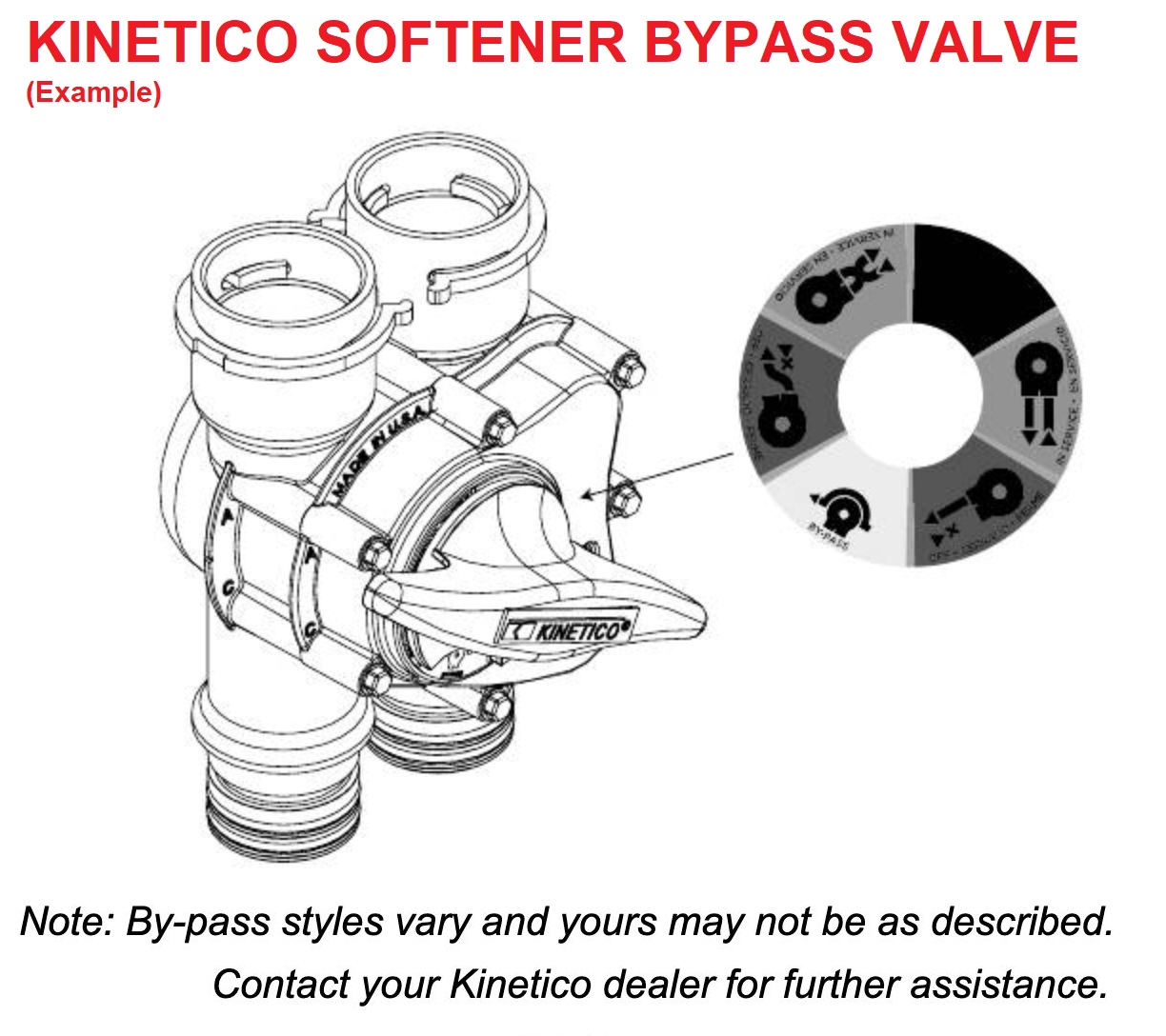
The valve in a Kinetico water softener controls the flow of water. It moves water through the resin tank to remove minerals. The valve also manages the regeneration cycle. This cycle cleans the resin beads and restores their softening power. The valve operates without electricity, using water pressure. It switches between softening and regeneration automatically. This process keeps your water soft all the time.
Key Components To Know
The valve has several important parts. The rotor moves to direct water in different paths. The seals prevent leaks and keep water flowing properly. The control cams tell the valve when to switch modes. There is also a meter that tracks water use. This meter helps the system know when to regenerate. Each part works together to keep your water soft and clean.
Credit: inspectapedia.com
Setting The Regeneration Cycle
Setting the regeneration cycle on your Kinetico water softener valve is key for smooth operation. This cycle cleans the resin beads inside the softener. It removes hard minerals that build up over time. Proper settings save water and salt. They keep your water soft and appliances safe.
Choosing The Right Frequency
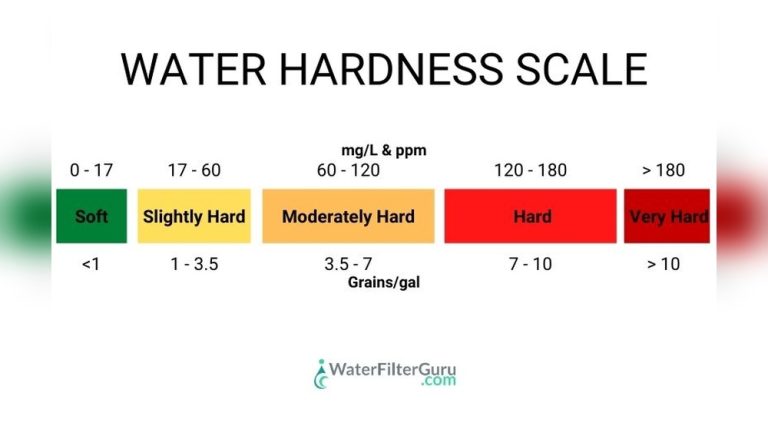
Set the regeneration cycle based on how hard your water is. Harder water needs more frequent cleaning. Most homes set it between 2 to 5 days. Too often wastes salt and water. Too rare can leave hard minerals in your water. Check your water hardness level before setting the cycle.
Adjusting Based On Water Usage
Water use changes the softener’s needs. If your family uses more water, increase the cycle frequency. Use less water? Set the cycle further apart. Some Kinetico models adjust automatically. Others need manual changes. Watch your water use and adjust settings to save resources and keep water soft.
Programming Water Hardness Levels
Setting the right water hardness level is key for your Kinetico water softener. It helps the system work well and last longer. You need to tell the softener how hard your water is. This lets the valve adjust properly. The process is simple but important. It starts with testing your water and ends with entering the correct data into the system.
Testing Your Water Hardness
Begin by testing your water hardness. Use a water test kit or send a sample to a lab. These tests measure minerals like calcium and magnesium. The result shows how hard your water is. Hardness is usually measured in grains per gallon (gpg) or parts per million (ppm). Knowing this number is the first step to programming your softener.
Inputting Accurate Hardness Data
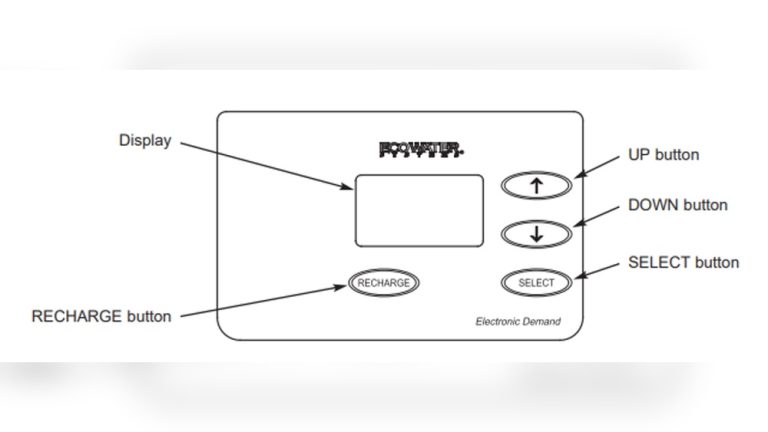
Next, input the hardness number into the Kinetico valve settings. Follow the instructions in the user manual. Enter the exact number to ensure correct softening cycles. Avoid guessing or using estimates. Accurate data helps save salt and water. It also keeps your appliances safe from scale buildup. Double-check your entries before saving the settings.
Fine-tuning Salt Dosage
Fine-tuning the salt dosage in your Kinetico water softener valve settings helps improve system performance. It controls how much salt the system uses during regeneration. Adjusting this setting saves salt and ensures soft water quality. Small changes can make a big difference in efficiency and cost. Understanding how to balance salt use is key for every household.
Balancing Efficiency And Salt Use
Set the salt dosage to match your water hardness and usage. Using too much salt wastes resources and increases bills. Using too little salt can cause hard water buildup. Find a middle ground that cleans the resin beads without excess salt. Regular testing of water hardness after softening helps determine the right amount. Adjust settings slowly and monitor results for best efficiency.
Signs Salt Settings Need Adjustment
Watch for changes in water quality and system behavior. Hard water spots on dishes and fixtures mean low salt dosage. A salty taste or residue in water suggests too high salt use. Frequent regenerations or salt bridging in the tank also signal problems. If you see these signs, check and tweak the salt dosage. Proper adjustment keeps your water soft and the system running smooth.
Adjusting Backwash And Brine Draw
Adjusting the backwash and brine draw settings on your Kinetico water softener valve is key. These settings control how well your system cleans itself and stays efficient. Proper adjustments keep your water softener running smoothly and extend its life. Understanding each setting helps avoid common problems like salt waste or poor water quality.
Optimizing Backwash Time
Backwash removes dirt and debris from the resin tank. Set the backwash time long enough to clean the resin fully. Too short backwash time leaves dirt behind. Too long wastes water and energy. Start with the manufacturer’s recommended time. Watch the water clarity after backwash. Adjust the time in small steps if needed. Clean water means the resin is ready to soften water again.
Setting Brine Draw Duration
The brine draw pulls saltwater into the resin tank. This process recharges the resin beads. Set the brine draw time based on your water hardness and salt type. Shorter times save salt but may not clean resin well. Longer times use more salt and water. Begin with the factory setting. Check if the water feels soft after regeneration. Adjust the brine draw time carefully for best results.
Troubleshooting Common Valve Issues
Troubleshooting common valve issues in your Kinetico water softener helps keep your system working well. Problems with the valve can affect water quality and flow. Knowing how to spot and fix these issues saves time and money.
Valve Not Regenerating Properly
The valve controls the regeneration cycle, which cleans the system. If it does not regenerate properly, water may stay hard. Check the timer settings to ensure the cycle starts at the right time. Look for blockages in the valve that may stop water flow. Sometimes, dirt or debris can clog the valve parts. Clean or replace worn seals to prevent leaks during regeneration.
Leaks And Pressure Problems
Leaks around the valve reduce water pressure and waste water. Inspect the valve for cracks or loose connections. Tighten fittings gently but firmly to stop leaks. Low water pressure can result from clogged valve screens. Remove and clean screens regularly to maintain flow. If pressure stays low, the valve may need professional repair or replacement.
Maintenance Tips For Valve Longevity
Proper care of your Kinetico water softener valve keeps it working longer. Simple maintenance helps avoid costly repairs. Follow easy steps to keep the valve clean and in good shape.
Regular Cleaning Steps
Start by turning off the water supply to the valve. Remove the valve cover carefully. Wipe the valve parts with a soft cloth to remove dirt. Use mild soap and water for stubborn grime. Avoid harsh chemicals that can damage the valve. Rinse all parts thoroughly before reassembling. Clean the valve every few months to prevent buildup. This routine helps the valve operate smoothly.
When To Replace Valve Parts
Check valve parts regularly for cracks or wear. Replace parts that look damaged or worn out. Listen for unusual sounds during valve operation. Leaks around the valve indicate a part may need changing. Replace seals and O-rings every year to keep tight seals. Use only Kinetico-approved parts for replacements. Timely part replacement prevents bigger problems and extends valve life.
Credit: www.youtube.com
Advanced Settings For Peak Performance
Advanced settings on your Kinetico water softener valve help reach the best performance. These settings let you adjust the system to fit your home’s specific needs. Proper tuning improves water quality and extends the life of your softener. It also ensures efficient use of salt and water during regeneration.
Understanding these options allows you to get the most from your water softener. Small changes in settings can make a big difference in how well your system works daily.
Customizing For Different Water Conditions
Water hardness varies by location. Adjusting your valve settings to match local water hardness improves softening results. You can set the hardness level manually or use test results to guide you. This helps the system know how often to regenerate and how much salt to use.
Other factors like iron content or sediment affect the settings too. For example, high iron may need longer regeneration cycles. Tailoring settings prevents waste and keeps water soft and clear.
Using Diagnostic Tools
Kinetico water softeners come with diagnostic tools to check system health. These tools track performance and alert you to issues. They measure flow rates, salt usage, and regeneration times. This data helps fine-tune valve settings for better efficiency.
Diagnostics also help identify leaks or mechanical problems early. Regular monitoring keeps your system running smoothly and reduces repair costs.
Frequently Asked Questions
What Are Kinetico Water Softener Valve Settings?
Kinetico valve settings control water flow and regeneration cycles. Proper settings ensure efficient softening and extend system life. Adjust settings based on water hardness and usage. Consult the manual for specific valve adjustments. Correct settings improve water quality and system performance.
How Do I Adjust Kinetico Valve Settings?
To adjust Kinetico valve settings, locate the control valve. Use the manual to identify correct positions. Turn the valve handle gently to the desired setting. Always reset after maintenance or regeneration. Proper adjustment optimizes water softening and prevents damage.
Why Is Valve Setting Important In Kinetico Softeners?
Valve settings regulate water flow and regeneration timing. Incorrect settings cause poor softening or system malfunction. Proper settings maximize efficiency and salt usage. They ensure consistent water quality throughout the home. Regular checks prevent issues and maintain performance.
When Should I Reset Kinetico Water Softener Valve?
Reset the valve after installation, maintenance, or power outages. Also reset if water hardness increases or system shows errors. Resetting recalibrates the system to current water conditions. It helps maintain optimal softening and prevents damage. Follow the manual for exact reset procedures.
Conclusion
Setting the Kinetico water softener valve correctly keeps water soft and clean. It controls how often the system cleans itself. Proper settings save water and salt, which helps the environment. Check the valve instructions for your model to adjust it right.
Small changes can improve your water quality a lot. Keep an eye on your system to make sure it runs well. Good valve settings mean soft water for your whole home. Simple steps lead to better water every day.