
Are you struggling with hard water problems in your home? Understanding the right water softener GPG setting can make all the difference.
Setting your water softener correctly not only protects your appliances but also improves the taste and feel of your water. You’ll discover how to find the perfect GPG setting for your needs and why it matters. Keep reading to unlock simple steps that will save you time, money, and frustration.
Your water quality is about to get a serious upgrade!
What Is Gpg In Water Softening
Understanding GPG is key to using a water softener correctly. GPG stands for grains per gallon. It measures water hardness levels.
Water hardness means how many minerals are in the water. These minerals are mainly calcium and magnesium. High levels make water “hard.”
Hard water can cause problems. It may leave spots on dishes and clothes. Pipes can also get clogged over time.
What Does Gpg Measure?
GPG shows how many grains of minerals are in one gallon of water. One grain equals about 17 milligrams of minerals. The higher the GPG, the harder the water is.
Why Gpg Matters For Water Softeners
Water softeners need to know the GPG to work well. The machine uses this number to adjust how much salt to use. This helps remove minerals from water effectively.
How To Find Your Water’s Gpg
Testing kits can measure GPG at home. Some water companies also provide this data. Knowing your GPG helps set your water softener correctly.
Credit: brockmechanical.com
Why Adjust Gpg Settings Matters
Adjusting the GPG settings on a water softener is key to its performance. GPG stands for grains per gallon, a measure of water hardness. Correct settings help the softener work efficiently. It ensures the right amount of salt is used during regeneration. This saves salt and water, reducing costs and waste.
Incorrect GPG settings can cause problems. The softener might use too much salt or too little. Too much salt means wasting resources. Too little salt means hard water problems continue. Pipes may clog and appliances may wear out faster. Skin and hair can feel dry or itchy.
Understanding Water Hardness Levels
Each area has different water hardness levels. Knowing your water’s GPG helps set the softener correctly. Testing your water is simple and shows how hard it is. This data guides the right GPG setting on your device. Accurate settings protect your home and improve water quality.
Protecting Your Plumbing And Appliances
Hard water causes scale buildup in pipes and appliances. Scale lowers water flow and efficiency. Setting the GPG properly helps prevent scale. Softened water extends the life of your plumbing and devices. It keeps everything running smoothly and saves money on repairs.
Saving Salt And Reducing Waste
Salt is needed for water softener regeneration. Using the right GPG setting controls salt use. It prevents overuse, which can harm the environment. Proper settings reduce salt waste and lower bills. Efficient softeners are better for your wallet and nature.
Measuring Water Hardness Accurately
Measuring water hardness accurately is key to setting your water softener correctly. Hard water contains minerals like calcium and magnesium. These minerals cause scale buildup and reduce soap effectiveness. Knowing the exact hardness level helps choose the right softener settings. Accurate measurement saves money and protects appliances.
Using Test Kits
Test kits are an easy way to check water hardness at home. They usually include test strips or liquid reagents. Dip the strip into a water sample and wait for a color change. Match the color to the chart on the package. This method gives a quick estimate of hardness in grains per gallon (gpg). Keep test kits sealed and dry for best results.
Professional Water Testing
Professional water testing offers precise hardness measurements. Experts collect water samples and analyze them in labs. They test for various minerals and contaminants. This method provides detailed reports on water quality. Professional testing is useful for complex water sources or uncertain results. It helps ensure accurate water softener settings.
Interpreting Results
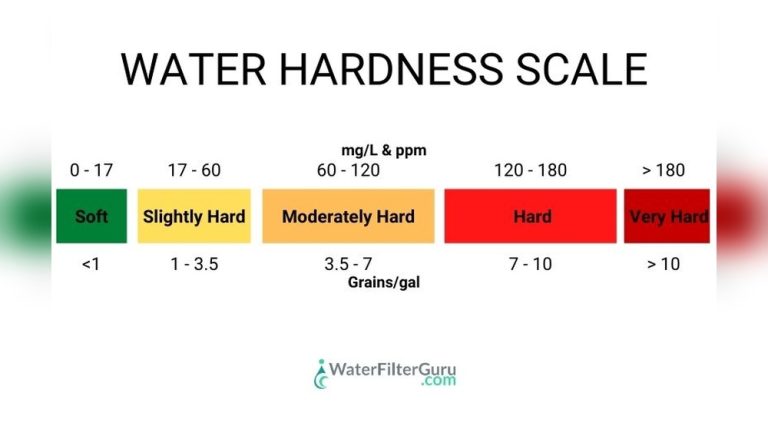
Water hardness results show how many grains of minerals are present per gallon. Soft water has 0-3.5 gpg, moderate hardness is 3.5-7 gpg, and hard water is above 7 gpg. Use these numbers to set your softener’s gpg setting. Too low a setting wastes salt and water. Too high leaves minerals in water. Accurate interpretation improves softener performance and water quality.

Credit: nelsonwater.com
Choosing The Right Gpg Setting
Choosing the right GPG setting on your water softener helps protect your home and appliances. It controls how much hardness the softener removes from your water. Setting it too low or too high can cause problems. The perfect setting depends on your water hardness and household needs.
Factors Affecting Ideal Hardness
Water hardness varies by location. Test your water to know its hardness level in GPG (grains per gallon). The hardness level affects how much the softener should work. Household size also matters. More people use more water, needing a different setting. Water use habits, like laundry and dishwashing, change the ideal level too.
Recommended Gpg Ranges
Soft water usually has a GPG between 0 and 1.5. Medium hardness water falls between 3 and 7 GPG. Hard water ranges from 7 to 10 GPG or more. For most homes, setting the softener to 7 GPG works well. This setting protects pipes and appliances without wasting salt. Check the manufacturer’s guide for the best range for your model.
Customizing For Household Needs
Adjust the GPG setting based on your water test results. If water is very hard, increase the setting for better softening. For softer water, lower the setting to save salt. Consider health needs; some prefer slightly harder water. Check how your skin and hair feel after softening. Adjust settings for laundry and cleaning preferences. Finding the right balance keeps water soft and saves resources.
How To Adjust Water Softener Gpg Settings
Adjusting the water softener GPG (grains per gallon) setting helps improve water quality. It ensures the softener removes the right amount of hardness. Setting the correct GPG value matches your water’s hardness level. This prevents issues like scale build-up or overly soft water. Follow clear steps to adjust your water softener easily.
Locating The Control Panel
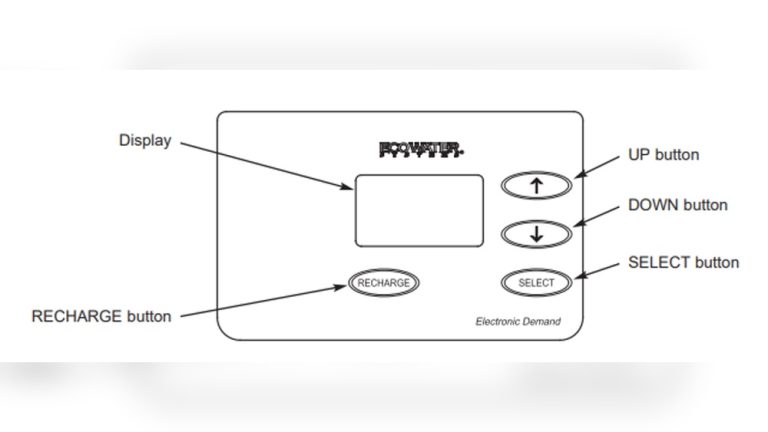
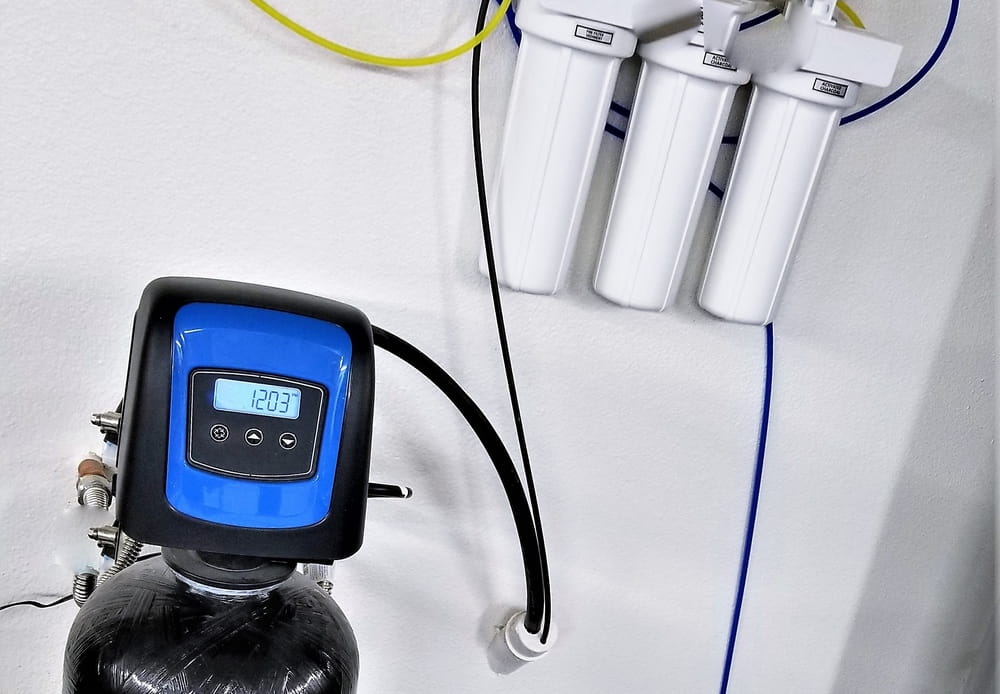
The control panel is usually on the top or front of the softener. Look for a small digital screen or dial. Some models have buttons labeled “set” or “adjust.” Check the user manual if you cannot find it. The panel controls all settings, including GPG adjustment.
Step-by-step Adjustment Process
Start by pressing the “set” or “menu” button. Use arrow keys to find the GPG or hardness setting. Enter the hardness level of your water, usually found from a test kit. Use numbers only; avoid symbols or letters. Confirm the setting by pressing “enter” or “save.” Wait for the system to update the changes.
Common Mistakes To Avoid
Do not guess your water hardness level. Use a test kit or local water report. Avoid setting the GPG too low; it causes scale build-up. Setting it too high wastes salt and water. Do not skip saving the new setting. Resetting the system accidentally erases your changes.

Credit: desertmountainwater.com
Troubleshooting Gpg Setting Issues
Setting the correct GPG (grains per gallon) on your water softener is key. Incorrect settings can cause poor water quality or damage to your system. Troubleshooting these issues helps keep your water soft and your softener working well. This guide covers common problems and how to fix them.
Signs Of Incorrect Settings
Hard water stains on dishes or fixtures show the setting may be wrong. Soap may not lather well, and skin can feel dry or itchy. You might notice more scale buildup in pipes or appliances. These signs suggest the GPG setting is too low or too high.
Re-calibrating Your Softener
Find your water hardness level from a test kit or local report. Adjust the GPG setting on your softener to match this number. Most softeners have a dial or digital control to change the setting. After adjusting, run a regeneration cycle to reset the system.
Check your water again after a few days. Repeat the adjustment if needed until the water feels soft and clean.
When To Call A Professional
Call a technician if your softener still does not work right. Strange noises, leaks, or error codes need expert help. A professional can test your water and fix complex issues. This saves time and prevents damage to your softener.
Maintaining Optimal Hardness Levels
Maintaining optimal hardness levels in your water softener system is key for its efficiency and longevity. Proper settings prevent scale build-up and protect your pipes and appliances. Keeping the hardness at the right level also improves water taste and skin health.
Water hardness varies by location and source. Regular checks ensure your system adapts to these changes. Adjusting the grains per gallon (gpg) setting helps the softener work correctly.
Regular Testing Schedule
Test your water hardness every 3 to 6 months. Use a simple test kit or send samples to a lab. Record the results to track changes over time. Testing helps you adjust the softener’s gpg setting accurately.
Cleaning And Servicing Tips
Clean your water softener regularly to prevent salt build-up. Check the brine tank and refill salt as needed. Inspect the resin beads for wear and replace if necessary. Servicing your softener keeps it running smoothly and extends its life.
Upgrading Your Softener System
Older systems may not handle changing water hardness well. Upgrade to newer models with digital controls for better precision. Modern softeners offer easier adjustment of gpg settings. Investing in an upgrade ensures consistent water quality and efficiency.
Frequently Asked Questions
What Is Gpg Setting In A Water Softener?
Gpg stands for grains per gallon, measuring water hardness. The water softener’s Gpg setting adjusts resin regeneration frequency. Correct Gpg ensures effective softening and prevents salt wastage. Setting it accurately protects plumbing and appliances from scale buildup.
How To Find Your Water’s Gpg Hardness Level?
Test your water using a hardness test kit or check your water report. Water suppliers often provide Gpg values in reports. Knowing Gpg helps set your softener correctly for efficient performance and longer system life.
Why Is Correct Gpg Setting Important For Softeners?
Proper Gpg setting ensures the softener removes minerals efficiently. It saves salt and water by regenerating only when needed. Incorrect settings cause poor softening or excessive regeneration, raising costs and equipment wear.
Can Incorrect Gpg Settings Damage My Water Softener?
Yes, wrong Gpg settings lead to over or under regeneration. Over regeneration wastes salt and water, while under regeneration causes scale buildup. Both conditions reduce softener efficiency and lifespan.
Conclusion
Setting the right GPG on your water softener matters a lot. It controls how hard or soft your water becomes. Too low or too high can cause problems. The right setting saves your pipes and appliances from damage. It also helps you use salt and water wisely.
Check your water hardness regularly to keep things balanced. A good GPG setting means better water quality every day. Simple steps lead to long-lasting benefits for your home. Keep your water softener working well with the right GPG.