
Is your water softener not regenerating like it used to? This can be frustrating because hard water problems start creeping back in—like spots on dishes, rough laundry, or dry skin.
If you’ve noticed your softener isn’t doing its job, you’re not alone. Understanding why this happens and how to fix it can save you time, money, and stress. Keep reading, and you’ll discover simple steps to get your water softener working smoothly again, so your home feels just right.
Common Causes Of Regeneration Failure
Water softeners need regular regeneration to work well. Regeneration cleans the resin beads inside the softener. These beads trap hard minerals like calcium and magnesium. When regeneration stops, the softener cannot remove these minerals. This causes hard water problems in your home.
Several common issues can cause regeneration failure. Knowing these problems helps you fix the softener quickly. Let’s explore the main causes of regeneration failure.
Salt Bridge Formation
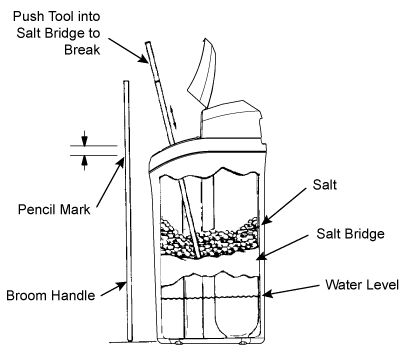
A salt bridge is a hard crust inside the brine tank. It forms when salt clumps together and creates a solid layer. This layer stops the salt from dissolving in water. Without dissolved salt, the softener cannot regenerate properly. Salt bridges often form in humid conditions or if the tank is overfilled.
Clogged Resin Bed
The resin bed holds tiny beads that trap minerals. Over time, dirt and debris can clog this bed. A clogged resin bed stops water from flowing through it. This blocks the regeneration process. Cleaning or replacing the resin may be necessary to fix this issue.
Timer Or Control Valve Issues
The timer and control valve manage the regeneration cycle. If these parts break or get stuck, regeneration stops. Incorrect timing means the softener won’t regenerate when needed. Checking and repairing these parts ensures the softener runs smoothly.
Low Salt Levels
Salt is essential for regeneration. Low salt levels mean the softener lacks enough brine to clean the resin. Regularly checking salt levels prevents this problem. Always keep the brine tank at least half full of salt.
Water Pressure Problems
Water pressure affects how the softener works. Low pressure can stop water from flowing through the system. This disrupts regeneration and softening. Check your home’s water pressure and fix any issues to keep the softener working.
Credit: www.mortonwatersofteners.com
Signs Your Softener Needs Regeneration
Knowing when your water softener needs regeneration helps keep your water clean and safe. Regeneration is the process that refreshes the softener’s resin beads. These beads trap hard minerals like calcium and magnesium. Over time, the beads get full and stop working well. Signs show when regeneration is overdue. Spotting these signs early prevents damage and saves money.
Hard Water Symptoms
Watch for white spots on dishes and glassware. Soap may not lather well. Your skin might feel dry or itchy after washing. Clothes can look dull and wear out faster. These signs mean hard minerals are still in your water. Your softener may need regeneration to remove them.
Salt Usage Patterns
Check the salt level in the brine tank. If salt drops quickly or never lowers, it may signal a problem. Salt not dissolving properly can block regeneration. Too little salt means the softener can’t recharge. Regularly monitor salt use to catch these issues early.
Water Taste And Smell Changes
Notice any changes in water taste or smell. A salty or metallic flavor can appear. Water may smell strange or different than usual. These changes suggest minerals are not being removed. Regeneration might be stuck or incomplete. Fresh regeneration usually fixes these problems.
Step-by-step Fixes For Regeneration Issues
Water softeners rely on a regeneration process to keep water soft. Problems with regeneration can cause hard water issues. Fixing these problems involves a few clear steps. These simple actions help your system work properly again. Follow these step-by-step fixes to resolve regeneration issues.
Breaking Up Salt Bridges
Salt bridges form when salt hardens inside the brine tank. This blocks salt from dissolving in water. Use a broom handle or stick to gently break the salt crust. Avoid damaging the tank walls. Remove any loose salt and clear the tank bottom. This helps the softener regenerate correctly.
Cleaning The Resin Tank
The resin tank holds tiny beads that remove hardness from water. Over time, beads can get dirty or clogged. Use a resin cleaner designed for softeners. Follow the product instructions carefully. Cleaning the resin tank improves water flow and softening. Regular cleaning keeps the system efficient.
Resetting The Control Timer
The control timer manages the softener’s regeneration schedule. Sometimes the timer can get off track. Locate the timer dial or digital control. Reset the timer to the correct current time. Set the regeneration to occur during low water use. This step helps the softener run on time.
Refilling Salt Properly
Keep the brine tank filled with the right type of salt. Use softener salt pellets for best results. Fill the tank to about half full. Avoid overfilling, which can cause salt bridges. Check the salt level monthly. Proper salt levels ensure smooth regeneration cycles.
Checking Water Pressure
Water pressure affects the softener’s performance. Low pressure can stop regeneration. Use a pressure gauge to test water pressure near the softener. Ideal pressure ranges between 40 and 70 psi. Adjust pressure with a plumber’s help if needed. Good pressure ensures the system runs well.

Credit: www.youtube.com
Preventive Maintenance Tips
Preventive maintenance helps your water softener work well for a long time. It stops problems before they start. Small actions keep the system clean and efficient. This saves money and avoids repairs.
Regular Salt Checks
Salt is key for softening water. Check salt levels often. Keep the salt tank at least half full. Use the right salt type for your system. Low salt causes poor regeneration and hard water.
Annual Resin Cleaning
The resin inside traps hard minerals. Over time, resin gets dirty or clogged. Clean the resin once a year with special cleaners. This improves softening and extends resin life. Clean resin means better water quality.
Monitoring Water Hardness
Test your water hardness regularly. Changes in hardness affect softener settings. Adjust settings to match your water hardness. Proper settings help the softener regenerate correctly and avoid waste.
Scheduled System Inspections
Check your water softener system every few months. Look for leaks, salt bridges, or blockages. Inspect valves and timers to ensure they work well. Regular inspections catch small issues early before they grow.
When To Call A Professional
Knowing when to call a professional for water softener issues can save time and money. Some problems need expert skills to fix properly. Acting too late may cause more damage to your system. Watch for signs that show a professional is needed.
Persistent Regeneration Failures
Sometimes, the softener tries to regenerate but fails repeatedly. This problem can drain salt and water without fixing hard water issues. A professional can diagnose the root cause quickly. They have the right tools to solve the problem and prevent future failures.
Complex Mechanical Repairs
Water softeners have many parts that can break or wear out. Fixing gears, valves, or timers often requires special knowledge. DIY attempts may cause more harm or void warranties. Professionals know how to handle these repairs safely and effectively.
System Replacement Considerations
Older water softeners may stop working despite repairs. A professional can assess if replacement is the best option. They help choose a new system that matches your water needs. This ensures long-term soft water and fewer headaches.
Credit: teamaustin.com
Frequently Asked Questions
Why Is My Water Softener Not Regenerating Automatically?
Your water softener may not regenerate due to a power outage, timer issues, or low salt levels. Check the control settings and salt tank. Reset the system if needed to restore automatic regeneration.
How Often Should A Water Softener Regenerate?
Typically, water softeners regenerate every 2 to 3 days. However, this depends on water hardness, usage, and system size. Adjust the regeneration frequency based on your household’s water consumption for optimal performance.
Can Salt Bridge Cause Water Softener Regeneration Failure?
Yes, a salt bridge can prevent salt from dissolving properly. This stops the softener from regenerating. Break up the salt bridge carefully to restore normal function and ensure smooth regeneration cycles.
What Maintenance Helps Water Softener Regeneration?
Regularly clean the brine tank, check salt levels, and inspect the resin beads. Proper maintenance prevents blockages and ensures efficient regeneration. Follow manufacturer guidelines for best results.
Conclusion
A water softener not regenerating can cause many issues at home. Check the settings and salt level first. Clean the resin tank if needed. Regular maintenance keeps your system working well. Small problems can become big if ignored. Fixing the problem early saves money and time.
Trust your senses—notice changes in water quality. Proper care helps your water softener last longer. Stay attentive, and your water will stay soft and clean.