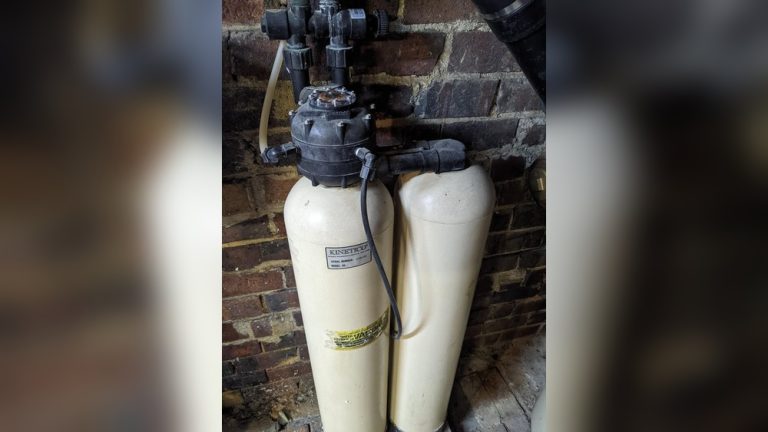

Is your Rheem water softener running low on salt, but you notice it’s not actually using any? This can be frustrating, especially when you rely on soft water every day.
You might be wondering why your system isn’t working as it should and what you can do about it. You’ll discover the common reasons behind this issue and simple steps to fix it. Keep reading to get your water softener back to normal, so you can enjoy soft, clean water without the hassle.
Common Reasons Rheem Softener Skips Salt
Rheem water softeners depend on salt to clean hard water. Sometimes, the system stops using salt. This issue causes water hardness to return. Understanding the common reasons helps fix the problem quickly. Below are some main causes for skipping salt in Rheem softeners.
Salt Bridge Formation
A salt bridge forms when salt hardens inside the tank. This creates a gap between water and salt. The system cannot dissolve salt properly. It causes the softener to skip salt use. Break the salt bridge gently to restore normal function.
Salt Mushing Issues
Salt mushing happens when salt turns into a thick sludge. This sludge blocks water flow inside the tank. The softener fails to use salt during regeneration. Clean the tank to remove mushy salt. Use the right salt type to avoid this issue.
Incorrect Salt Level
Low salt level stops the softener from working well. Too little salt means no salt to use. Too much salt can cause clumping and bridging. Check salt levels regularly. Keep salt between the recommended minimum and maximum marks.
Control Valve Malfunctions
The control valve manages salt usage and water flow. If it malfunctions, the softener may skip salt. Faulty valves need repair or replacement. Test the valve regularly to ensure smooth operation.

Credit: www.reddit.com
Checking Salt And Brine Tank
Checking the salt and brine tank is an important step to fix a Rheem water softener not using salt. This part controls how the salt turns into brine, which softens the water. Problems here can stop the softener from working well.
Simple checks can find issues quickly. These checks include looking at the salt quality, finding salt bridges, and cleaning the brine tank. Each step helps the system work better and last longer.
Inspecting Salt Quality
Good salt is key for a water softener. Old or damp salt clumps together and stops dissolving. Check if the salt looks clean and dry. Use salt made for water softeners. Avoid rock salt, which leaves more debris. Replace salt if it seems hard or dirty.
Clearing Salt Bridges
Salt bridges form when salt hardens into a crust. This crust blocks water from reaching the salt below. Tap the sides of the tank gently with a broom handle. Break the crust carefully without damaging the tank. Remove loose salt pieces from the top. This helps the salt dissolve and work properly.
Cleaning The Brine Tank
Over time, dirt and salt residue build inside the tank. This dirt stops the brine from forming well. Empty the tank and clean it with warm water. Avoid using harsh chemicals. Rinse the tank thoroughly before adding fresh salt. Clean tanks improve softener efficiency and water quality.
Resetting The Water Softener
Resetting your Rheem water softener can fix issues where the unit stops using salt properly. This process helps clear errors and restart the system. A reset often restores normal function quickly. Follow these simple steps to reset your water softener.
Manual Regeneration Process
Start the manual regeneration to clear blockages and reset cycles. Press the regeneration button on the control panel. Hold it for a few seconds until the system starts. This process uses salt to clean the resin beads. It helps the softener work correctly again.
Power Cycle Steps
Turn off the water softener by unplugging it. Wait for about 30 seconds to 1 minute. Plug the unit back in to restart the system. This simple power cycle can clear minor faults. It refreshes the control board and settings.
Factory Reset Procedure
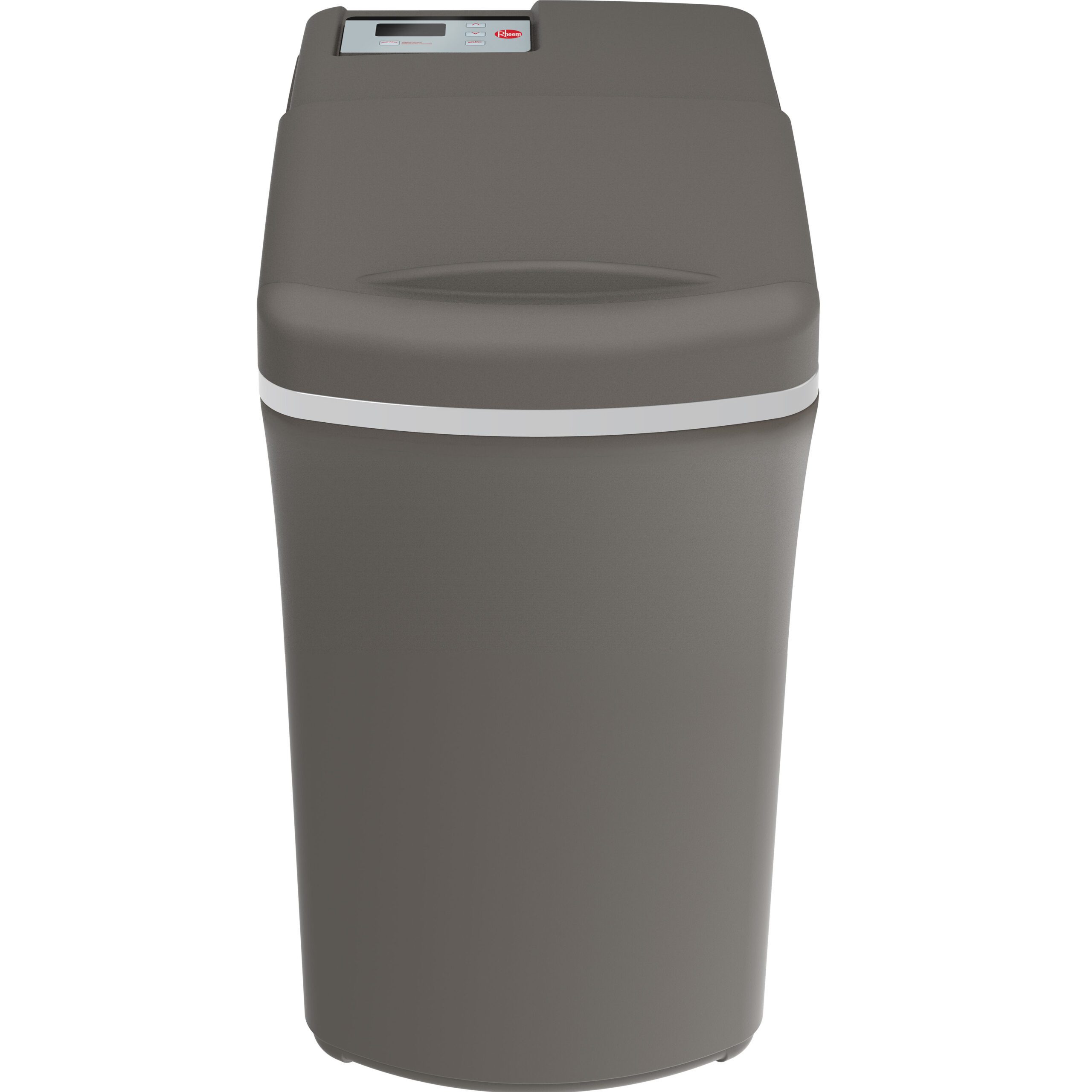
Locate the reset button on the control panel. Press and hold it for 10 seconds or more. The display will show a reset confirmation. Release the button to complete the factory reset. This resets all settings to original defaults. Use this step only if other resets fail.
Credit: www.rheemwatertreatment.com
Maintaining The Control Valve
The control valve is the heart of your Rheem water softener. It controls the flow of water and the regeneration cycle. Proper care of this valve helps the system work well and avoid salt use problems. Regular checks and cleaning keep the valve in good shape.
Cleaning Valve Components
Remove dirt and debris from the valve parts often. Use a soft brush and mild soap to clean. Avoid harsh chemicals that can harm the valve. Clean parts allow smooth water flow and proper salt use. Rinse all components with clean water before reassembling.
Replacing Worn Parts
Check for worn or damaged valve parts regularly. Look for cracks, leaks, or broken seals. Replace these parts with genuine Rheem components. Worn parts cause leaks and stop salt from working properly. Timely replacement helps avoid costly repairs later.
Updating Software (if Applicable)
Some Rheem water softeners have control valves with software. Check for updates to improve performance and fix bugs. Follow Rheem’s instructions to update the software safely. Updated software can fix issues causing salt not to be used. Keep the system’s software current for best results.
When To Call A Professional
Knowing when to call a professional for your Rheem water softener saves time and money. Some problems need expert attention to fix properly. Trying to fix complex issues alone might cause more damage. Professionals have the right tools and knowledge to handle difficult repairs. They also help maintain your system for long-term use.
Identifying Complex Issues
Some problems are not easy to spot or fix. If your water softener stops using salt, it may be due to a faulty valve or a clogged injector. These parts require special tools to diagnose and repair. If basic troubleshooting does not work, calling a professional is wise. They can find hidden problems fast and fix them safely.
Avoiding Further Damage
Trying to repair your water softener without skills can cause leaks or electrical faults. These issues might lead to costly repairs or replacements later. Professionals know how to handle delicate parts carefully. They prevent mistakes that can worsen the problem. Calling an expert early keeps your system safe and working well.
Scheduling Regular Maintenance
Regular check-ups by a professional keep your water softener in top shape. They clean parts, check salt levels, and test system functions. Maintenance helps avoid sudden breakdowns and extends your softener’s life. Set a schedule with a professional to keep your water softener running smoothly year-round.

Credit: www.reddit.com
Frequently Asked Questions
Why Is My Rheem Water Softener Not Using Salt?
Your Rheem water softener may not use salt due to low salt levels, a salt bridge, or a clogged brine line. Check the salt tank for these issues and clean or refill as needed to restore proper salt usage.
How Do I Fix A Salt Bridge In Rheem Softener?
To fix a salt bridge, gently break the hardened salt crust using a broom handle or similar tool. Remove any loose salt and ensure the salt level is adequate. This allows the water softener to properly dissolve salt during regeneration.
Can A Clogged Brine Line Stop Salt Usage?
Yes, a clogged brine line can prevent salt from dissolving properly. Inspect the brine line for blockages and clean it if necessary. A clear brine line ensures efficient salt use and proper water softening.
How Often Should I Add Salt To Rheem Water Softener?
Add salt when the salt level drops below half-full in the brine tank. Typically, refill salt every 6-8 weeks depending on water hardness and usage. Maintaining salt levels ensures consistent softener performance.
Conclusion
A Rheem water softener not using salt needs quick attention. Check the salt level and clean the brine tank regularly. Make sure the salt is the right type and not clogged. Reset the system if it stops working. These steps often fix common problems.
Regular care keeps your water softener working well. Enjoy soft water without hassle. Stay aware and act fast to avoid damage. Simple checks save time and money. Your water softener deserves proper care every day.